TOP 10 “MUST HAVES” FOR KUMANO KODO

Hello and welcome to my LIKETHEHIKE blog.

I’m PJ and I write about the hikes I take, giving you insights, photos, commentary, tips and tools so you can enjoy hiking and embrace the experience.

I’ve just returned from an amazing hiking experience on the Kumano Kodo and I thought I’d share with you my top 10 ‘must haves‘ to hike the Kumano.

So – you want to hike in Japan. You start by doing a bit of research. You google all the things, decide whether you will go through a company or plan it all yourself. You decide what trails you are going to experience, when you’re going and who you’re going with. You book airline tickets, you pay all your money and then the hard bit begins.

WHAT DO YOU TAKE WITH YOU??!

For a good place to start, have a look at my blog “What to Pack for a 10 Day Hike on Kumano Kodo” which I wrote before I went. Happily, I was pretty much on the money with what came with me, however, now I’m back I can, with absolute authority, tell you the top 10 ‘must haves‘ to take with you on your hike in Japan.

Let’s begin the countdown. You’ll be surprised at what came in at #1…

#10 – ANTIHISTAMINES

Seems an odd thing to have on a top 10 list, but I found them invaluable. We hiked through forests, paddocks, villages and up and down mountains – if you have allergies you will react at some point. Also, and this is something I didn’t expect, my hiking partner and sister TB had an allergic reaction to the tatami mats in the ryokan. Tatami mats are made out of woven sea rush and rice straw. After a couple of nights, TB’s eyes looked like she had gone ten rounds with Mike Tyson!


I packed a couple of different types of antihistamine just in case – Nasonex and Zyrtec. They did the trick.

#9 – COFFEE SACHETS

So, we heard through our research, that most ryokans don’t do coffee. And that’s absolutely correct. If they do, it’s not very nice. Definitely no skinny lattes or flat whites on order!

We decided to take some instant coffee sachets with us. And we used them every day. All you need is hot water. Admittedly, if you take your coffee without sugar they might not be ideal, but TB used half a sachet and combined it with a good old Nescafé instant sachet and boom – a halfway decent coffee.
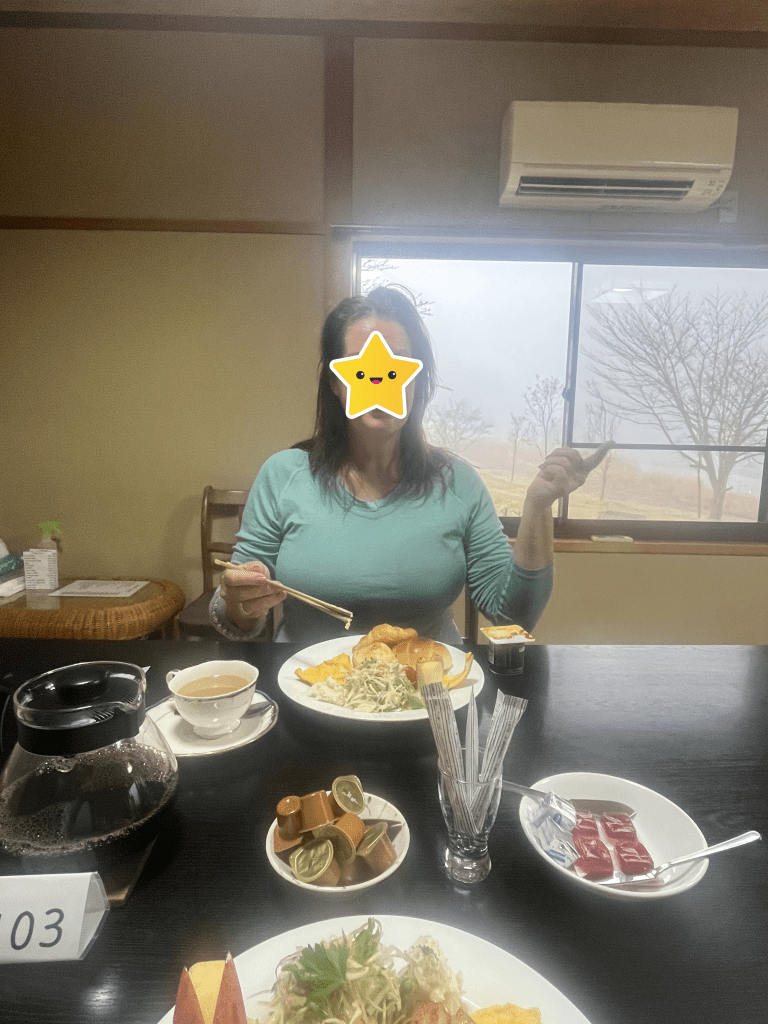

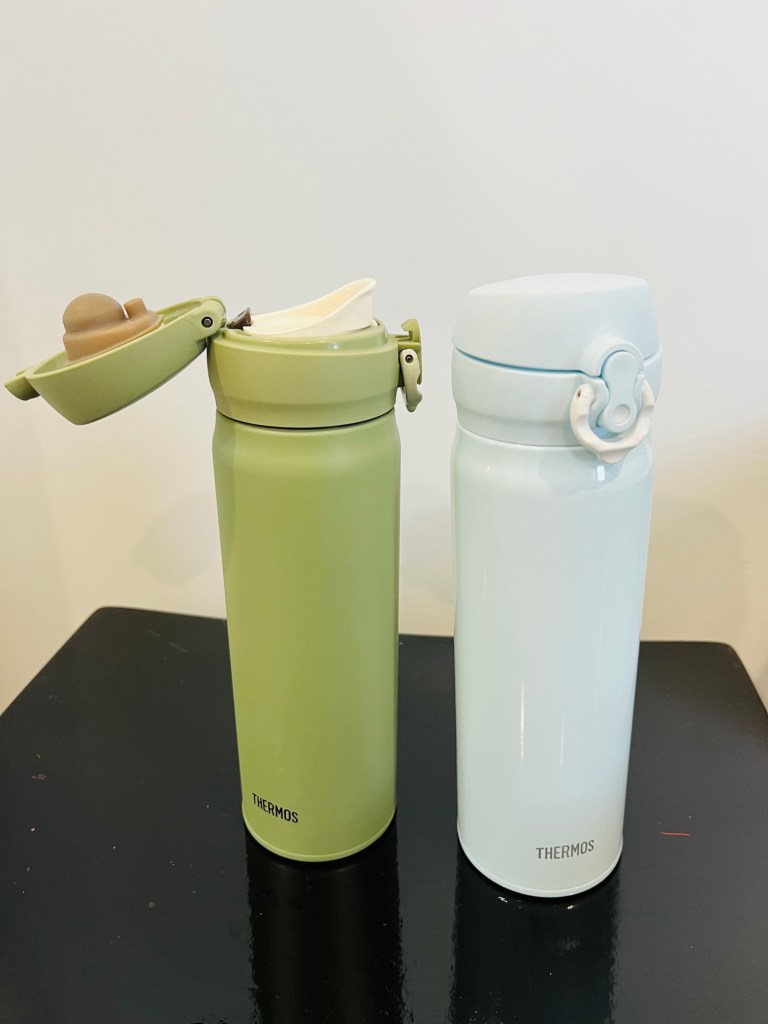
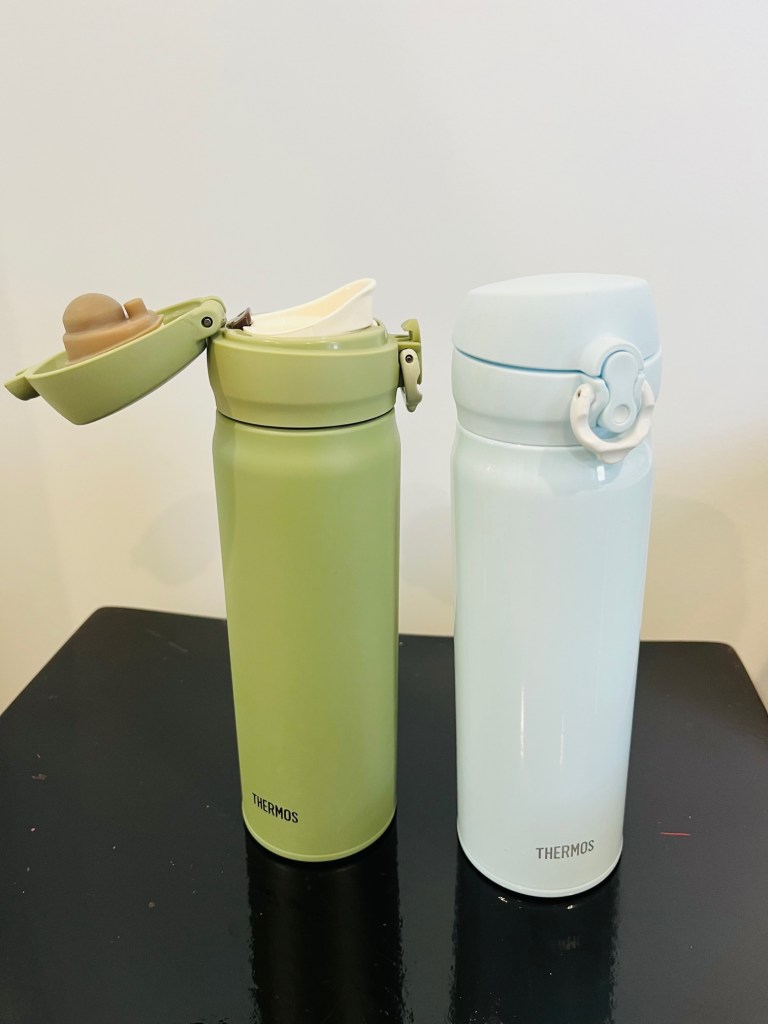
We bought some ridiculously cheap Thermos’s in Tokyo before we started hiking and then used them all around the Kumano – hot coffee for morning tea was just perfect.

#8 – CASH

Seems obvious – right? Of course you take cash on a holiday, but mostly use a travel card, a credit card or apple pay etc….right? WRONG. Local buses all over the Kii Peninsula DON’T TAKE CARDS. The vending machines all along Kumano take cards but may not be secure and the little stores, village shops, and trinket places are pretty much cash only businesses. So not only is cash king, but coins are the king of kings as buses usually take exact change only for fares and Kapan has a 1,000JPY coin. Smart!

I even bought a lovely little coin purse to use because I was taking out my wallet multiple times a day to pay for things as we journeyed along Kumano. I was pleasantly surprised at how affordable Japan was, and we really enjoyed the $2AUD 500ml Asahi cans and the $2.50AUD ‘friend pot’ sakes. We found these two at a tiny grocery store in the middle of nowhere in Koguchi after hiking 25km. Yum!

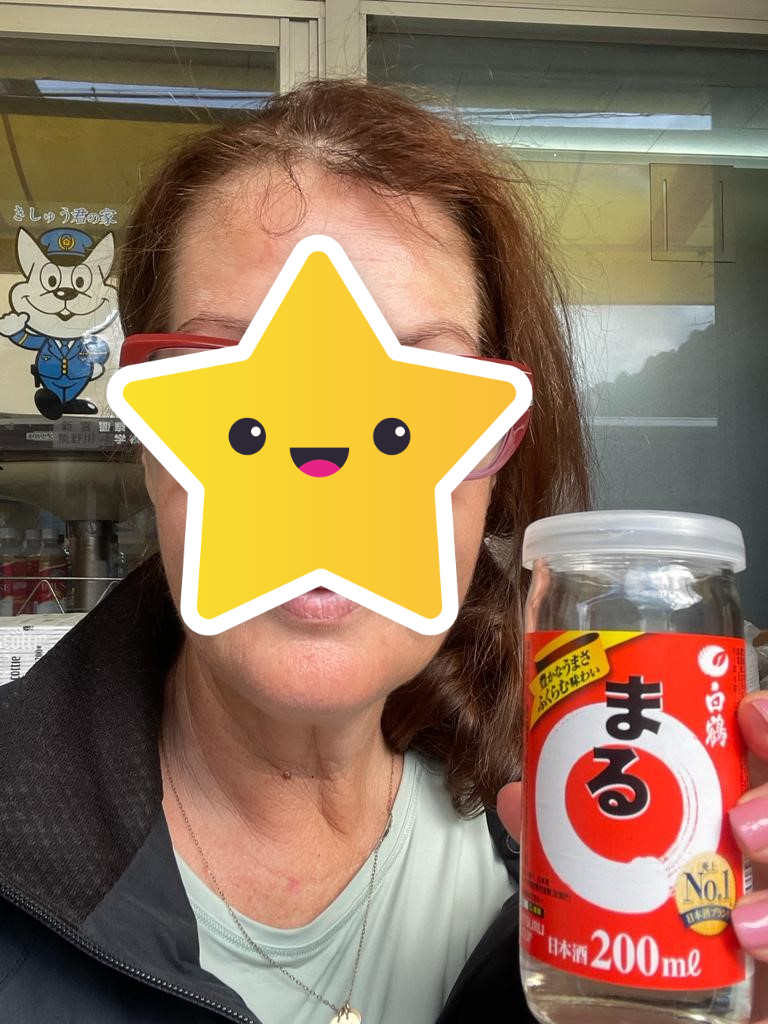
Take a bit more than you think you will need, I allowed $60AUD a day (6,000JPY) and spent my last 4,000JPY at Haneda airport on the way home 🙂

#7 – BLOW UP CAMPING MATTRESS

I know, I know. But hear me out.

Traditional tatami and futon rooms in Japan can be quite firm. My family and I holidayed in Tokyo about four years ago and stayed in a traditional ryokan. The futon was QUITE FIRM.

So, I jumped online and purchased a camping mattress for less than $40. If I used it, happy days, and if not, then I hadn’t spent a fortune.
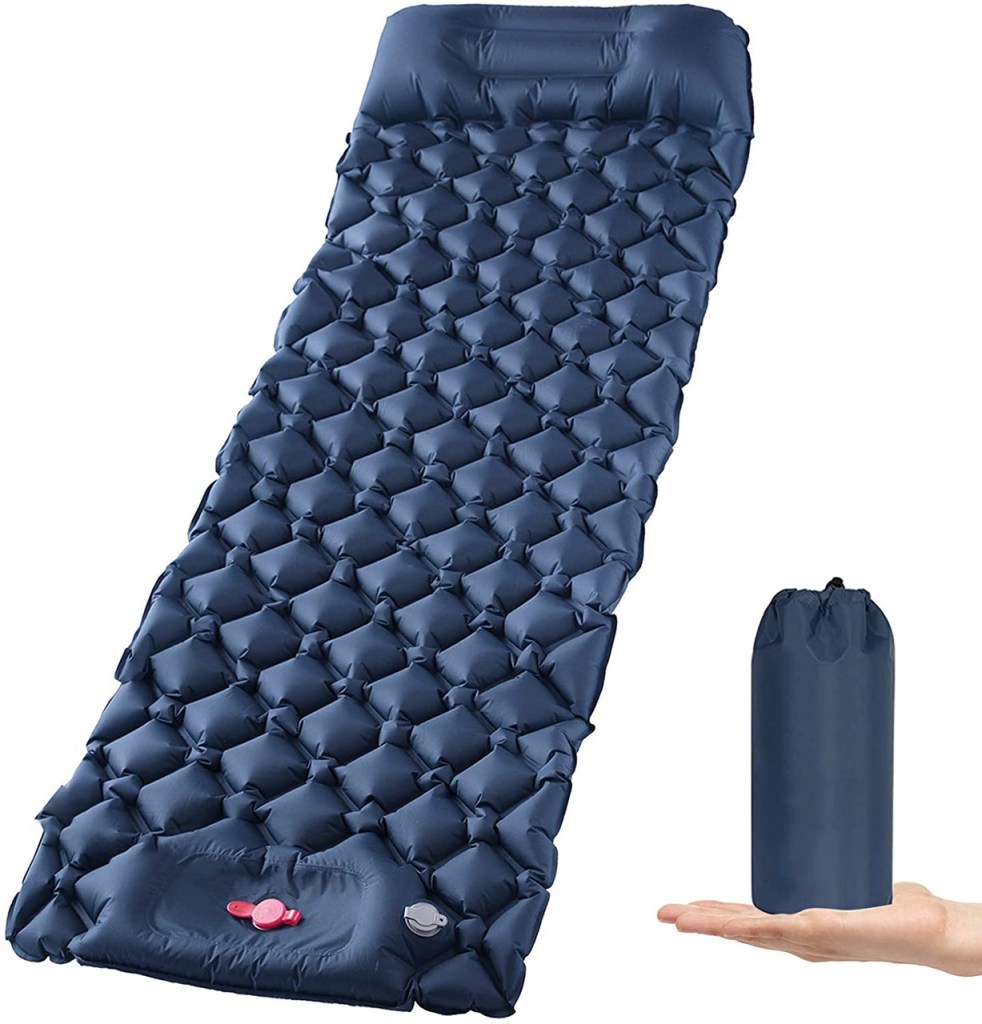
Weighed about 500g and really did pack down to nothing

I used it every night we slept in a tatami room. Yep. Honest.

It had a foot pump, took 3 minutes to inflate and I just slipped it under the futon. It really did make a difference for me and I woke each morning well rested and ready to tackle the day.

#6 – WATER SUPPLEMENTS

I get leg cramps at night, often after prolonged exercise, so it seemed logical to take some form of magnesium with me. TB had a mineral supplement that her son, a competitive tennis player, uses so we took that and added it to our water each day. I had a protein supplement that I also threw in, which enabled to me to keep hydrated as well as fuelled without having to snack constantly.


Both supplements worked really well – no cramps and good recovery each day.

#5 – HYDRATION PACK

Speaking of water, rather than use a water bottle, I decided to use a hydration pack. I have a 3L one that I have used for long hikes like the Gold Coast Kokoda Challenge, and I like the style, easy to clean and easy to drink when moving. The tube sits across my shoulder so I don’t need to twist or take my backpack off to access water. It also means that I tend to drink more as it’s literally right in my face. Win/Win.
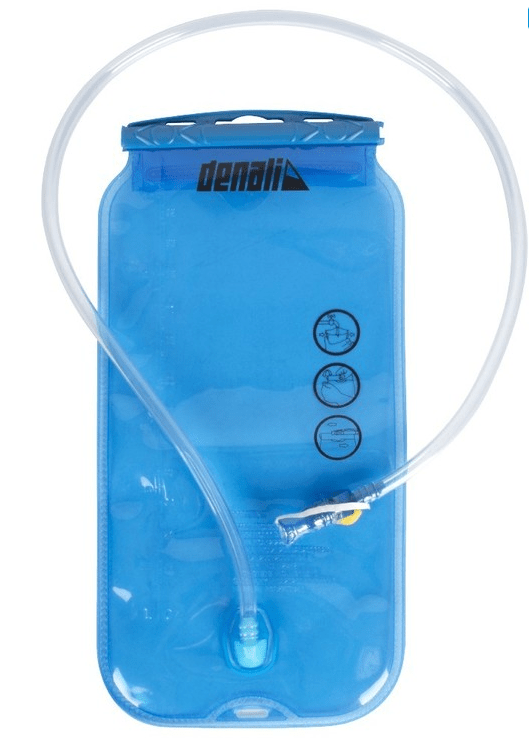
My 3L option, easy to clean and use.

#4 – WATERPROOF RAINCOAT

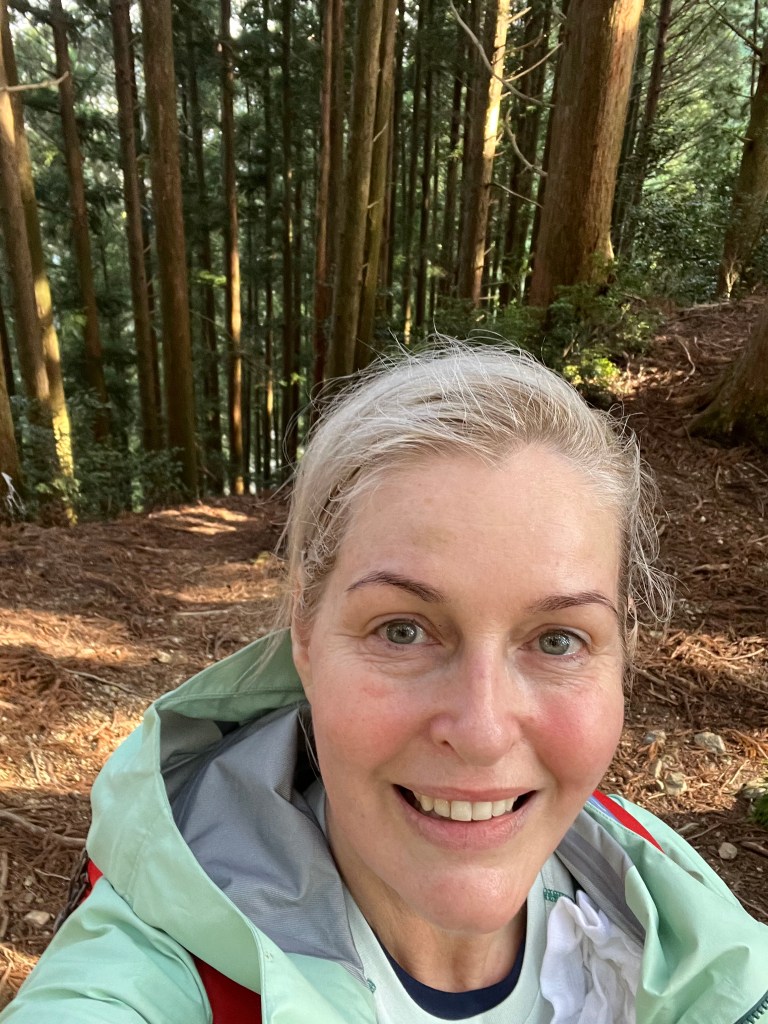
And I do mean waterproof! I spent a lot of time shopping around to find the best possible, highest quality waterproof raincoat in my budget, and finally settled on a Kathmandu Flinders waterproof/windproof/breathable hiking rain jacket. It set me back about $200AUD but the fabric is the equivalent of Gore-Tex so I knew it would stand up. And it did. I wore it every day for warmth and then when the heavens opened for three days I was dry and happy. Fantastic value and wouldn’t hike without it – who doesn’t love a mint green jacket?!

#3 – HIKING BOOTS

Not shoes. Boots.

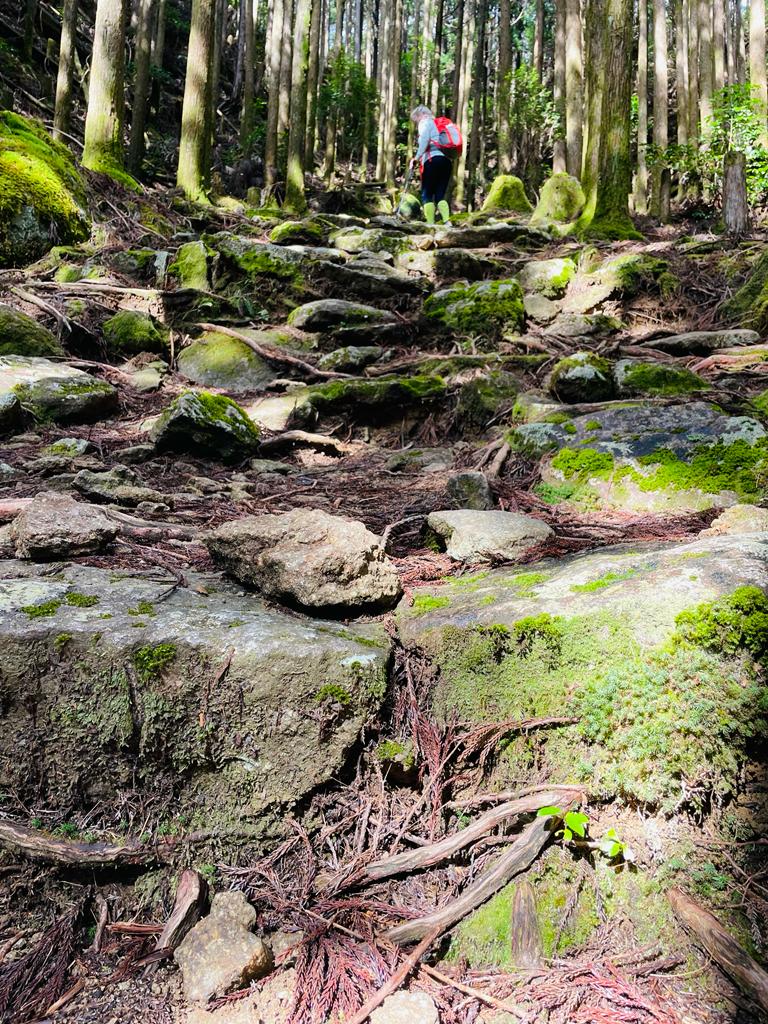
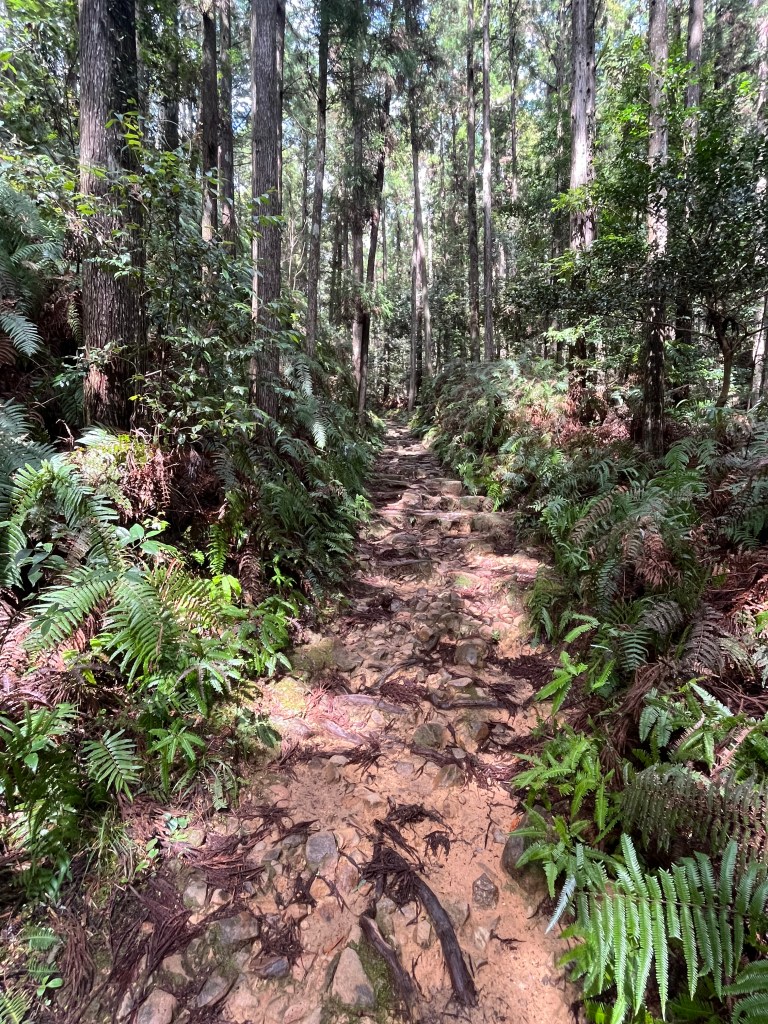
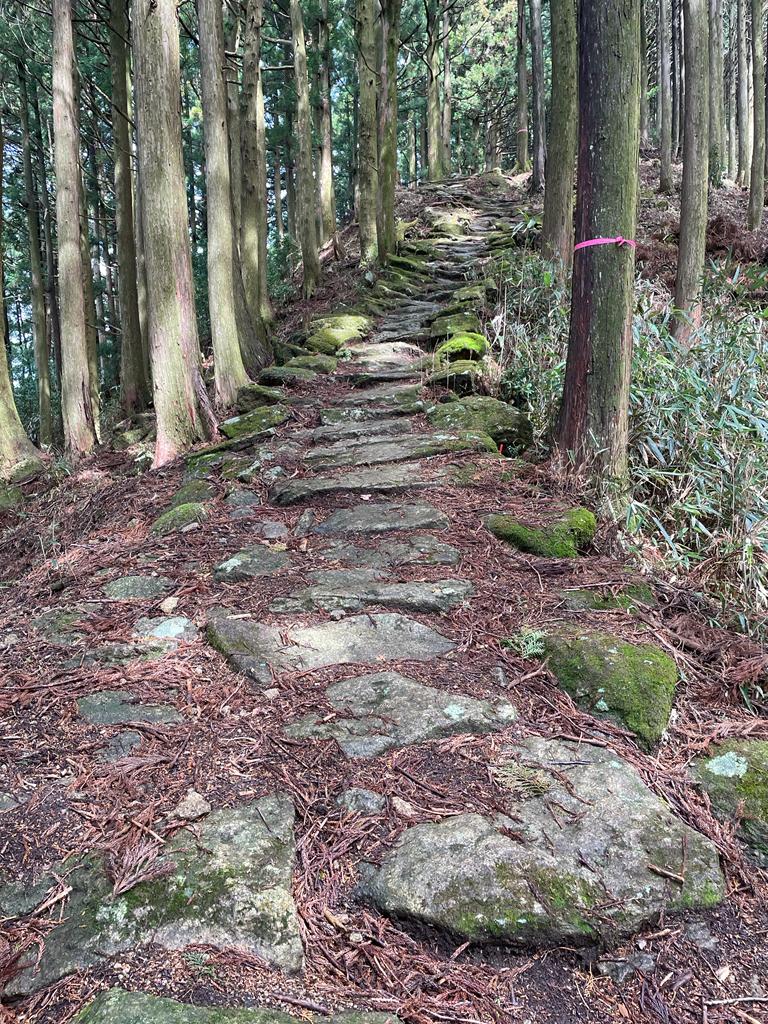
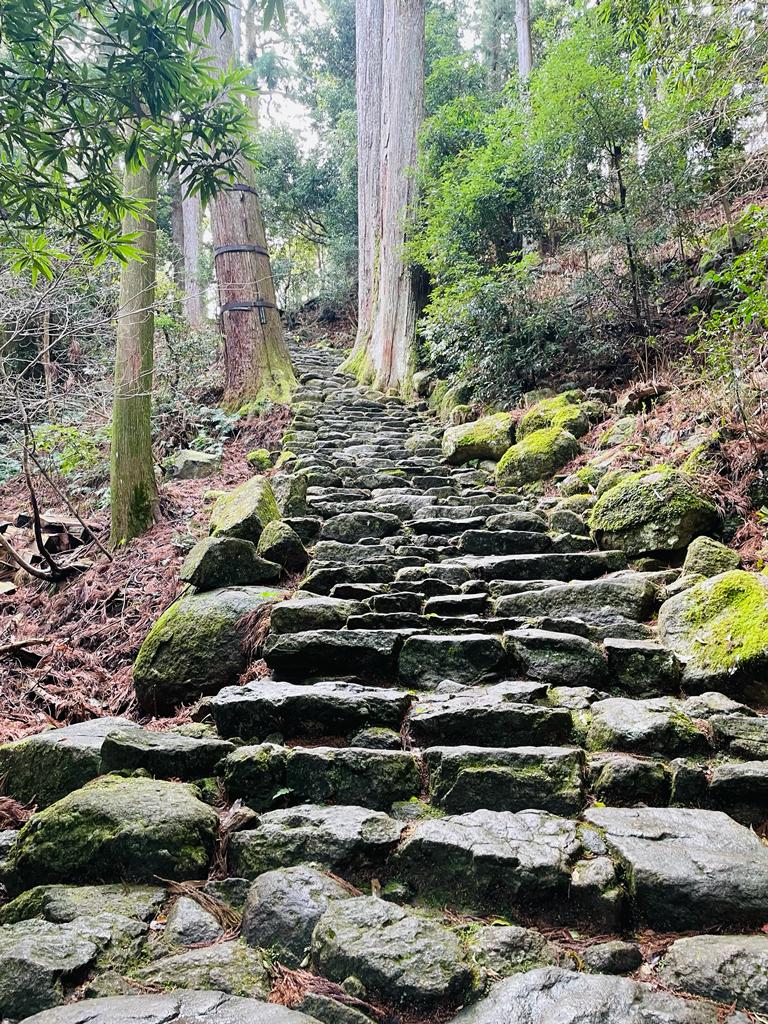
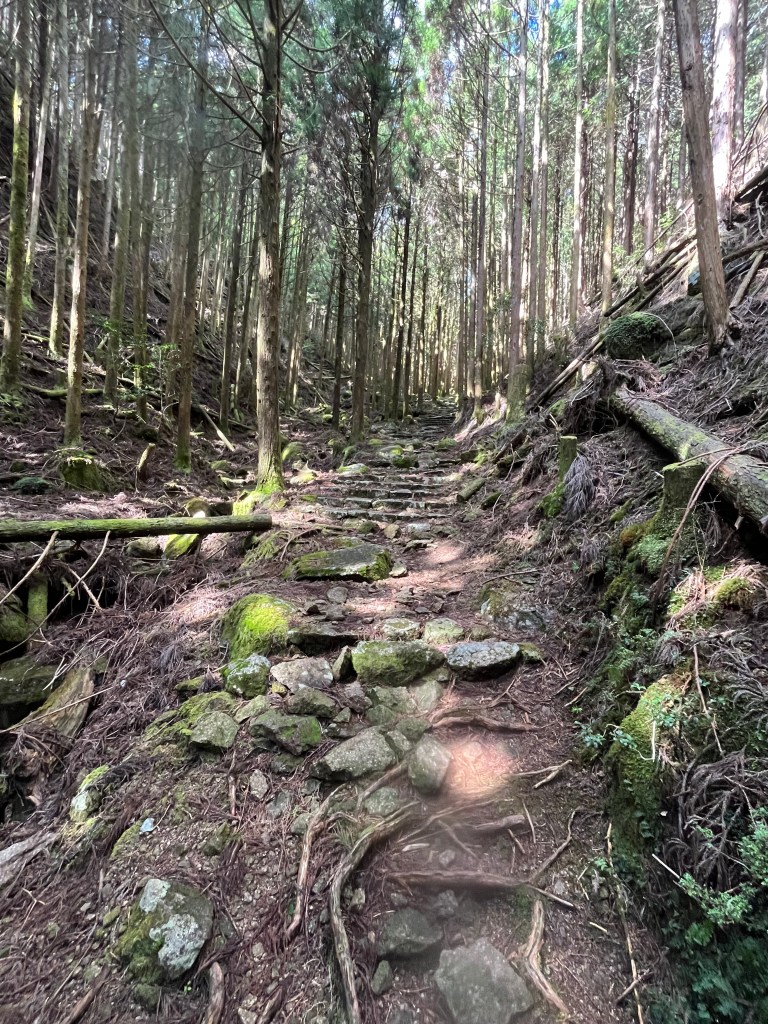
Kumano Kodo is a thousand years old, but that doesn’t mean that it’s a smooth and flat hiking trail. Sections of it are particularly challenging due to the use of large numbers of stones for stairs and paths. It can be slippery and treacherous even without rain. Having decent ankle support made such a difference – I couldn’t even imagine hiking Kumano in a shoe – EEEEEK!

My preference was a Merrell waterproof boot, pictured on the right. Didn’t put a foot wrong (*boomtish*)

My hybrid trail shoes and the faithful hiking boots.

Thankfully there were no spills but there were quite a few near misses, I’m not the most graceful biped at the best of times so firm ankle support was a must.

#2 – HIKING POLES

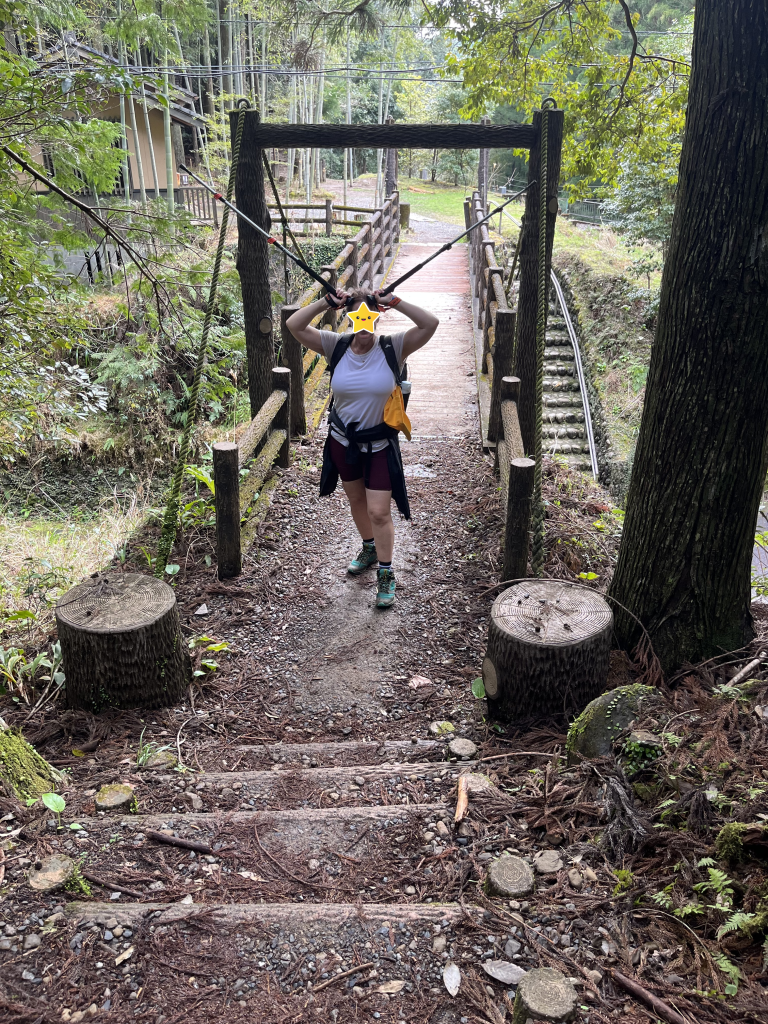
Almost at #1! And yes, poles are right up there with hiking boots. I must have blessed my little hiking poles a thousand times along the Kumano, mainly for downhill support as we traversed some serious mountains. There are two options with downhill. Firstly, you can slip, trip and scoot down, either on your butt or trying not to be. Or, you can use hiking poles to steady and anchor yourself. I found they increased my speed and confidence, and when you’re trying to get off the trails before dusk, they are incredibly handy. I chose collapsible for travel reasons, but it also meant that when they weren’t in use, they simply slotted into my backpack. Simples.

#1 – GLOBAL ROAMING/INTERNATIONAL SIM

Bet you didn’t pick this as #1!!!!

Can I say we would have been lost (literally) without access to Google Maps, Google Translator and a million other apps and ‘things’. Free wifi was great in the ryokans of an evening, but that’s not when we needed to see the ‘things’. We accessed mobile data constantly when out and about. On the trail, at train stations, in the villages, in shops, in Osaka, in Tokyo – everywhere for everything.

Knowing you can look something up gives an immense peace of mind, and when you’re in a new country, not speaking the language and no real knowledge of where you are supposed to be – it’s very reassuring.

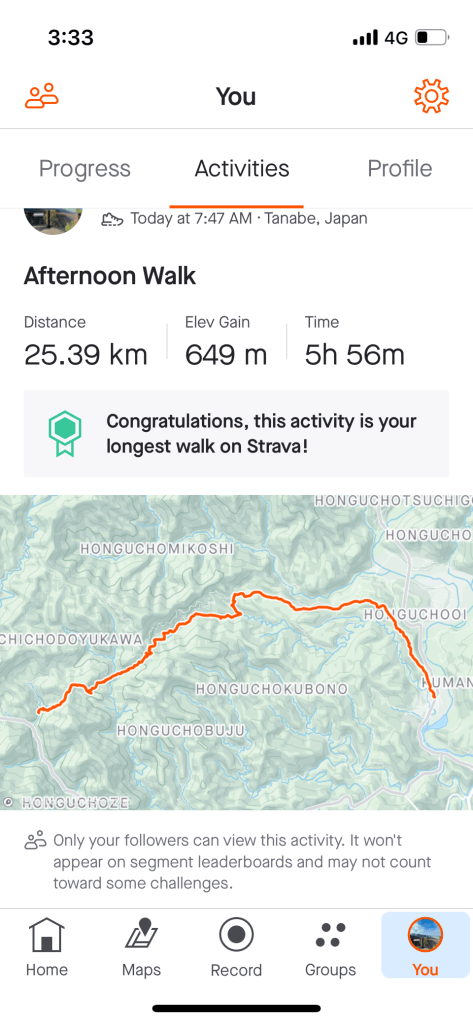
Hiking is all about maps and trails. Getting from point A to point B. Measuring distance and time. Tracking progress and achieving milestones. I loved the fact I could push the Strava button and in 8 hours, I could document my amazing achievement – but all in the background.

Invest in a daily roaming rate or snap up an international SIM deal. I paid $5 a day via Vodafone for my mobile data in Japan and it was money well spent.

So, there you have it.

My top 10 “must haves” when heading to Japan to walk the Kumano Kodo. I hope this helps as you plan, prepare, pack, pay and play!

Stay tuned for my next couple of blogs where I will Rate the Ryokans and Own the Onsens….. 🙂

See you next time out on the trails.

PJ.

HIKING THE KUMANO KODO #4

Hello and welcome to my LIKETHEHIKE blog.

I’m PJ and I write about the hikes I take, giving you insights, photos, commentary, tips and tools so you can enjoy hiking and embrace the experience.

DAY SIX & DAY SEVEN – KOGUCHI TO UKEGAWA, TAKIO TO TOTSUKAWA

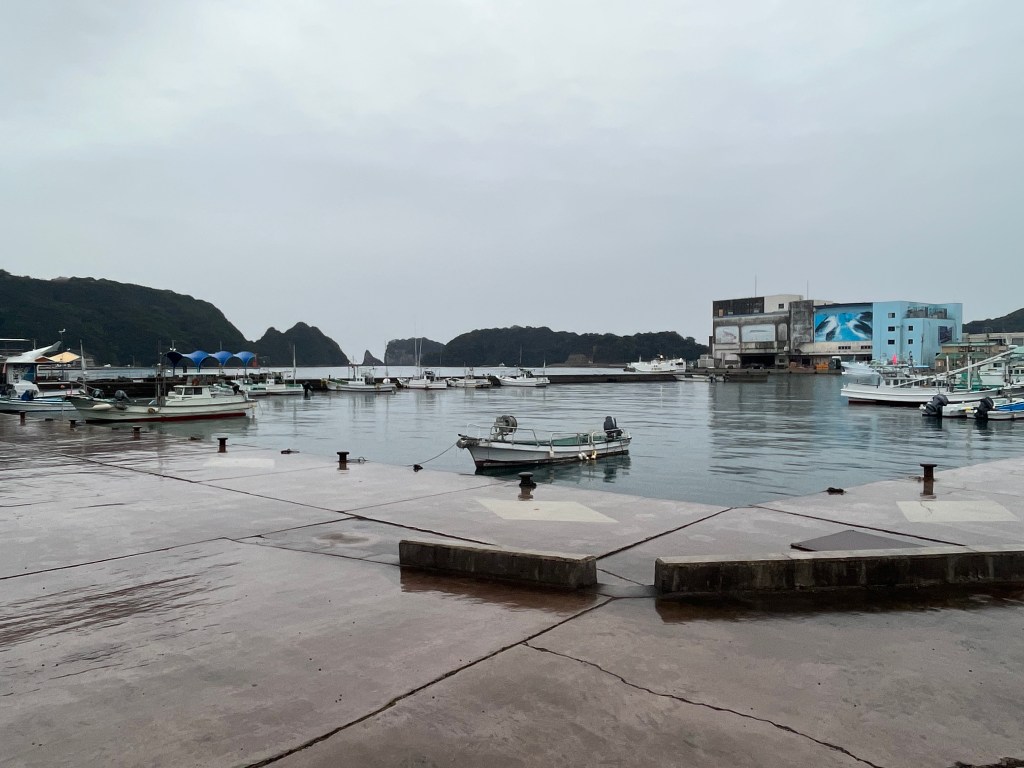
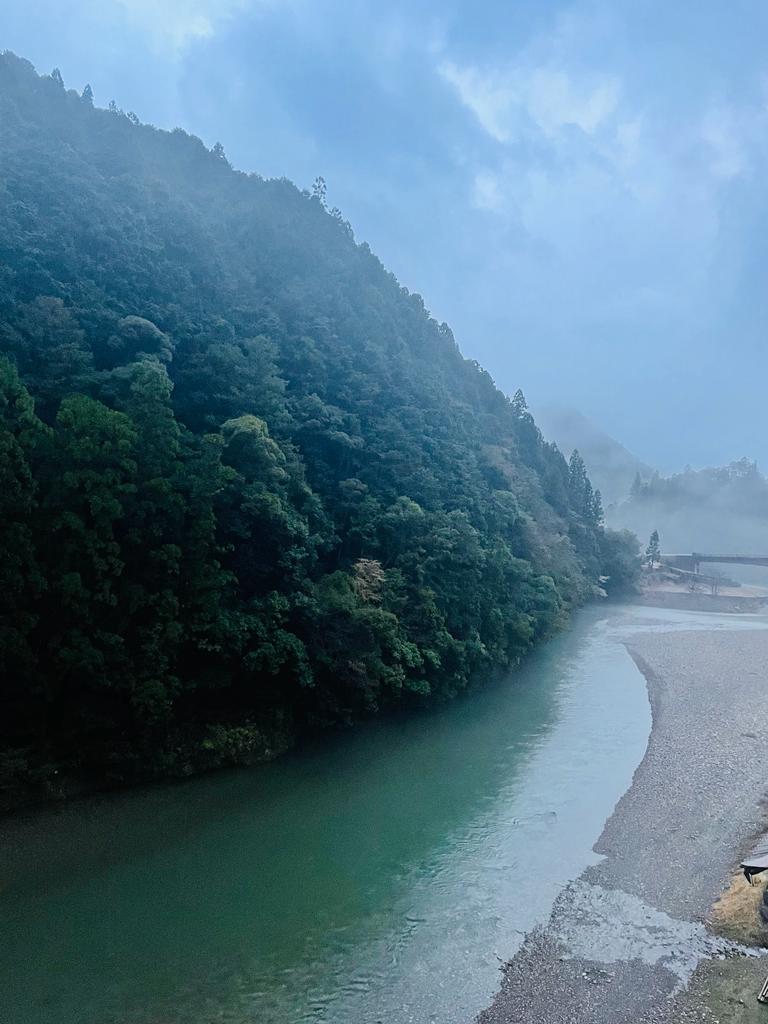
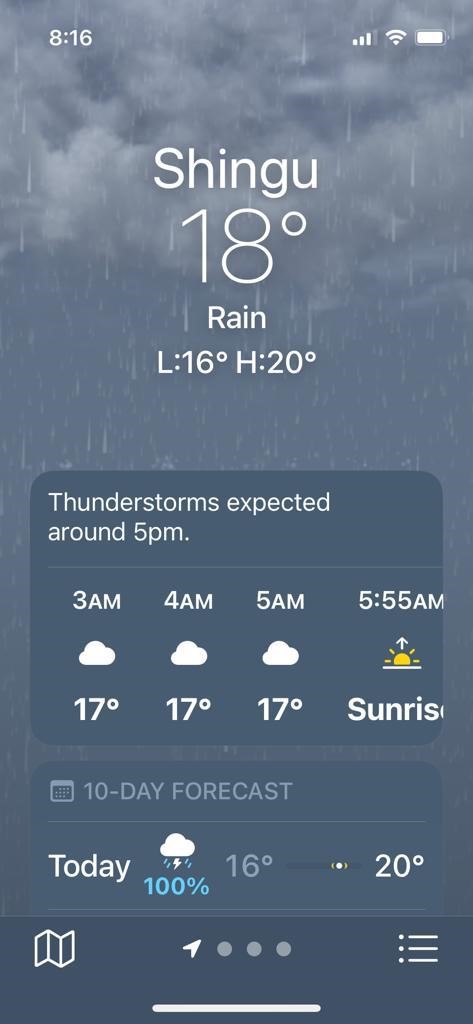
After three days on the trails and a rest day, we were ready for our next adventure. However, the rain gods had other ideas. Overnight the heavens opened and we woke to this.

Not the best forecast for forest hiking

It was forecast to rain for 24-36 hours solid. And it wasn’t a drizzle here or there, it was rain with regular thunderstorms just to spice it up.

TB and I did a hike maybe three years ago in the Gold Coast hinterland called the Warrie Circuit. It’s a 14km loop – 7km down into the forest floor, past some majestic waterfalls and then 7km back up. Usually it’s a lovely hike. Except if its raining. Then it becomes 8 hours of unpleasant, gluggy, muddy hot mess. The enjoyment of the hike disappeared as the day became an injury prevention exercise…

So, hiking the Koguchi to Ukegawa leg in steady rain on an unknown trail, steep terrain and slippery stones didn’t appeal to either of us.

Challenging even on a good day

TIP – KNOW YOUR LIMITS

Everyone has a fair idea of what their body and mind can do on a hike. Pushing beyond those limits can be done when you’re in a safe space and for a short period, however, everyone has a tip point where they feel unsafe or out of control. Knowing when to stop, or not start at all isn’t failing, it’s understanding what you can safely achieve and importantly, what you can enjoy. I prefer to live to fight another day than take unnecessary risks and make life miserable.

Day six turned into a tourist day in Shingu and Kii-Katsuura, ducking the rain and exploring. PS – I was very happy with the waterproof performance of my Kathmandu rain jacket 🙂

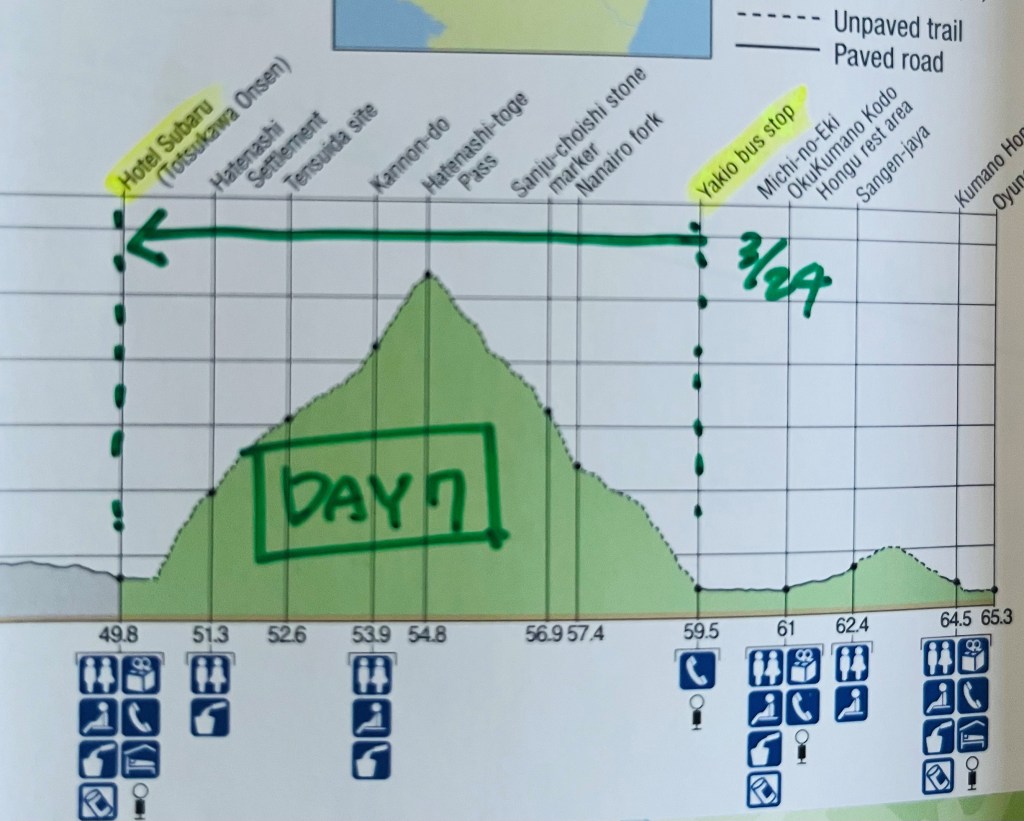
Day seven we awoke to pretty much the same conditions as the day before – rain. It was supposed to clear late morning, but that meant we would need to start on the Yakio to Totsugawa leg in the train and after 36 hours worth of rain had fallen on the trail. The terrain map told quite a scary story……

ummmmm…

So, rather than tackle the above, we decided to hike the Hongu to Fushiogami-oji trail up and back. Less risky but still meaningful. Life is nothing without compromise.

A good outing for a half day.

Kumano Hongu Taisha to Fushiogami-oji and back

As we discovered, tourists take a bus up from Hongu to the shrine at Hosshinmon and then walk back down the mountainside, about 7km. This meant as we walked up, we encountered a number of tourists wandering back down. We got some odd looks, I’m guessing we were the only ones heading up the hill, and the only ones in hiking gear. Good news – the rain had stopped and the skies cleared pretty quickly to a nice day.

We started the hike by climbing the stairs up to the Hongu shrine precinct. I didn’t do a count, but it was a good way to loosen up leg muscles.

The long stone staircase leading to the shrine. Funnily, you keep to the right…not left.

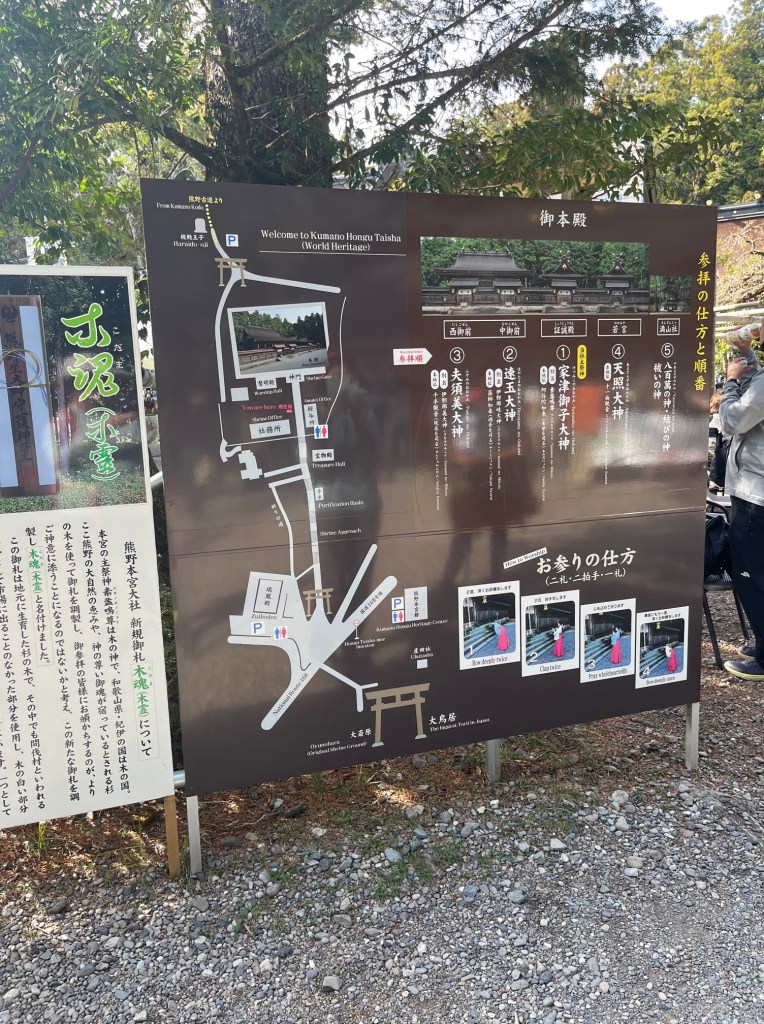
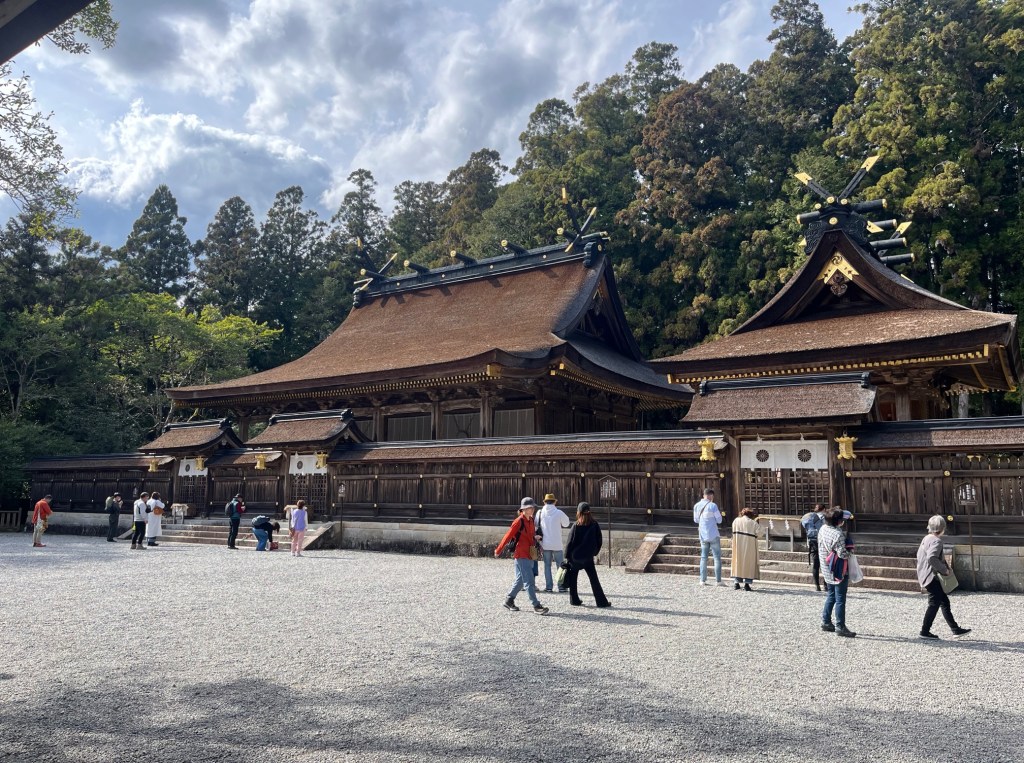
The grounds of the shrine precinct remind me of a bustling little village, with something always happening. There are shops, pilgrims, tour groups, a working post box and then the three main shrine areas. TB and I actually got to pray at the shrine, I was terrified I would get the order of “clap and bow” wrong – but it all worked out OK. Whew.

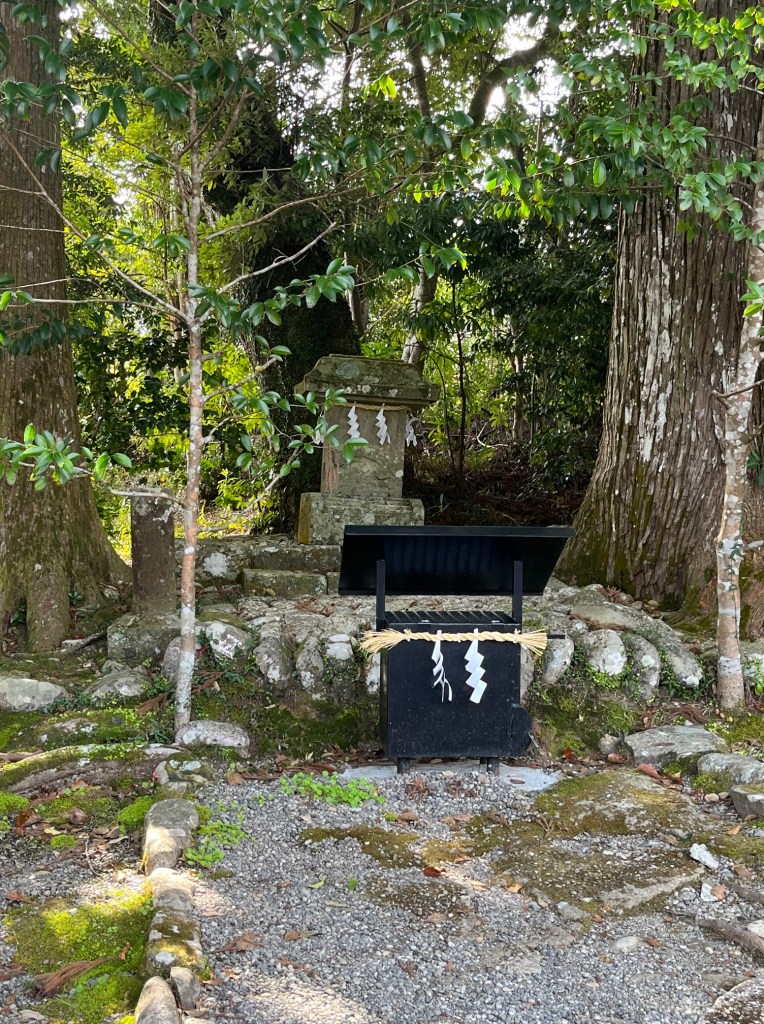
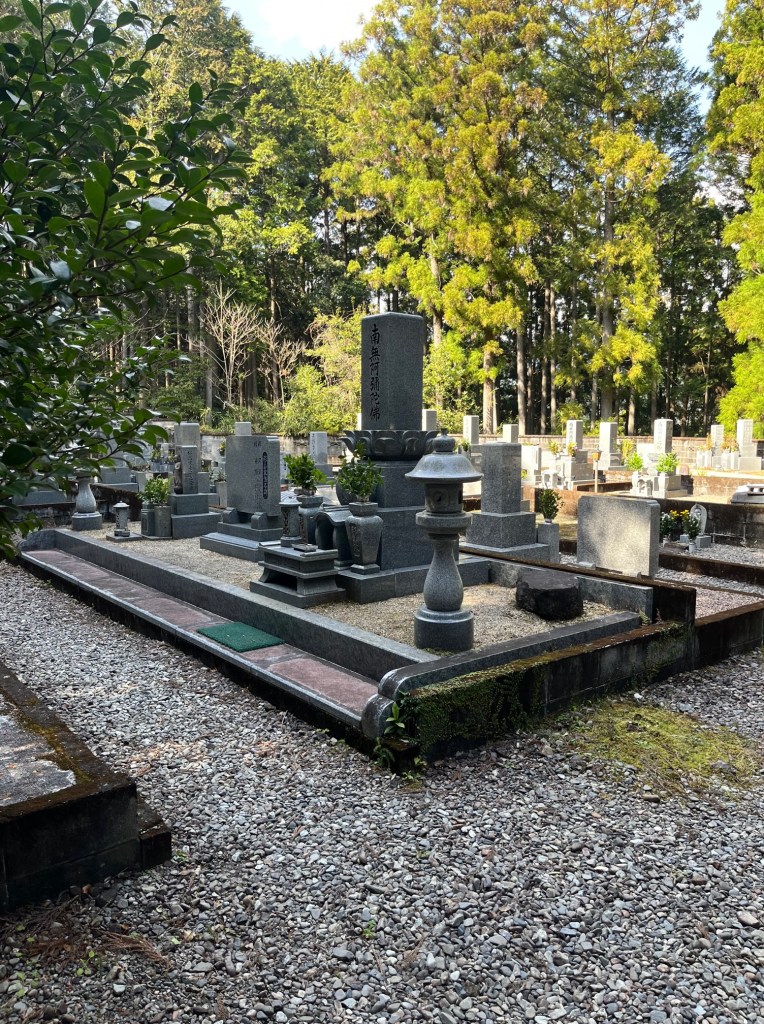
The trail picks up on the street at the ‘back’ of the shrine precinct. It’s easy to find, just walk ‘upstream’ through the tourists! A stone staircase takes you up to the start of the forest, past a lovely little shrine and a small, peaceful cemetery with beautiful traditional headstones.

The rain had stopped, but the trail heading up the mountain was still pretty soggy with the wide steps forming little swimming pools. Not sure how the tourists in sneakers were managing coming down, I’m guessing there were some wet feet!

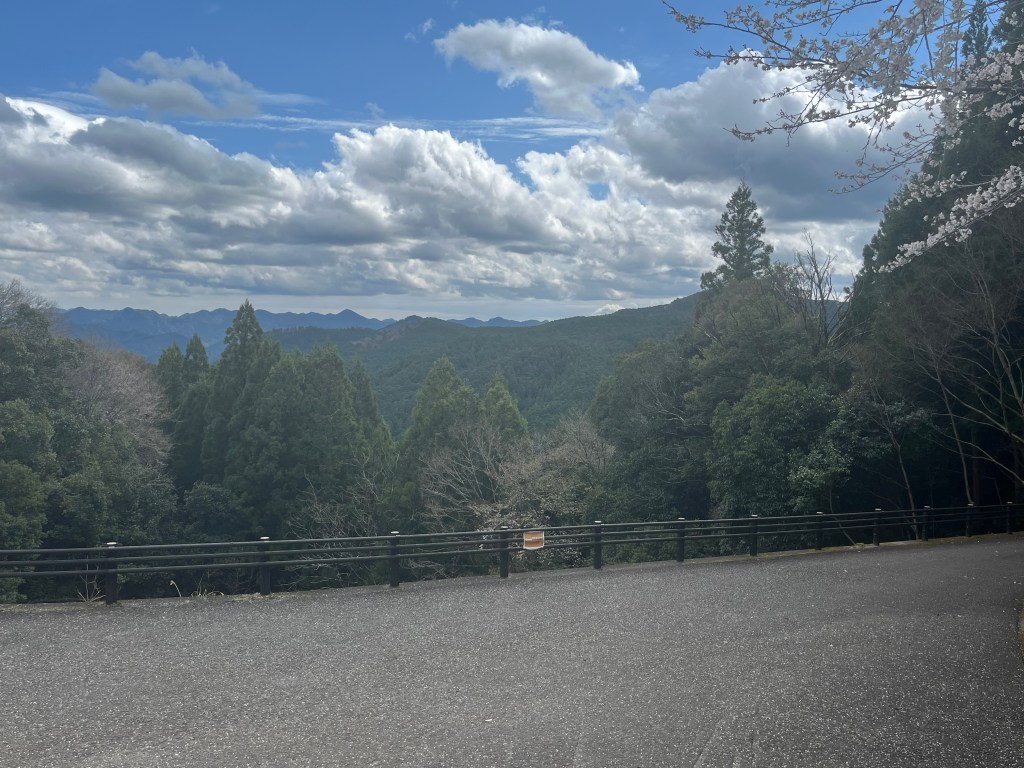
About 1.5km up the trail, there was a loop deviation up to a viewing area where we decided to have a coffee. It gave us a majestic view of the Oyunohara O-torii, the largest torii shrine gate in the world at 34m tall and 42m wide. We had seen it up close earlier in the week – pretty impressive.

TB and I had a bit of fun on the hike taking lots of photos. We passed a rest pavilion adjacent to the Sangen-jaya Teahouse Remains and crossed a cute bridge to get over the road. So many things to look at – and we got to see them going up and coming back down!

We arrived at our destination around 1pm, and we had our bento box from our ryokan so it seemed only logical to sit, look at the view and eat.

The teahouse was shut so no ‘forest juice’ to be purchased, but we could still sit and relax. The seating area overlooked a small tea plantation, and it was during lunch that we noticed that the bushes were ‘moving’, as if there was a wind blowing, but it was a still day.

It was then that we saw them. MONKEYS!!!!!!!!!!!!!!!!!!!!

About the size of a golden retriever, and brown in colour. Once you saw one, you started to see them everywhere. There was a troop of about 30 monkeys in the plantation and in the surrounding trees. What a treat!

After a very entertaining lunch break, we retraced our steps back down the mountain to Hongu.

It certainly wasn’t a long hike compared to what we had achieved overall on Kumano Kodo, but it certainly was an enjoyable one. There and back was about 10km and well worth it.

This was our last hike on the Kumano, as we were heading further into the mountains to stay at Koyasan and explore for a couple of days, and then back to Tokyo and Australia.

MY THOUGHTS ON KUMANO KODO

Taking time out from my life to hike in a forest wasn’t a lifelong goal, but as you get older, priorities shift and hiking in Japan became something that TB and I wanted to do together.

With families and jobs, going away for 10 days would be a challenge, and there is never a good time – but we found a slot that worked and went for it. And I’m so pleased we did.

Look at what we hiked…AMAZING!! All of this!!!

This experience was one in a million. It allowed me to relax and breathe. It allowed me to think just of myself and my needs. It allowed me to smile and laugh. A lot. It allowed me to embrace physical challenges and see what I could really do. It allowed me to dip into a different culture and experience some amazing hospitality.

And finally, after over 30 years it allowed me to travel and holiday with my sister. For the first time.

Pretty special huh… 🙂

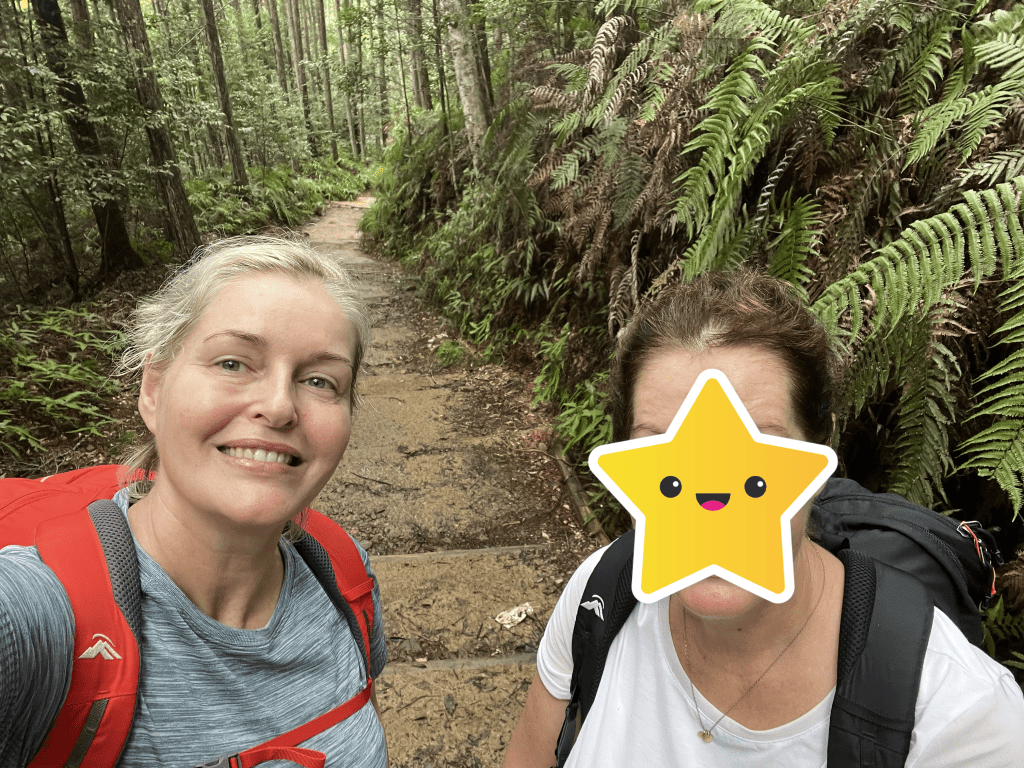
PJ and TB – boots on and ready for an adventure!

I got to walk along paths that are over one thousand years old, through remote villages that housed people six hundred years ago. I got to touch shrines that have been touched by generations and generations of pilgrims. I got to smell the forests, feel the rain and see some amazing things.

I returned home refreshed and energised, looking forward to my next hiking adventure. What better accolade could there be than wanting to do it all again ?!

Thanks Kumano Kodo for an incredible experience.

See you out on the trails.

PJ

HIKING THE KUMANO KODO #3

Hello and welcome to my LIKETHEHIKE blog.

I’m PJ and I write about the hikes I take, giving you insights, photos, commentary, tips and tools so you can enjoy hiking and embrace the experience.

TB and I are back – day three of hiking Kumano….and it’s still bloody FANTASTIC!

DAY THREE – KUMANO NACHI TAISHA TO KOGUCHI

After a non-hiking day exploring Shingu and the seaside town of Kii-Katsuura, TB and I were ready to hit the trails. Today was going to be a challenging day – hiking Ogumotori-goe in reverse.

More ups and downs than a rollercoaster!

FIRST LEG – KII-KATSUURA TO KUMANO NACHI-TAISHA

However, before we got onto the trail, we needed to get from Kii-Katsuura on the coast, up to Kumano Nachi Taisha. Our travel company advised that there was no accommodation at Nachi, so we stayed down in Kii-Katsuura which was amazing – except for the timing when we left on day five or our trip.

Breakfast didn’t commence until 7.30am (and we needed brekkie!), and we also had to buy some lunch in town, and then catch the 8.25 bus. This got us to Nachisan around 9am.

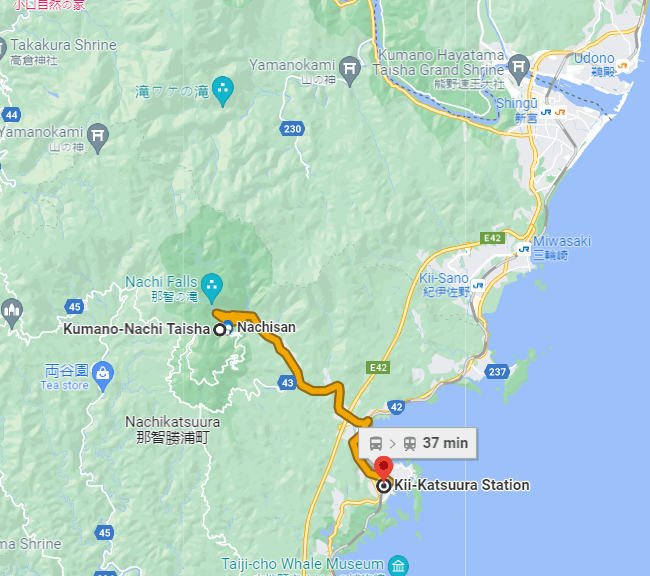
The bus trip was quite spectacular. We followed Nachi River up into the foothills, wound our way up to and past the famous Seigantoji pagoda and the Nachi no Taki waterfall.

We jumped off the bus at Nachisan, and it was at this point we got a little confused. We walked back down through the village to have a look at the shrine and torii – and peeked at the waterfall – but really struggled to find the start of the trail. Up the hill there were a number of buildings and shrines and we could see that the trail started somewhere there, but DO YOU THINK WE COULD FIND IT???!

It was like playing Where’s Wally…..

Time was ticking and I was getting nervous about actually getting started. We had 15km to hike and the terrain looked quite challenging. There weren’t any other hikers around (we were doing the section in reverse) so there wasn’t a stream of people to follow.

Via a process of elimination and toilet spotting, TB and I FINALLY found the stone staircase trailhead adjacent to the second building, right at the top around 10am. We were off! Albeit late, but we were determined to make it work.

SECOND LEG – KUMANO NACHI TAISHA TO FUNAMI-JAYA TEAHOUSE REMAINS

We knew from the outset that this would be a challenging hike – but one we were looking forward to. Ogumotori-goe is described by the Tanabe Tourism Bureau as “one of the toughest sections of the Nakahechi Route…a climb and descent over three passes and is mostly in forested mountains”. The total elevation gain is 1,260m and loss is 930m so lots of ups and downs.

Admittedly, hiking north from Nachisan to Koguchi would appear to be the more strategic choice given the terrain (no flies on me!) but it’s still a decent cardio commitment.

The first 2km took us through the start of the trail – and up some beautiful stone stairs which seemed to stretch forever. It was a good opportunity to engage my ‘mindful hiking’ mode, and put the drama of our late start behind me.

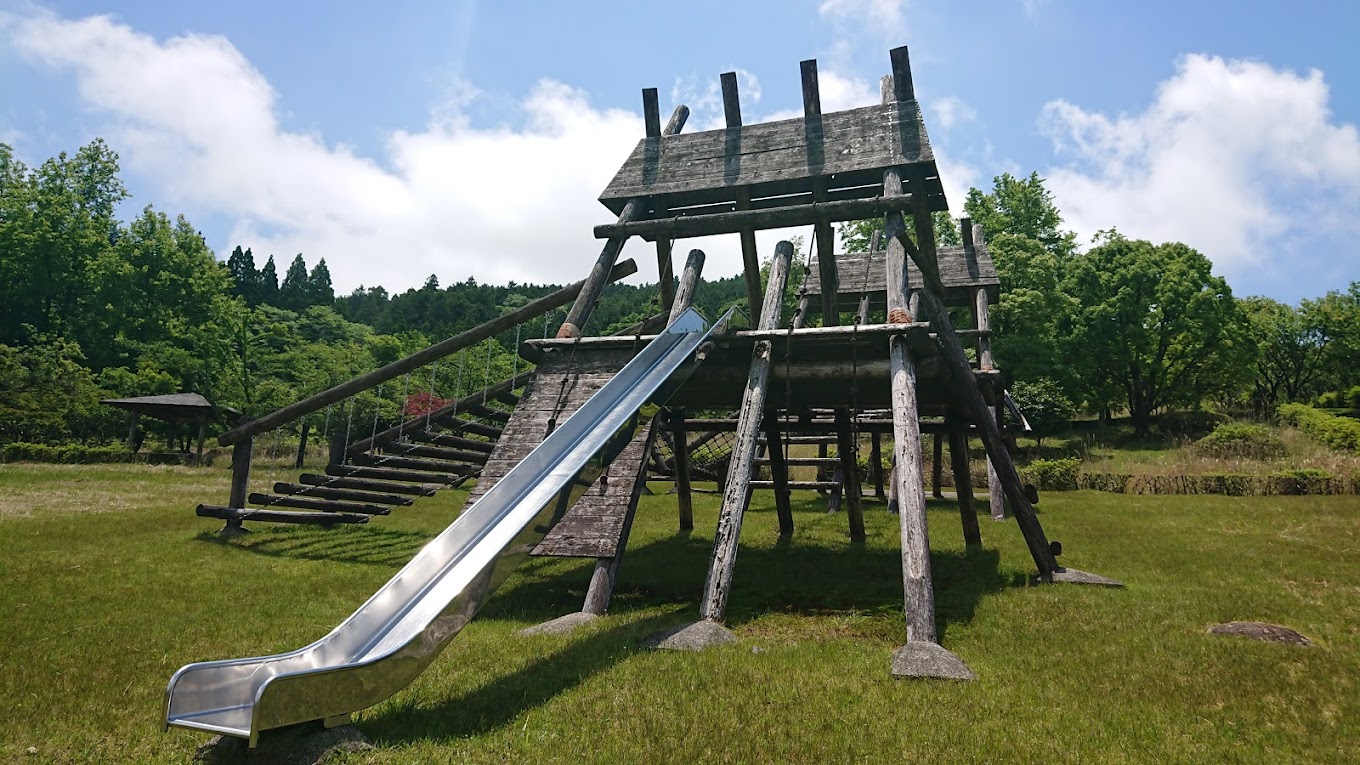
About a km along the trail we entered Nachi Kogen Park – which was a bit of a surprise. It’s an outdoor family adventure park with slides, climbing equipment and other outdoorsy entertainment, and the Kumano trail went up and through it…

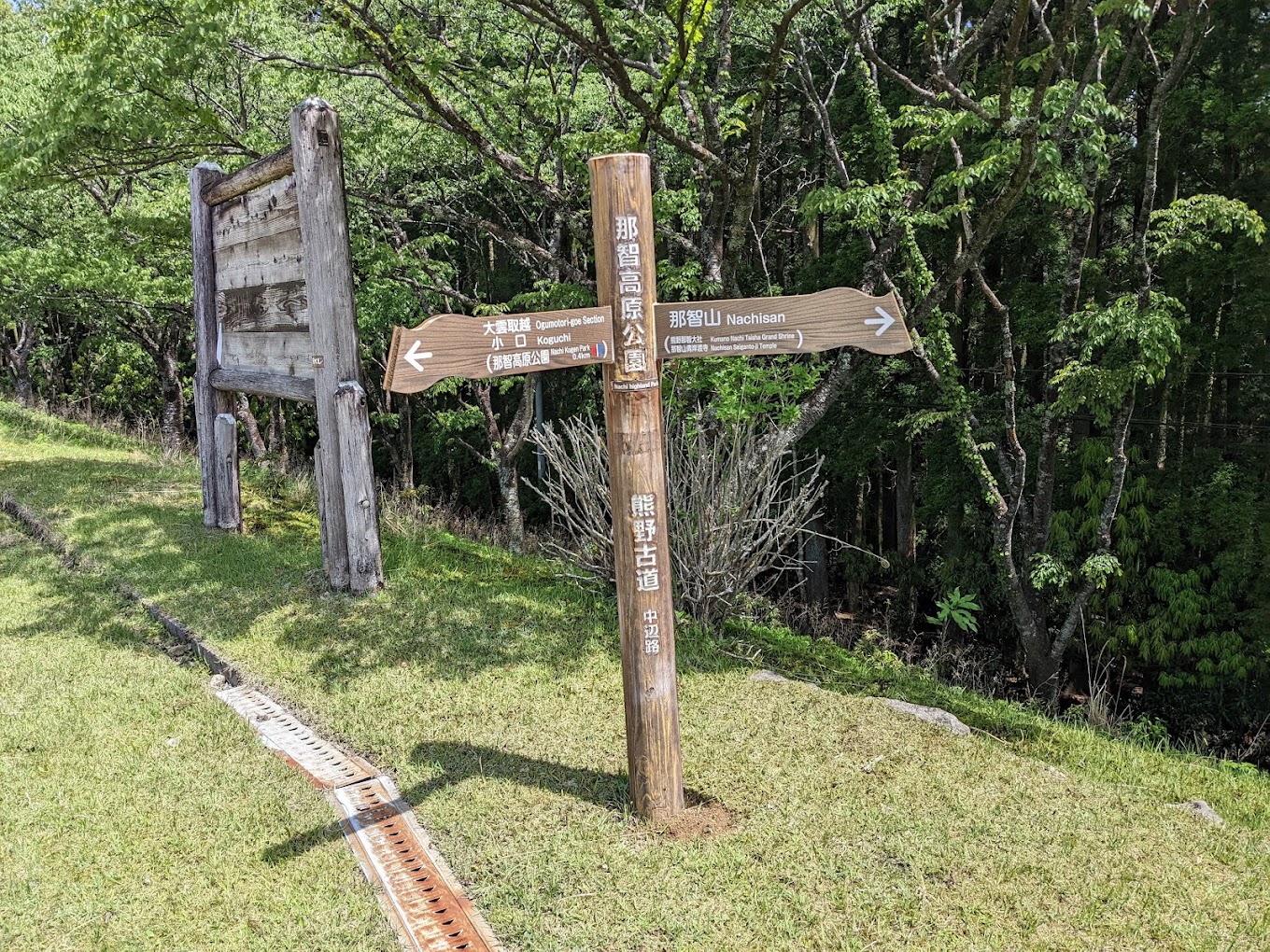
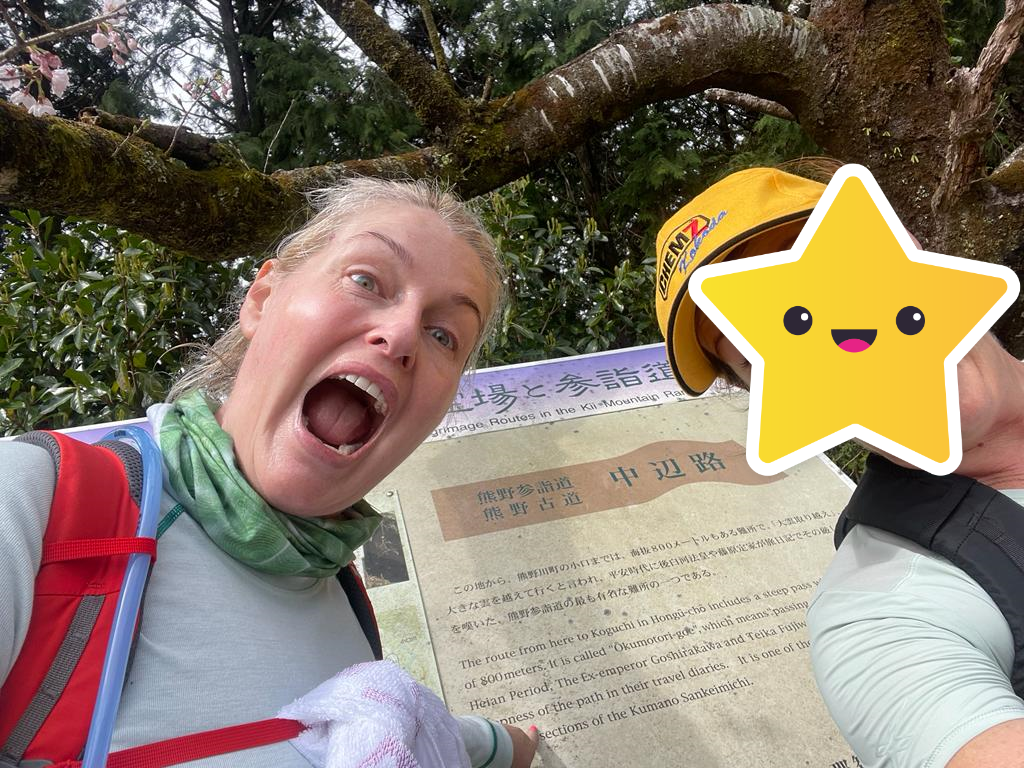
We followed the signs and kept walking up and through the park, which was completely deserted. At the crest of the hill was an access road, and on the other side, the trail running into the forest. It was here that we encountered ‘the sign’. Even the emperors from centuries ago recorded the steepness and challenge of the three passes which make up the Ogumotori-goe…!

our collective horror at the warning sign!

And then the climb began. I settled into a slow but steady uphill rhythm which proved to be handy as the sections weren’t ultra-steep, but they just kept going. The trails still had morning dampness on them, so quite pleased were were going uphill, not down. Our signage was a little different also, gone were the brown wood posts, we now had stone markers.

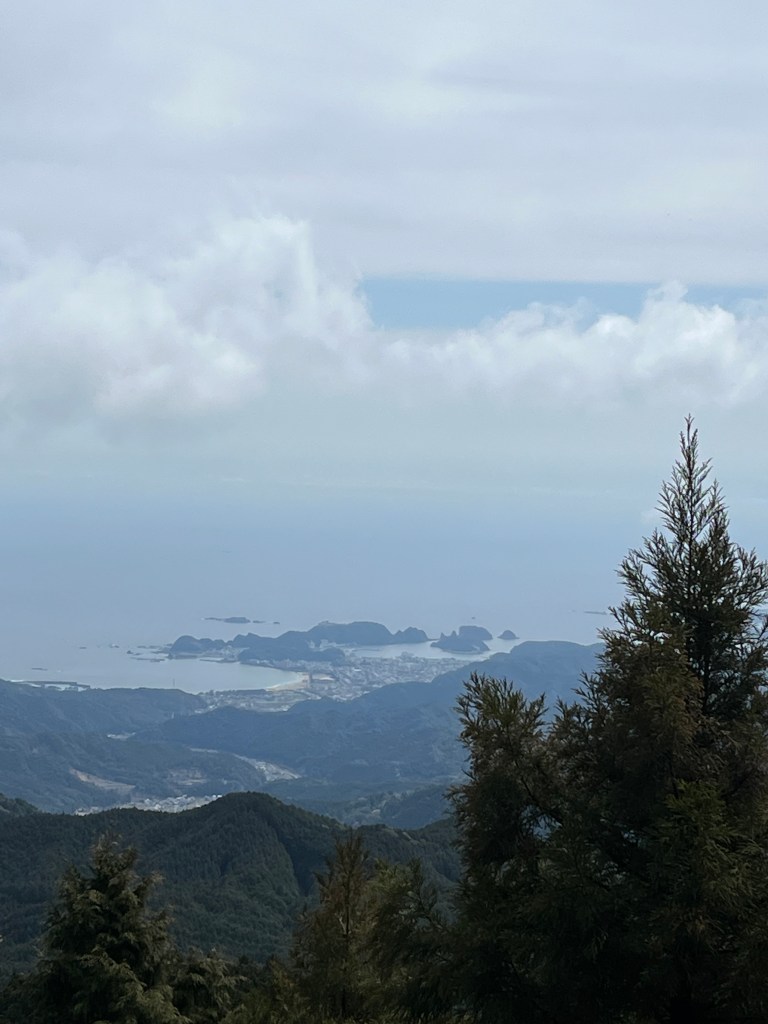
After about 90 minutes we arrived at our first stop – Funami-toge Pass, where the teahouse remains were. We figured this would be a good place to have a 15 minute break, drink some coffee and regroup after a hectic and delayed start to the day. And we weren’t wrong – check out the view all the way our to the Pacific Ocean!

As with the previous days, we had the trail completely to ourselves….and hadn’t bumped into any other hikers so far. This allowed us to really embrace the trail experience and soak up all that the Kumano Kodo had to offer.

THIRD LEG – FUNAMI-JAYA TEAHOUSE REMAINS TO JIZO-JAYA TEAHOUSE REMAINS

Feeling well fortified after hot coffee and some lovely snacks, courtesy of a Katsuura supermarket spree, TB and I departed Funami-jaya. We had climbed over 500m in the last 4km so quite an energetic hike so far.

As we hiked deeper into the forest, the temperature dropped, not significantly but still noticeable. The forest canopy was high, but thick and kept the light at bay, so it felt like we were traversing an alternate universe as honoured guests. Every second step we found new things to marvel at – and of course I kept forgetting to take photos – but did take some…

This leg kept us quite high on the pass, and it was about midday when we passed our first hikers heading in the other direction. I was keen to find out what time they set off, and to assuage my fears that we were in trouble time wise! I chatted with a couple of them, and they had covered off their section in about 4-5 hours, so that was good news for us. We hoped to be off the trail by dusk.

We emerged from the forest and onto an asphalt access road which promised to take us down to our lunch destination, the Jizo-jaya Teahouse. We encountered another ‘elastic’ distance marker which showed the teahouse was 1.5km down the road. It took us 45 minutes at a fast trot to get there….which means it was more like 3-4km!

Lunchtime – yay!

The teahouse shelter was a great location by the river and had two completely full vending machines with all manner of drinks, hot and cold. The toilets were lovely and clean, our lunch was oishii – what more do you need on a hike 🙂

FOURTH LEG – JIZO-JAYA TEAHOUSE TO KOGUCHI

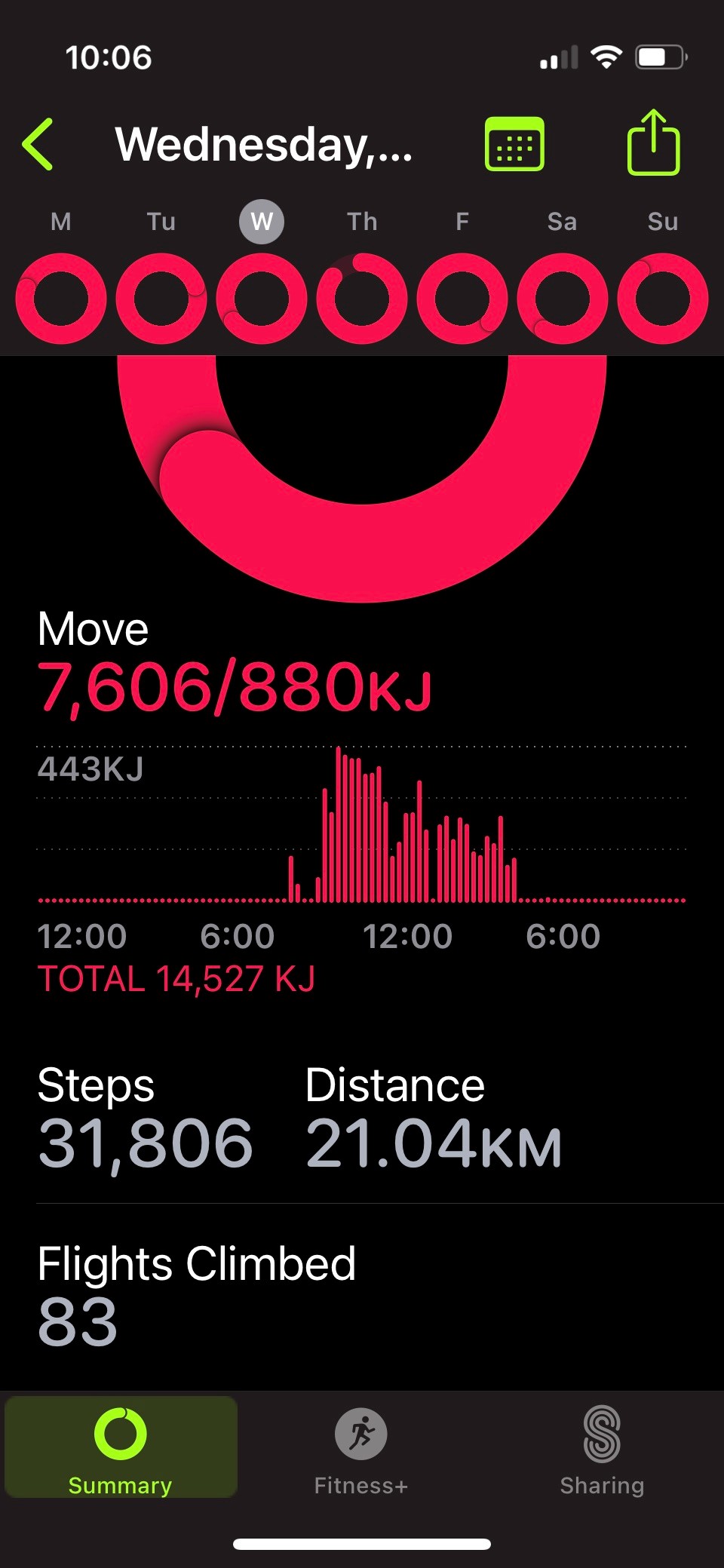
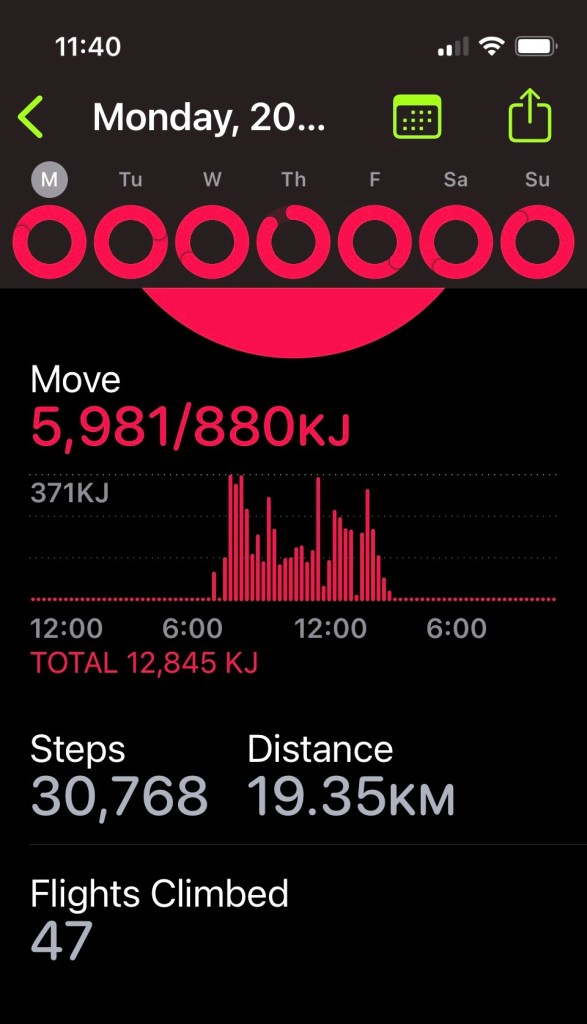
The final push – only 6.2km according to the map. I had my doubts as AppleFit and Strava seem to tell a different tale (as did my legs!) but the distance was actually immaterial – were were HIKING THE KUMANO KODO!!!

Once we left the teahouse it was upward again – but a short sharp incline. The area looked like a slip had ripped through, it was a bit desolate and had been reinforced.

It was here we passed our last hiker of the day, a lovely young Slovakian person who made the trail look like a stroll through a dog park! We chatted for a bit and discovered she was supremely confident she would be in Nachisan in a couple of hours. I sincerely hope she was correct 😮

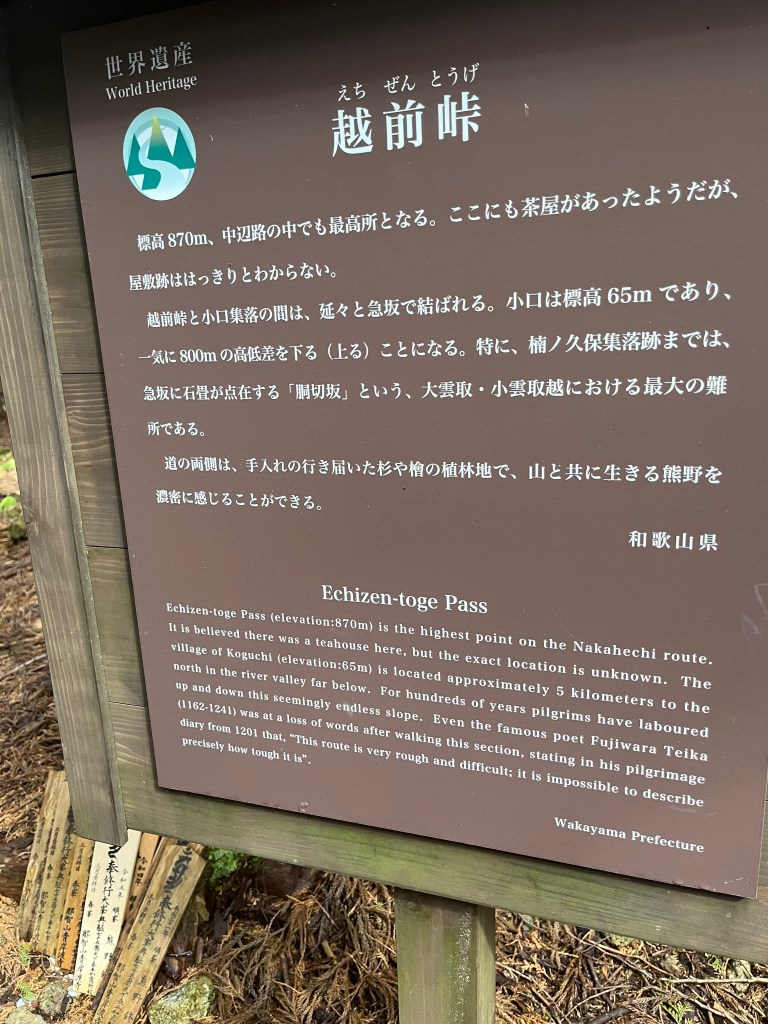
Another hour brought us to the highest point for the day – Echizen-toge Pass.

A famous 10th century poet was at a loss for words after walking this section “this route is very rough and difficult; it is impossible to describe precisely how tough it is”

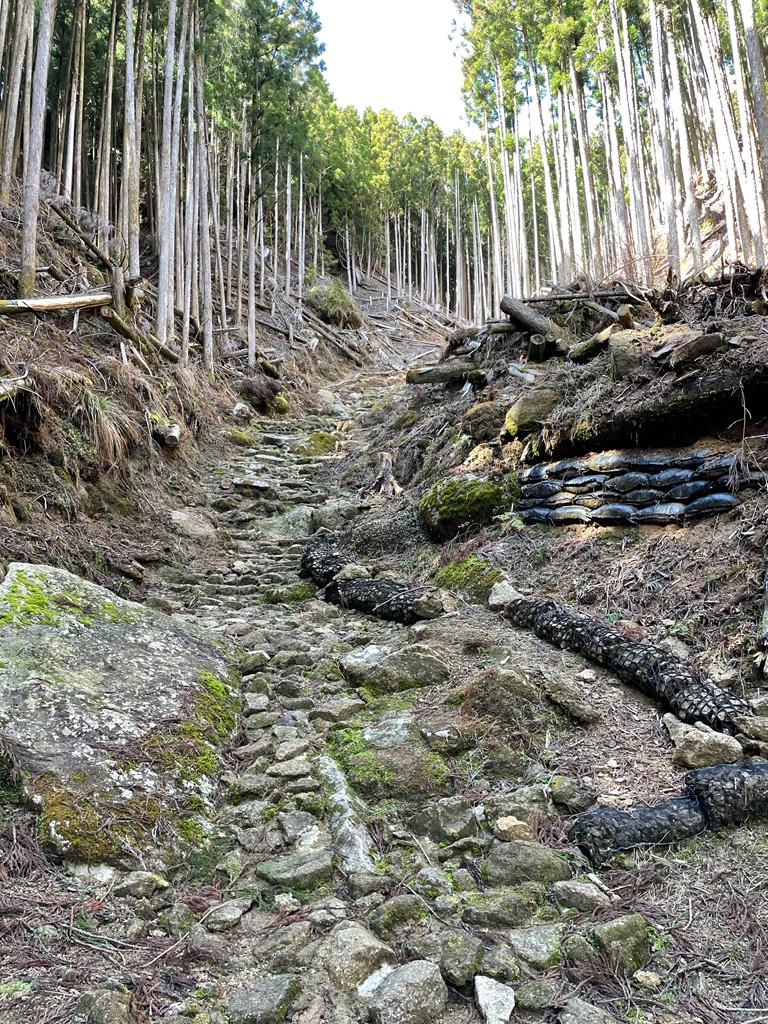
From here it was downhill all the way. The section is known as ‘dogiri-zaka’ which can roughly be translated as ‘body breaking slope‘. Working on the premise you’re coming up the hill. Which, thankfully, we weren’t.

The next couple of hours can only be described as a mad scramble descent. Our deadline of 4.30pm was forefront in our minds and as we descended, the light was slowly becoming dimmer.

downward forever…

I was supremely grateful for two things – sturdy hiking boots and walking poles.

These two items meant we could power down the stone stairs, paths and trails with accuracy and support. We passed some incredible ryokan ruins at Kusuonkubo-jaya and from there, the steep slope became less treacherous and more gentle.

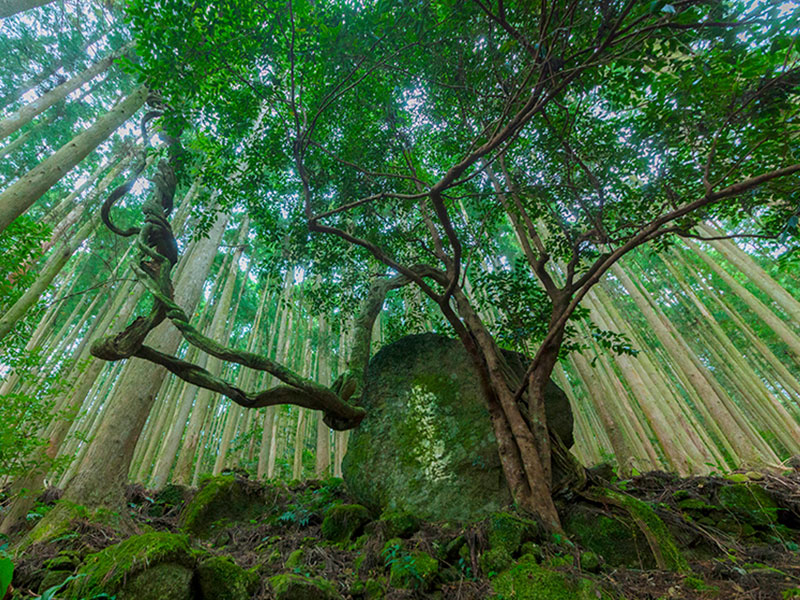
The history and grace that resides in the Kumano Kodo is quite simply – awe inspiring. Around every corner is another historical delight to enjoy. I didn’t get my own photos of everything, but above are two images from the Tourist Centre – see what I mean?!

DESTINATION – KOGUCHI

After the final two km dropping gently down into the valley, we popped out into Koguchi – but not before clambering down the final set of perilous moss covered stone stairs! With aching legs, I do believe this was the most dangerous part of the day 🙂

Our instructions were to phone our accommodation providers (Takata Green Land) for a pickup when we arrived and wait outside the Minakata grocery store. Very specific. I’m good at following instructions, so we duly phoned and our pickup was booked for 30 mins time.

Happily the store was open, so a refreshing beverage was in order. We sat outside the store and can I tell you, it was the best beer I’VE EVER HAD… and TB advised that it was the best sake she had tasted that day (ha!)

I can’t help myself – here are the distance comparisions:

Paper map = 14.2km

AppleFit = 21.04km

Strava = 29.1km

hmmm.

OUR ACCOMMODATION – TAKATA GREEN LAND

Our shuttle arrived, and 20 minutes later we were at Takata Green Land, aka Kumotori Onsen, a “low key hot spring inn”.

The best way to describe the accommodation was compliments of TB – it was “Hi-De-Hi during off season”. For those of you not in the know, Hi-De-Hi was an English sitcom set in the 1960’s when families went to holiday camps complete with dining halls, communal loos, and kitsch everything – all in perpetual rain. Everything appeared a little grubby, and the dining room was in use as a very large storage cupboard. Our tatami room was a bit battered and didn’t’ have any toilet facilities, they were communal in the hall. There were hardly any guests around – only three of us for dinner and breakfast, so I’m assuming it really was off season.

The onsen was lovely though – we wallowed outside in the hot pool in the misty rain, very warm and relaxing for tired muscles. Ditto the food, it was plentiful, tasty and did the trick.

Day three of hiking the Kumano was done and dusted. We were happy, health and injury free – what a great way to finish a great day.

Stay tuned for our final day on the Kumano, as well as some blogs on ryokans, onsens and other Japanese adventures – yippee!!

Thanks for tagging along – see you out on the trails.

PJ 🙂

HIKING THE KUMANO KODO #2

Hello and welcome to my LIKETHEHIKE blog.

I’m PJ and I write about the hikes I take, giving you insights, photos, commentary, tips and tools so you can enjoy hiking and embrace the experience.

It’s day two of our hiking adventure on Kumano Kodo, and when we last chatted, we had completed our first epic day on the trails!

DAY TWO – CHIKATSUYU TO HONGU TAISHA GRAND SHRINE

TB and I set off from our wonderful ryokan accommodation in Chikatsuyu at around 7am. It was a chilly morning, maybe around 5 degrees but the sun was shining and all was well with the world. I was slightly stiff in my legs, but not sore and certainly not impeded after a great night’s sleep.

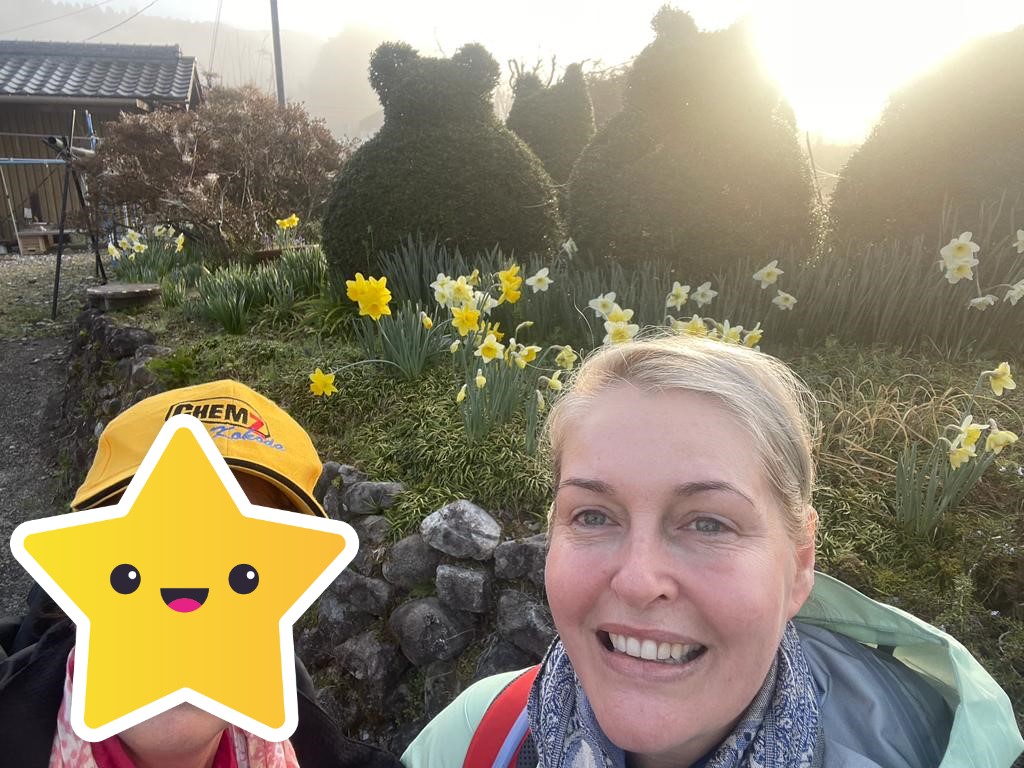
Adjacent to the ryokan we found a green thumbed local who had created a series of topiary bushes – of pandas!! Or perhaps Asiatic black bears…? Very cute.

This is as close as you want to be to a black bear!

FIRST LEG – CHIKATSUYU TO KOBIRO-OJI

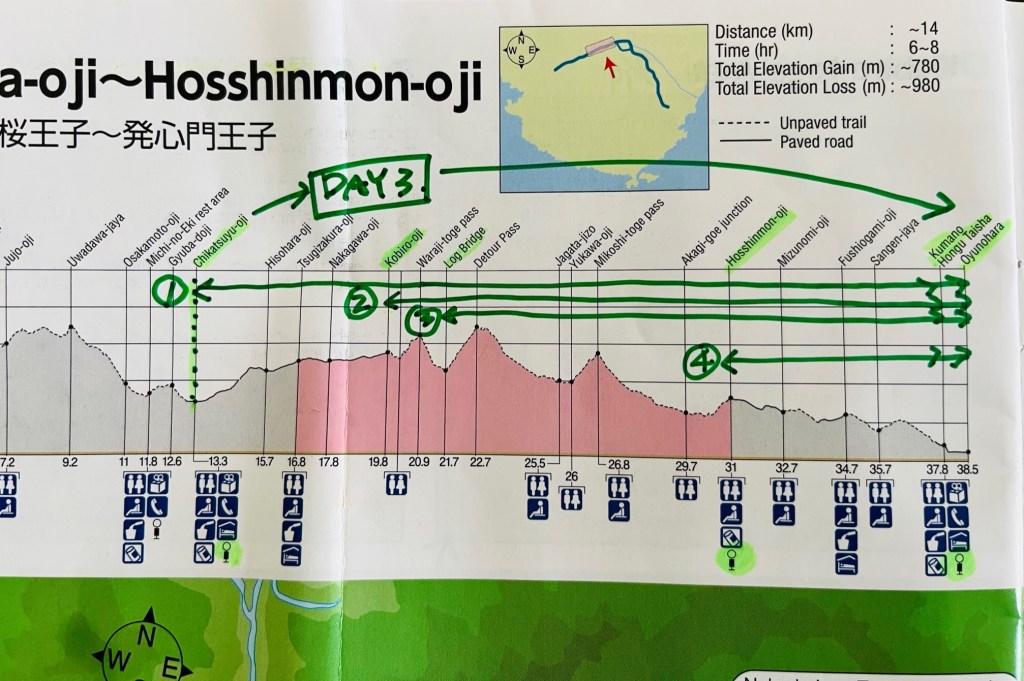
So, first things first. Here’s the map for our second day hiking. Ignore the day 3 notation, that’s day 3 of our total trip including travel days. And ignore the pink bit, were were scheduled to hike from the green dotted line ALL THE WAY TO THE END OF THE MAP.

That’s a lot of ups and downs…

TB and I spent some time the previous evening going over the plans for today, specifically our timings. After the first day we were conscious of the need to be off the trail by 4.30pm at the latest. We decided that 25km through challenging terrain was a bit of a stretch for one day, even with an early start.

Our ryokan hosts were very obliging with bus information, and they said we could take a local bus from the end of the street to Kobiro-Oji, departing around 7.10am. This would trim off about 8km and make the day a workable 18km. Also, if you look closely, the first section from Chikatsuyu to Kobiro was on a paved surface, so not in the forests.

So, we caught the bus and lived to fight another day 🙂

SECOND LEG – KOBIRO-OJI TO MIKOSHI-TOGE PASS

The bus trip to Kobiro was pretty quick, around 20 minutes. We were sorted – poles out and ready to walk before 8am. We had our lunch on board (chicken sandwiches) and off we went. It was a gentle downhill gradient to start with, which gave leg muscles time to warm up, then it was up the mountain.

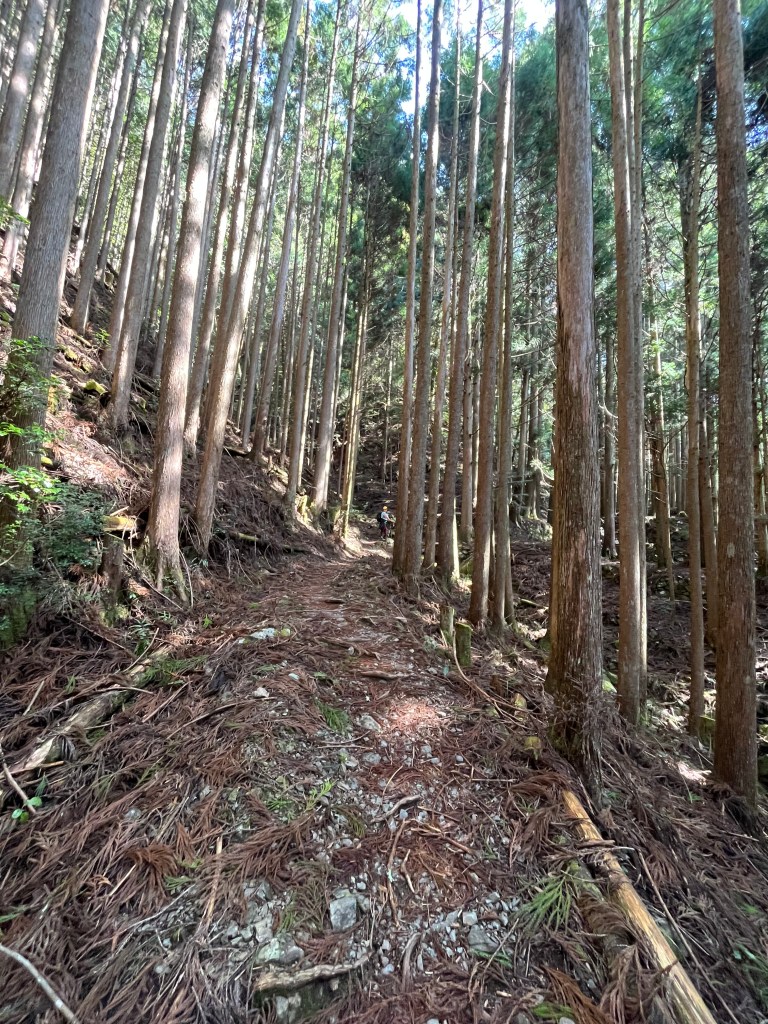
We wound our way upward, and rather than going straight up, the trail switched back and forth, and then tracked along the side of the mountain. When we had a view, it was quite lovely, but the hiking vista of the trails was just as pretty.

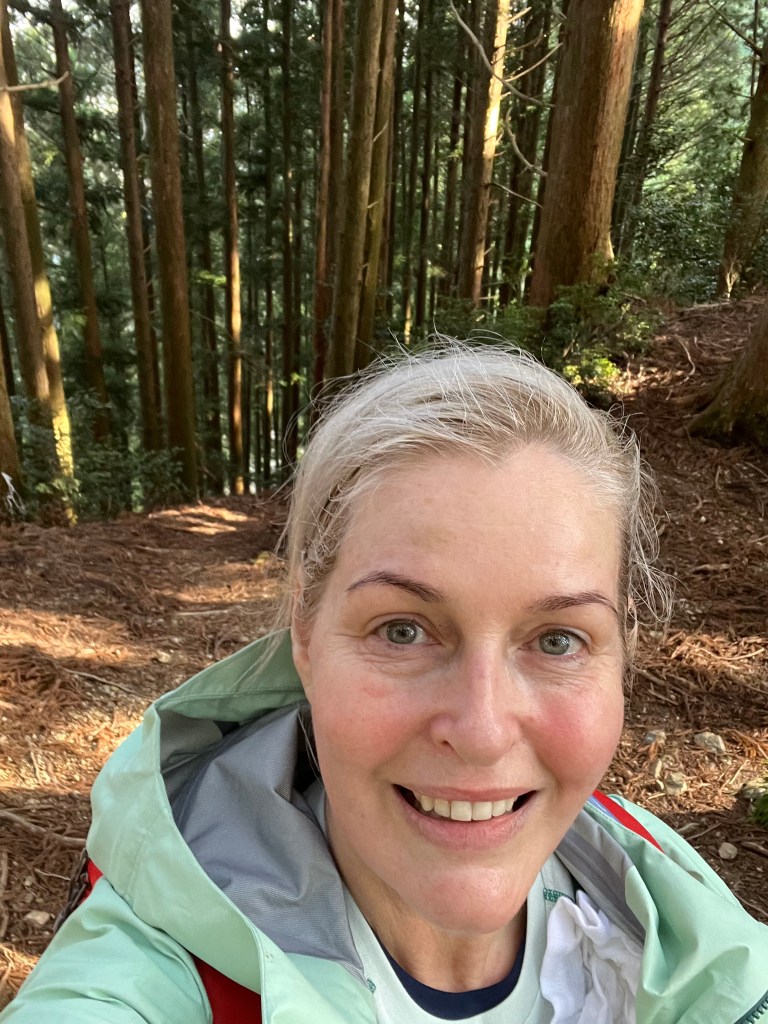
That’s me at the top of Detour Pass, a little ‘perspired’. Notice that the scarf and other warm clothing is now gone – and pretty soon the jacket came off! It was a cardio morning session, but definitely easier than day one.

The next section was a lovely downward treat for about 3km. We wandered through forests, passed little shrines, crossed old bridges and started to see the famous stone pathways and stairs that make Kumano globally recognised.

We could slow down and really drink in the sights, the sounds – the ambience of the trail.

It’s very difficult to capture in a photo how Kumano impacts you. It makes you feel special way deep down – at the point of who you are, and just as importantly, who you want to be. It gives you the space, time and simplicity to think about things. You feel part of something so much bigger than yourself and to have that mental and emotional space to reflect is very precious.

CAUTION – MANIC vs MINDFUL HIKING

When I start a hike, I do a bit of a self check. How am I feeling physically? Mentally? Emotionally? What do I want to get out of this hike? I can then decide who I want to set myself up mindfully. However, on day one of Kumano, I started manic hiking. It was all about getting to the top, getting to the end, getting to the finish, taking all the photos, not being last. It took about an hour for me to calm down. I reminded myself that it was my hike, my holiday – I set the pace and the rules. It’s important to approach hiking in a mindful way so you get the most out of the experience. There is incredible value in setting a pace that allows you to enjoy the day – just be off the trail by dusk!

Mikoshi-toge Pass is at the crest of the mountain, and is marked by a lovely pavilion with amenities and a covered sitting area to rest if you need to. We had a beautiful spring day, so we stopped in the sunshine for a coffee break.

Where Kumano crosses roads, there are often pavers inlaid to keep you on track.

We had been hiking during the morning within sight of Mrs and Ms Melbourne who we met the previous evening (see Hiking the Kumano #1). Mr Melbourne was a crazy fit hiker, he left Chikatsuyu the same time as we did (he was walking and we were bussing). And he caught up with us here! HIKING LEGEND!

TIP – HOT REFRESHING BEVERAGE ANYONE?

Full and multi day hikes need food and fluid to keep you sustained and hydrated. Water isn’t a lot of fun, even when you add flavour or supplements. Coffee, tea and other beverages can really perk (*boomtish*) up your hike. We found some amazing Thermos options in Tokyo for a ridiculously cheap price, probably 75% less than what they cost in Australia. We had our coffee sachets, so we simply added hot water every morning, and enjoyed a hot drink during the hike. Well worth the investment.
Two of the three 500ml Thermos’s picked up in Tokyo. I paid about $22AUD for each one…bargain, considering they’re about $80 at home…

THIRD LEG – MIKOSHI -TOGE PASS TO HOSSHINMON-OJI

Twice in one day – we were hiking downhill again. The descent from Mikoshi to Hosshinmon was another 2-3km which was a blessing as we could slow right down and enjoy what was unfolding around us. Most of the time we followed Otonashi-gawa River downstream. We also wandered through a couple of abandoned villages – one was closed as recently as 1970 by the local council. Historically there were no bridges across the river, so pilgrims traversed the water to purify themselves on the way to the grand temple at Hongu.

From the Akagi-goe Junction to Hosshinmon it was uphill again, but a short sharp one. TB and I were so enjoying our surroundings that we missed the Kumano signpost going up – and found a dead end…..!

There’s a reason they have the signs – doh.

Once up the hill we had arrived at Hosshinmon-oji, which is a large Shinto shrine with an equally impressive torii. We had the shrine to ourselves until a couple of hikers made it up the hill behind us. TB and I decided that with only 8km to go, it was the perfect place to have lunch. Sandwiches on a wooden bench looking at a centuries old shrine. Perfect.

Fun fact – Hosshinmon is known as the ‘gate of awakening of the aspiration to enlightenment‘ and is the outermost entrance to Kumano Hongu Taisha’s sacred precincts. I think after two days hiking, this about summed up how TB and I felt walking along a thousand year old pilgrim trail.

FINAL LEG – HOSSHINMON TO HONGU

According to the map, we were only about 8km from our destination, the Hongu Taisha Grand Shrine. And it appeared it was a gentle up and down for the final leg – happy days!

This last leg was different to anything we had walked so far. It was road and trail walking as we wound our way down the mountainside through little hamlets and past houses. We peeked into back gardens and marvelled at the number of what appeared to be concrete fish tanks in yards, along with very well maintained veggie lots, orchards and tea plantations. There were lots of driveway honesty boxes with local produce for sale – it’s the same the world over 🙂

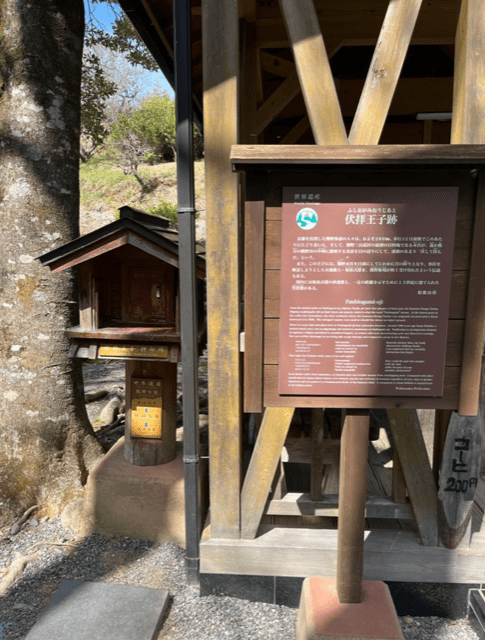
After about 90 minutes we arrived at Fushiogami-oji. Fushiogami translates as ‘kneeling down in prayer’, and as the crest provided the first sighting of Kumano Hongu Taisha, pilgrims often knelt to give thanks. There’s a lovely shrine here, along with a working teahouse which was open when we came through. We stopped for two outrageously priced ‘forest juices’ which tasted suspiciously like cordial, but who were we to argue with the ancient triumvirate who were obviously in charge?!

Now, I’m going to jump a bit in my storytelling here. We actually walked the last section from Fushiogami down to Hongu three times so I’ll save the tale (including our monkey encounter!!) for a later blog.

DESTINATION – HONGU TAISHA GRAND SHRINE

We made it! Our first grand shrine, and what a shrine! TB and I hiked for six hours and depending if you used the paper map, the AppleFitness tracker or Strava, we hiked 18.7km, 19.4km or 25.4km!

It really was a magical day. The weather was perfect, the scenery was varied and the terrain manageable. We had oodles of time to explore Hongu Shrine and really enjoyed arriving early at our destination.

We had the final challenge of getting from Hongu to our next ryokan, which was in Kawayu Onsen, about 4km out of town. However, it is really valuable to have a chat to the lovely staff at the Tourist Information Centre, who not only advised us that our accommodation had a courtesy shuttle, but they actually made the pickup call for us 🙂

ACCOMMODATION

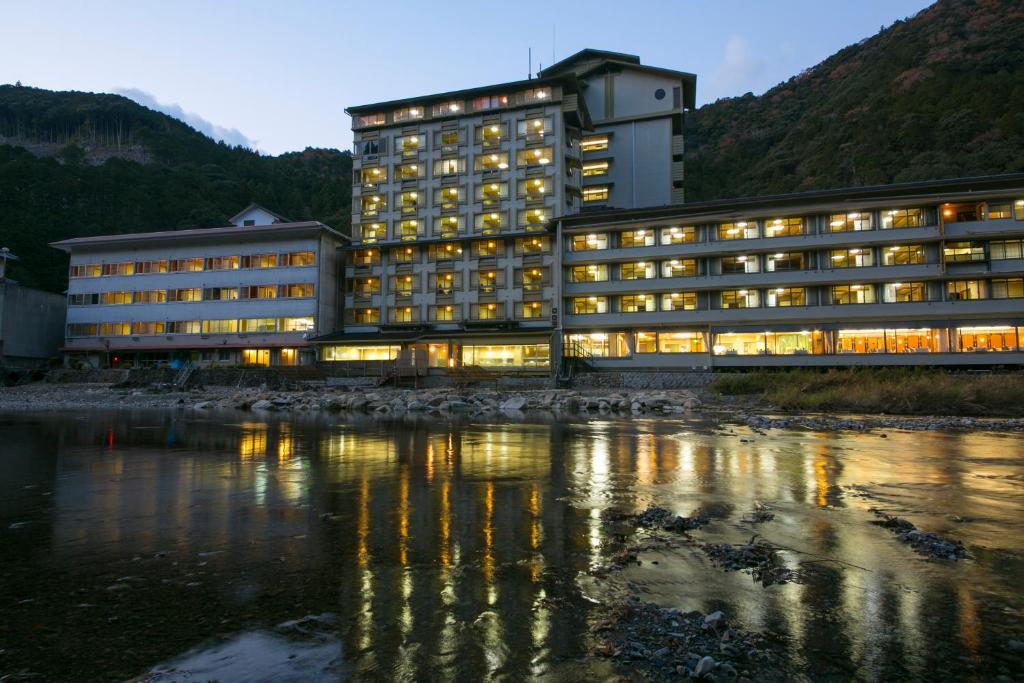
Our accommodation for our second night on the Kumano was at Sansuikan Kawayu Midoriya which was actually a hotel on the banks of the Oto-gawa river.

Again, the hospitality was faultless. We were expected and our luggage was waiting for us, and we couldn’t wait to get unpacked in our traditional tatami room and head to the onsen.

We were lucky to be in a hotel that had both an indoor onsen and outdoor natural hot pools. The outdoor pools were great – thankfully we had yakutas to wear soaking outside – all very modest.

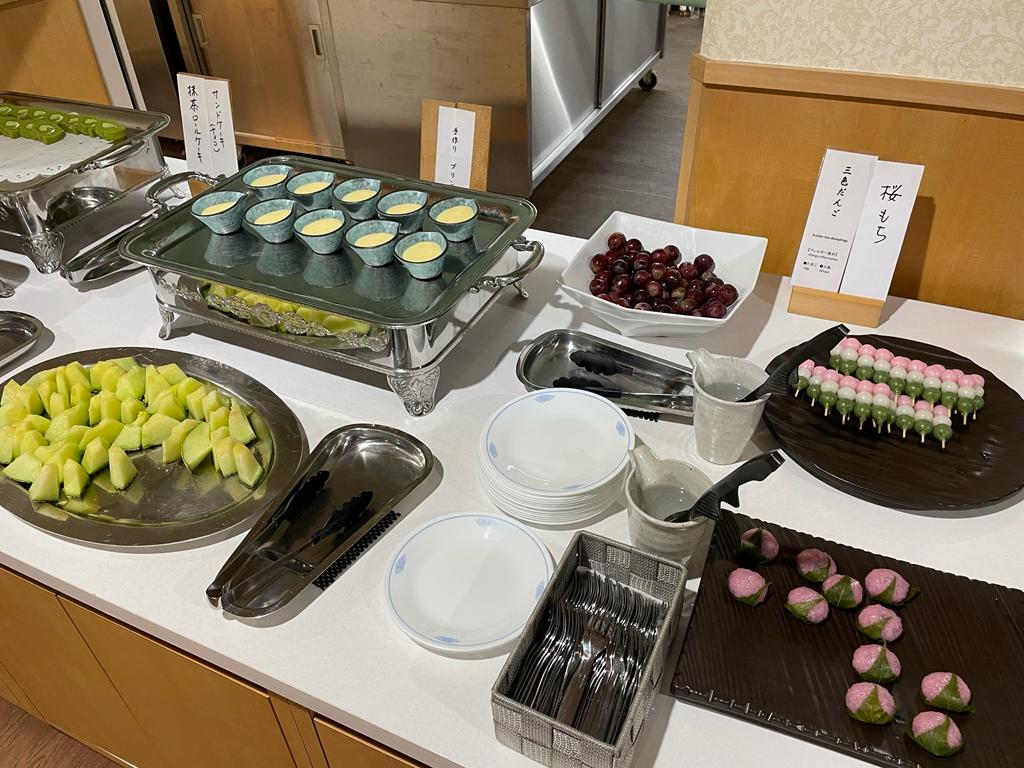
Dinner was an extravagant buffet in a large dining area that I’d say sat around 200 people. It appeared to be very popular with locals and tourists alike, so the place was buzzing. We were able to cook some of our dinner in a hotpot at the table – hugely entertaining to manage liquids, flames and chopsticks….We also participated in the buffet which was incredibly sumptuous. It’s quite amazing what you can pack into a tummy that’s been fuelling a long hike 🙂

TIP – GOTTA LOVE THE FOOD

Don’t skimp on your body fuel. Eating good food helps you to stay warm, move at a good pace and hike safely. When I’m hungry I tend to trip and stumble, not ideal when hiking! Carbs are your friend, especially complex carbs like rice and vegetables. Simple food works best for me. I do carry protein bars etc, but after hiking 20km, I crave clean, unprocessed food. Your body needs good fuel to operate optimally, make sure you give it the best you possibly can.

After dinner we both hit the wall.

We survived two long days back to back, and our itinerary had something different planned for day three – a traditional river cruise from Hongu down to the sea and the second major shrine at Shingu. So, day three wasn’t to be a hiking day, but a rest and recovery day. So far, so good. Stay tuned for days three and four of our hikes, as well as some blogs on ryokans and our other adventures – yay!

Thanks for tagging along, and see you out on the trails.

PJ 🙂

Why Hiking Saved my Sanity – and the 5 Hiking Benefits You Need to Know!

Hello and welcome to my LikeToHike blog. I’m PJ and I write about the hikes I take, giving you insight, photos, commentary, tips and tools so you can enjoy hiking and embrace the experience.

So, I bet you’re wondering, how did I start hiking, and more importantly, why do I keep doing it?

Well, the second part of that question is easier to answer than the first part, but let’s see how we go.

CAUTION

In this blog I’ll be talking a bit about my own hiking journey and life, some of of the personal things I discovered along the way and doing some “sharing”…..which I’m sure you won’t mind…if you aren’t feeling the vibe, skip and I’ll see you next time!

How Did I Start Hiking?

I used to be a runner. Not a lithe, lean, easy runner but a hot, sweaty, ungainly one. I thought that running was the only way to keep fit and healthy. And I did enjoy it. Somewhat. Apart from the chafing, sore knees, sore hips, constant bra issues and blisters.

What really ticked the boxes was being outside, feeling the seasons, moving through different landscapes, having different terrain underfoot, seeing different people and things.

As I transitioned from my third decade into my fourth, I decided there had to be a better way to keep fit and enjoy the outdoors. So, I just slowed it down. I went from running (jogging!) to walking. Albeit fast walking. I found that I had more time to see, feel and experience what was happening around me.

It gave me time to reflect, to ruminate, to problem solve, to de-stress and to mentally and emotionally breathe.

TIP

When you start walking/hiking, some of the apps and tools available make a big difference to your experience. I have used sites like AllTrails and TrailHiking, and apps like Strava and Relive to research and then track my hikes. It makes it feel “real” and in a way, validates what you are doing. If you want to go all in, most apps have a community you can connect with and exchange trails, hikes and performance data.

In the middle of my fourth decade I was travelling for work. A lot. Walking was my excuse to explore new cities and towns, to find the walking trails, the rivers, the beaches, the forests and the bush. Every time I packed my suitcase, I threw in my sneakers and my walking gear. So, now I was a walker. Note quite a hiker. Yet.

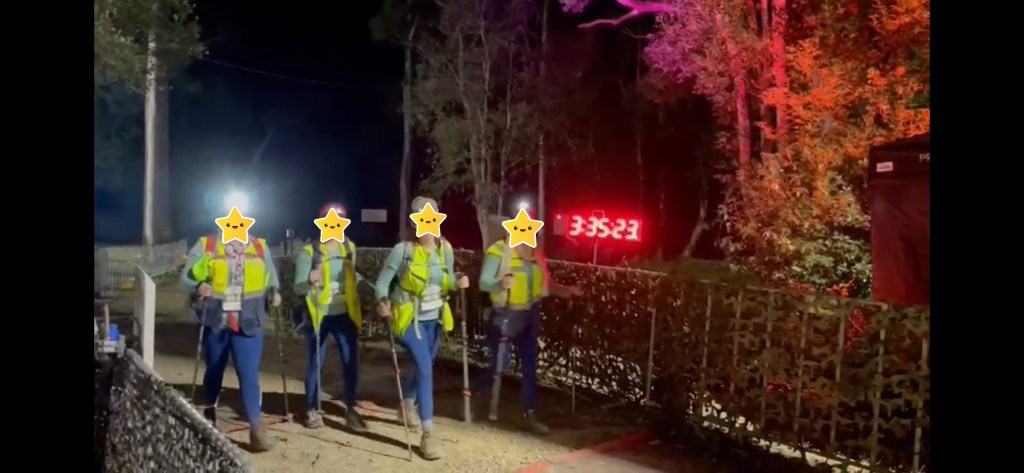
Clockwise – Canungra, Brisbane & Sawtell (Australia), Havelock North (NZ) and Berlin (Germany)

Hello Hiking!

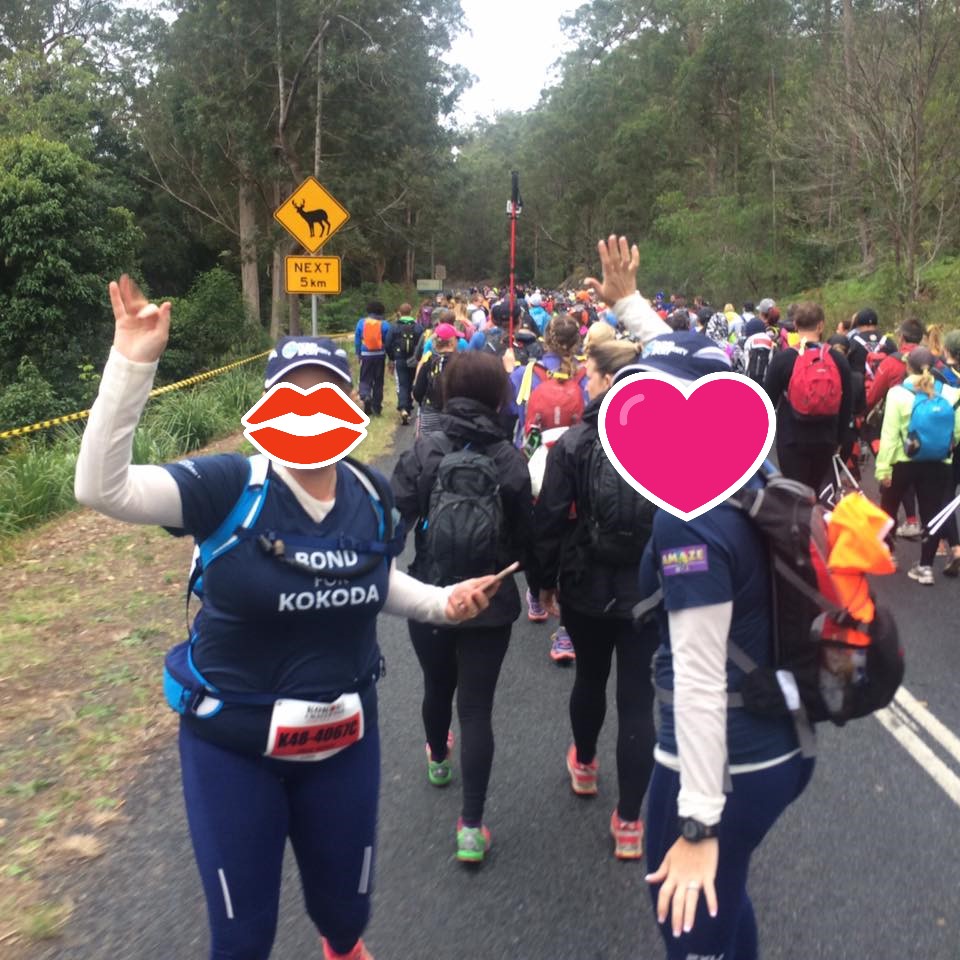
About eight years ago, a work colleague and I had the bright idea of putting a four-person team in for the Gold Coast Kokoda Challenge, which is an endurance event held in the Gold Coast hinterland.

Yes, it was about fundraising and developing professional and personal relationships, but it was also about committing to training and pushing, both mentally and physically. We trained as a team for six months – every weekend and sometimes during the week, all through a Queensland summer, then hiked 48km non-stop in July, starting at 11am and finishing at 3am the next day.

And it was FANTASTIC!

However, if you want to try hiking for the first time, maybe aim for something a little less hard core. But then again….there’s a lot to be said for jumping in boots and all…

So, Why Do I Keep Hiking?

When I went from my fourth decade into my fifth, some things happened. I got fat. Not super fat, but about 20kg worth. Some was diet and lifestyle, but most of it was age and stage. I was still walking, but hormones were dictating the direction, not me.

I did realise that if I wanted things to change, it was up to me to create the environment, the conditions and the outcomes.

So, what were the things in my world that brought me pleasure, and what were the things I really didn’t like? What did I want in my life? What were my non-negotiables?

The good news? Husband, child and the two dogs made the cut. So did hiking.

The bad news? The unwanted weight didn’t make the cut. Neither did the job I didn’t like, the commute I hated, the stress, the gaslighters and the crappy food.

At the end of 2021 I made a commitment and embarked on the “year of me”. As this isn’t a self transformation blog I’ll park it there, but by the end of 2022 my goals were met – and hiking played a big part.

Back to the top five benefits of hiking that YOU NEED TO KNOW!

1. Self Esteeem

Nope, the first benefit isn’t weight loss. It’s actually about you. Your confidence, your self esteem. We live in a fast paced world, driven by social media and impossible standards which presume to tell us all the things we aren’t doing well. Or correctly. Or at the right time. Or the right way.

Hiking makes you feel good about you. You’re in charge of the hike. It’s all about where you want to walk, when you want to walk, how fast, how long, with whom and why. You’re in charge of everything. This provides an incredible push of confidence. Embrace the new experiences….

2. Shinrin-Yoku

My favourite pastime. Forest bathing. A phrase coined in Japan about 40 years ago to describe the process of taking in the forest atmosphere to combat tech burnout and reconnect with the natural environment. I love embracing the calm and quiet in the bush, listening to the sounds and just being. Everywhere I hike has a soundtrack, and I love tuning in.

The best part? You don’t need to hike 20km to enjoy the benefits of shinrin-yoku. Try the park down the road. Sit. Listen. Enjoy.

Forest Bathing in a park in Melbourne, Australia

3. Stress Reduction

Told you, weight loss probably won’t make the top 5…

A common by-product of our busy lives is stress. In Australia right now, we have cost of living and mortgage stress as inflation creeps and a recession may be on the horizon. Job security, job performance, family, relationships, being perfect. Its a tough ask.

Hiking gives you a reason to park all that for a short while. Boots. Backpack. Hike. Rinse and repeat. Concentrating on a hike means your brain has less time to worry endlessly about the above. When I hike I’m focussed on my feet, the trail, the trees, the map, my poles, hydrating, saying hello to people and generally what’s happening around me. I unplug from all the “things”.

Less stress. It works.

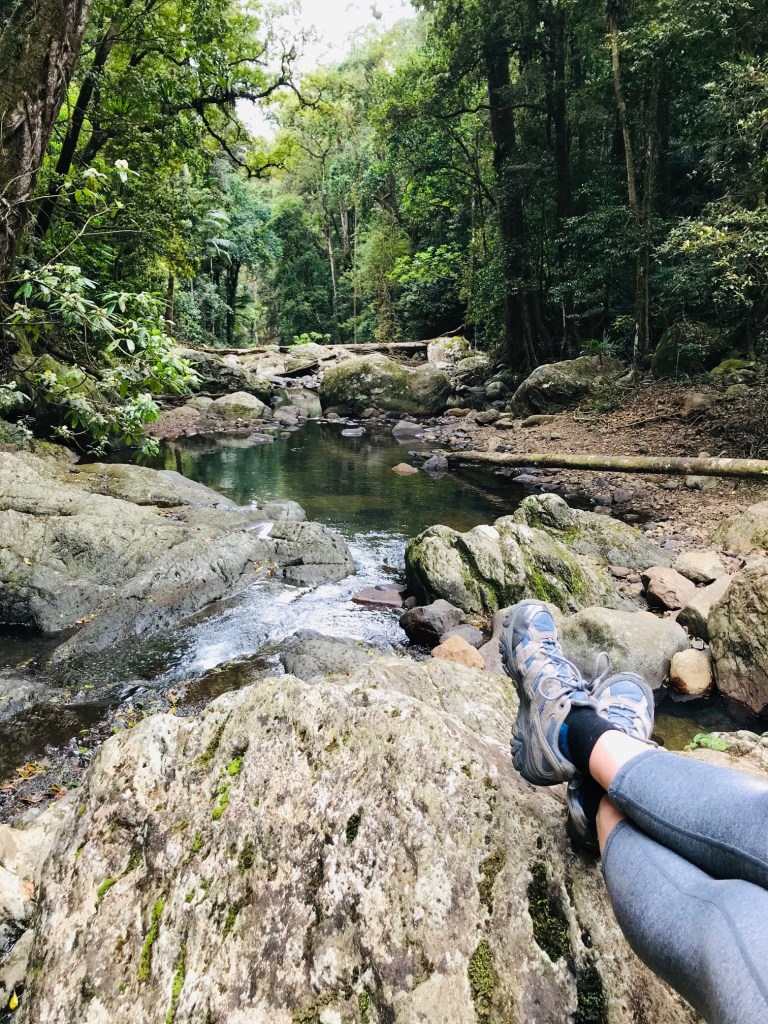
Springbrook National Park, Queensland

4. Muscles and Bones

It’s a fact of life that as we get older, muscles and bones age also. Strength, density and tone become more important, especially for women. Toned muscles support bones. How many times have you heard about that nana who tripped and broke a wrist? Or that auntie who rolled an ankle? Good muscle tone might not prevent the fall, but it will help minimise the damage.

Hiking is an activity that encourages good muscle development and maintenance. Uneven terrain, hills, slopes, valleys, steps, rocks – they engage and encourage muscle tone in legs, arms, back, feet and core. All the good places.

5. Sense of Community

Rounding out my top 5 benefits of hiking is a sense of community. A sense of belonging to something bigger than you.

Hiking is a popular pastime and offers some incredible events and opportunities on a global scale. You can hike Everest, slog the Kokoda Challenge, shinrin-yoku the Nakasendo Way or commit to the Camino Trail – there’s a hike for you and a fantastic network of like-minded individuals who will be cheering you on. If you haven’t participated in a hiking event, I can highly recommend it., Having a shared purpose and common experience is something very special.

Hiking gives you entry into a community of people who not only accept you and your goals, but actively encourage and support your endeavours. Pretty cool huh?!

Wrapping It Up

So there you have it.

My top 5 benefits of hiking that you need to know. Keep in mind, this is my top 5, and have come from my hiking journey of discovery. Everyone has a different journey with different experiences and milestones – which is the fun of it.

See you next time out on the trails.

PJ.
PS – weight loss is definitely a benefit – but it’s a result of hiking – not the reason 🙂