WHAT TO PACK FOR A 10 DAY HIKE ON KUMANO KODO

Hi and welcome to my LikeTheHike blog. I’m PJ and I write about the hikes I take, giving you insight, photos, commentary, tips and tools so you can enjoy hiking and embrace the experience.

So, there are a million blogs and resources available for travel packing, how to pack light, how to pack smart, how to pack three items of clothing to last 3 weeks…etcetcetc. I won’t be covering any of that in this blog. This is a post about packing for 10 days hiking the amazing Kumano Kodo trail in Japan!!!!! BEYOND EXCITED!!!!!

Where are we going?

TB (sister) and I are heading to the Kumano Kodo Trail, a series of ancient pilgrimage routes that cross the Kii Hanto, the largest peninsula in Japan. For 1,000 years, pilgrims have been walking the routes as they undertook religious acts of worship and purification. In 2004, the Kuman Kodo routes were UNESCO world heritage listed, one of two alongside the Camino de Santiago in Spain. So, we are heading to a VERY COOL part of the world.
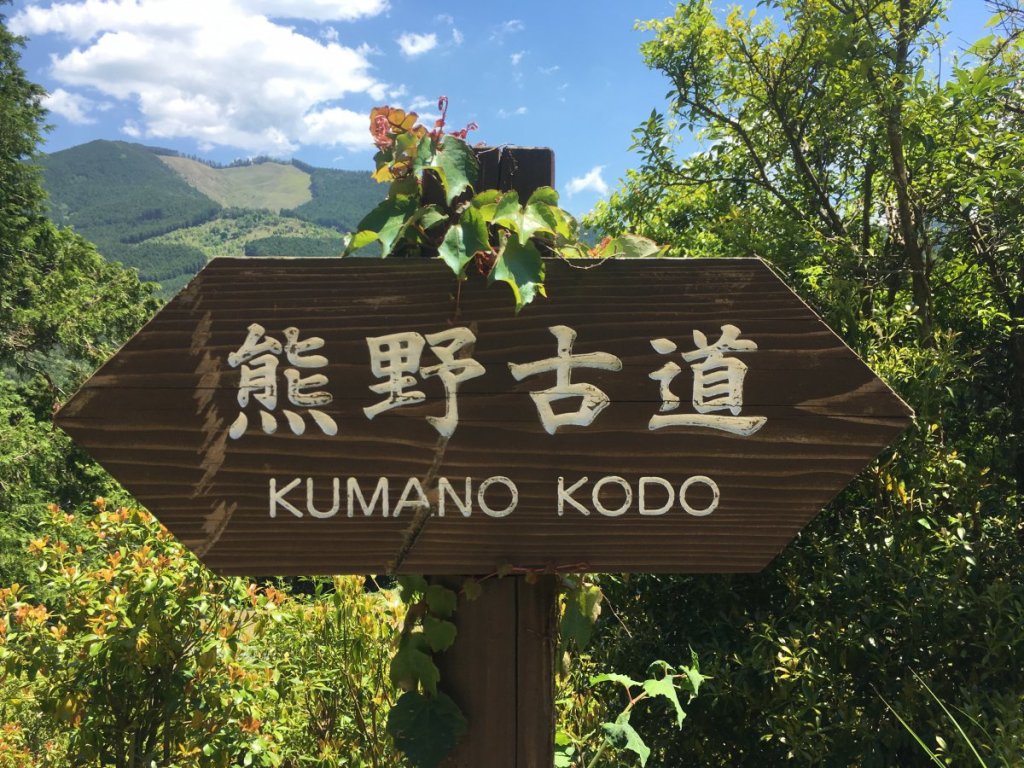
We have selected a 10 day self guided trek of the core section of Kumano Kodo called Nakahechi. It runs from Kii-Tanabe on the south western side of the peninsula, up into the mountains and finishes at Kii-Katsuura. It links the three Grand Shrines of Kumano, and has an incredibly rich historical and spiritual atmosphere.

The trek itself is 68km split into 7 days of hiking with 2 experience days and 1 rest day. We didn’t plan the whole trip ourselves, but decided to use an Aussie based trekking company called Raw Travel.

WHEN TO USE THE EXPERTS

When my husband and I travel for a holiday, I’m very happy to plot, plan and book as sorting the logistics for a holiday is part of the fun. However, this holiday is a bit different. We didn’t know exactly where we were going, what would happen, where to book overnights or what to expect. So, we decided to use a travel company that specialises in self-guided treks. Our accommodation, meals and daily luggage transfers are all sorted, we have maps, briefings, and in country support. All we have to do is walk! So far our experience with http://www.rawtravel.com has been excellent. Ask for Chris, she’s the Japan guru.

Why are we going?

Shouldn’t the question be why not? The window in which a person can both afford to travel and is fit enough to tackle multi day hikes is quite small – so we are seizing the day. And, this was a birthday trip planned for 2020, but scuttled thanks to COVID.

What am I packing?

I am a regular traveller so packing for a standard trip isn’t a challenge. However, this is a 13 day hiking trip, and 10 of those days are through terrain that doesn’t offer immediate access to amenities such as cafes, supermarkets or ATM machines. The good news is that our luggage is transferred each day to the next ryokan (B&B lodging) so we only have to carry a day pack.

So, what’s going to Japan??

1. CLOTHES

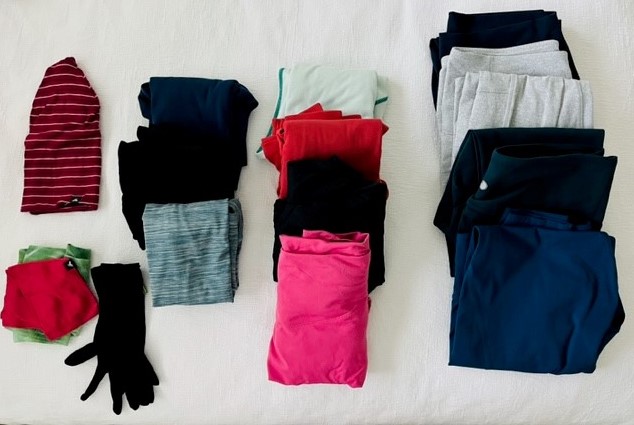
10 days of hiking in weather that may be cold, warm, gusty or raining – it’s tricky. I don’t want to pack too much, but conversely, I want to make sure I have enough so I’m not wearing crusty socks for 4 days in a row. Here’s my list from the inside out:

  • Undies – 14 – minimal seams and super comfy for all day walking
  • Bras – 3 – 1 standard sports bra (Berlei) and 2 wire free bras (Enell)
  • Socks – 8 – 5 2XU knee length compression socks (Vectr Light) and 3 merino blend
  • Swimsuit – although ryokan onsens are strictly a modesty towel only (yikes), the outside natural onsens on the trails are swimsuit friendly so I’m planning to frolic in the water. We are also transiting via Changi Airport on the way home, and I hear there’s a pool we can use there during layover!
  • Pjyamas – 2 – singlets and shortie sets

  • Tops – 7 – 3 short sleeved and 4 long sleeved (3 merino in total)
  • Bottoms – 4 – 3 full length and 1 calf length. Not a fan of hiking trousers…prefer stretchy.
  • Head & Hands – gloves, beanie and ear wraps (my ears ache in the cold), baseball cap and sun hat.
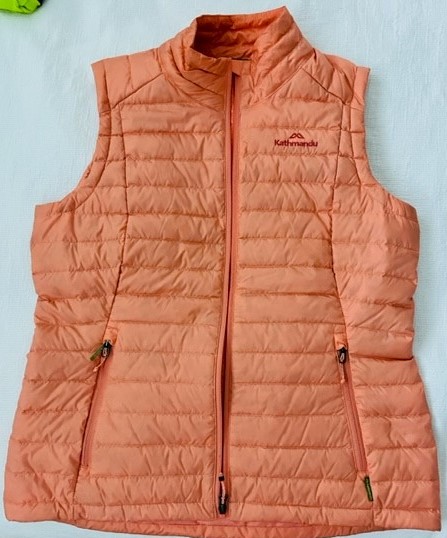
  • Vest – 1 – Kathmandu Heli down vest. I’m not sure how cold it will be in the mornings, and this packs down to nothing so it’s an easy inclusion. And it’s apricot – a good safe colour in the forest 🙂
  • Jackets – 2 – 1 waterproof raincoat (Kathmandu NGX3 Trailhead Jacket) and 1 softshell travel jacket (TK Maxx last winter)
WATCH THE RUB

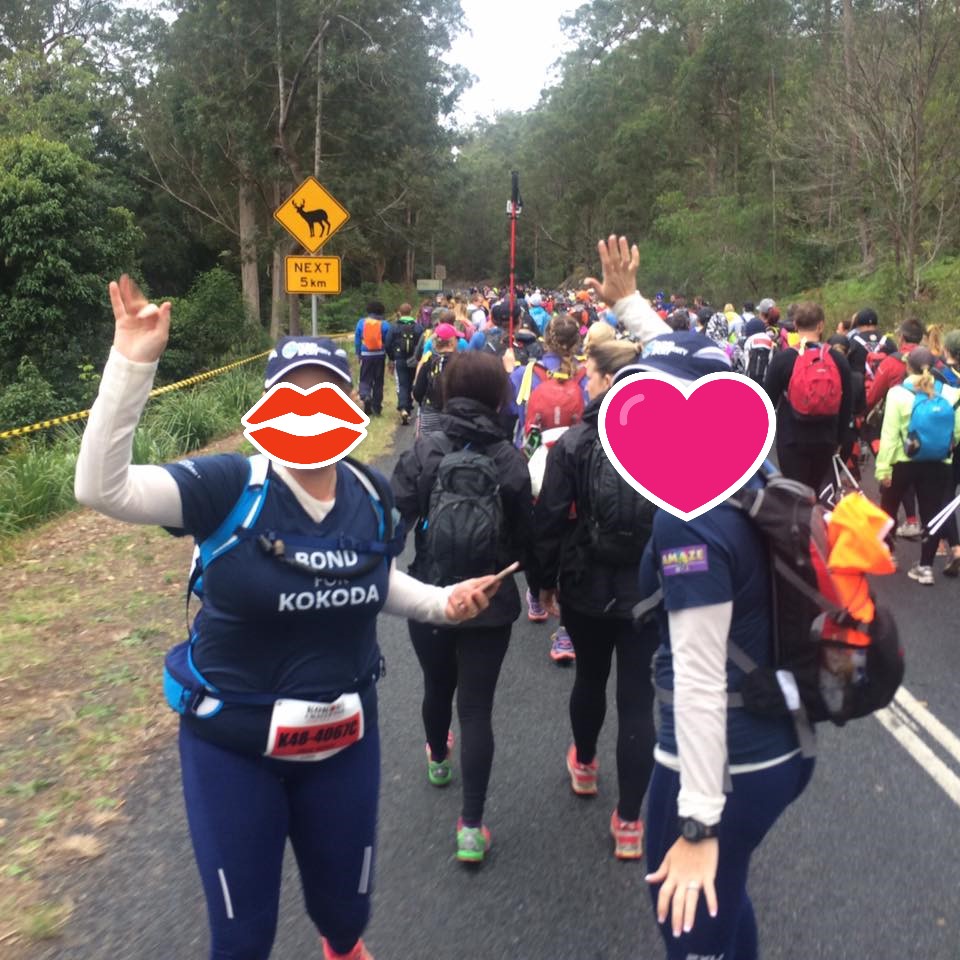
When I hiked the Kokoda Challenge (49km over 15 hours non-stop), a small seam irritation or issue with clothes quickly escalates into something intolerable. Having clothing fit properly and lie smoothly under your backpack is critical. Ladies, I’m talking bras here! Try different bras, t-shirts, jumpers and jackets on your training hikes so you know what works, and more importantly, what doesn’t.

2. HIKING GEAR & EQUIPMENT

It’s the “too much vs not enough” argument here. What if it rains for 3 days straight and I can’t dry gear? What if the trail is actually really easy and light trail shoes are better than waterproof boots – or vice versa?

  • Footwear – North Face Vectiv Infinite trail shoes, Merrell waterproof hiking boots
  • Rainwear – Kathmandu NGX3 Trailhead Jacket (see above), and disposable ponchos. I’m not taking over-trousers because I just can’t walk in them. I’ll get wet, then dry off at the end of the day.
  • Day Pack – MacPac Rapaki Airstream 28L. ( I love the ventilated back – less “sweaty betty” and it can hold a lot of stuff)
  • Water – 3L MacPac camelpak which sits very nicely in the day pack and feeds out with a water tube. It’s not absolutely necessary for longer hikes like Kumano Kodo, but it means I have water on tap (*boomtish*) for the day.
  • Poles – MacPac telescopic hiking poles
  • Sleeping Pad – hear me out! When I was researching ryokan accommodation, there was mention that tatami mats and pillows can be quite firm. I really don’t want to be uncomfortable, so I bought a foot press inflatable air mattress that I can use under a tatami. Its only 500g and fits really nicely into the bottom of my pack. If I don’t need it – happy days.
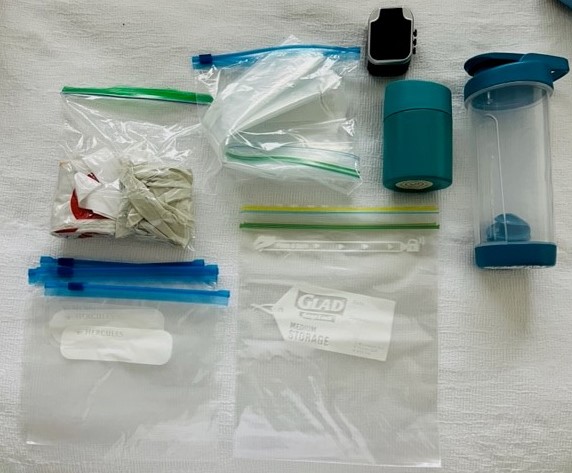
  • Plastic Bags and Drinking Things – yes, I need plastic bags for wet gear, dirty shoes, dirty clothes and to protect my phone, laptop and passport. I am also taking a drink bottle which I can use for my protein water, and a little coffee mug to keep me happy in the mornings 🙂
UHOH…WE’VE LOST YOUR LUGGAGE

Lost and delayed luggage is a sad reality of travel. If my suitcase doesn’t make it to Tokyo in time to start Kumano Kodo, I can buy most things, but there are some things like boots and inserts which are worn in, and certain bits of clothing which I really prefer. So, I will be using my daypack as carry on, and will be packing non-negotiables such as hiking boots, inserts, one hiking outfit, medicine, laptop etc. Just in case…
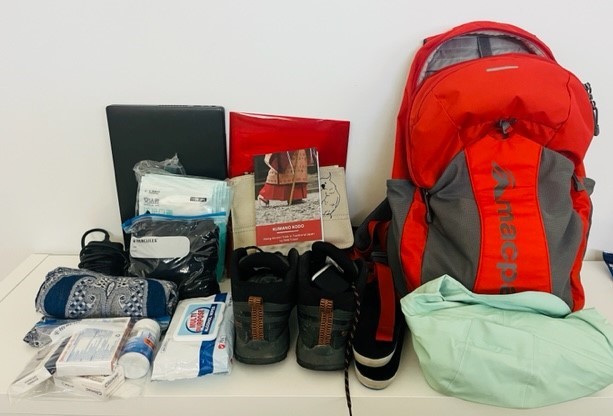
3. MEDICAL & FIRST AID

I always carry a range of medications when travelling, Usually it’s gastro-stop, gaviscon, cold and flu tablets, panadol – drugs that keep you going as travel plans wait for no one! This trip is a little different as it’s post COVID, out of the main tourist areas, and we are hiking almost 70km in forests so the things I’m packing are:

  • Anti-inflammatory meds, a footcare kit, hikers wool, muscle ointment, strapping tape, allergy tablets, gastro-stop, bug spray, magphos tissue salts and a shaker of table salt (leeches…. 😦 )

I’m also taking face masks (Japan still requires masks to be worn on public transport and some flights) and a couple of packs of antiseptic wipes for hands and surfaces.

HIKERS WOOL

I grew up in New Zealand, and Hikers Wool is a fantastic kiwi product. My mum (SJ), an avid hiker in her time, swears by it and shared it when I started hiking seriously. It wraps around and underneath individual toes, moulds to your footprint, wicks away moisture and prevents friction – and therefore prevents blisters and damage. Don’t ask me the mechanics – it just works! See for yourself http://www.hikerswool.co.nz

4. FOOD

Another recommendation from Raw Travel was to take along hiking snacks. The Nakahechi section runs through some very traditional areas of the Kii Peninsula, so the ability to pop out for a latte will be limited. Corner stores are not on every corner so that means minimal access to snacks etc. TB and I are caffeine fiends, but only via the traditional coffee option and the feedback is most ryokans offer lovely tea, but not really coffee.

So, here’s what I’m taking sustenance wise:

  • Coffee – Avalanche Sugar Free Latte 10 pack. Its not a freshly made flat white, but it will do for that caffeine hit. Maybe it’s a good detox opportunity…!
  • Protein – FeedGood Tasteless Protein/Collagen which I add to my water bottle. It allows for easy protein delivery when you’re walking and you don’t want to be eating all the time. And it really is tasteless. Really!
  • Snacks – Carman’s Snack Bars and Aldi “On the Go” mixed nuts.

My snack needs are pretty simple when hiking. As you hike for longer periods of time, you find out what fuel works for your body, when and in what volume. I’m happy to have the same snacks each day 🙂 and then dive into the local delicacies at the evening meal.

5. OTHER STUFF

So, what else needs to be in my suitcase to ensure an amazing Kumano Kodo experience?

Electronics – laptop and phone, plug converter and charging cords. I’m still on the fence about taking a battery pack. They’re really heavy and we will be at a ryokan each night, so will be able to charge up. We also have access to an itinerary app via Raw Travel so we can track our daily instructions – what could go wrong?!

Cash – another tip from my research – take cash. There are very few EFTPOS and ATM facilities on Nakahechi. If we want a sake or two in the evenings, or buy things on the trail, it will most likely be a cash transaction. So, I did some complex calculations and decided on 5,000JPY a day ($55AUD). And, it was a nice round figure for the lovely Travelex kiosk lady. 🙂

Documentation – Japan travel requirements are pretty self explanatory, and they do require a COVID vaccination certificate at airport checkin, and there are a range of customs, immigration and quarantine forms online, which also have printouts you can take as backup. I’m not a luddite by any means, but I just don’t trust phones, links and screen shots when you’re next in line at customs. I’m a super law abiding traveller, but put me in front of a customers officer and I turn into a female version of Inspector Clouseau, complete with a severe case of the ‘dropsies’. So, I’m taking print copies of all of the above, as well as insurance docs, itinerary, train travel planning screen shots. I have a “folder”…. 🙂

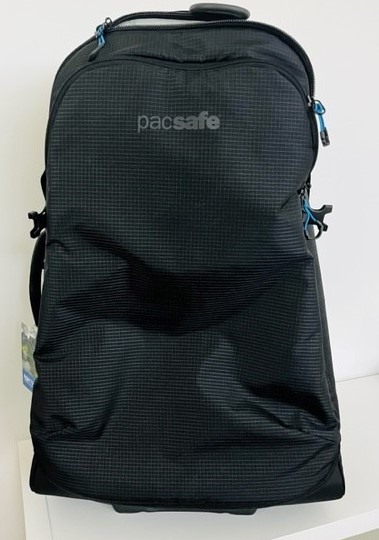
Suitcase – this trip I’m trialling a soft shell Pacsafe Toursafe 96L anti-theft two wheel case. TBH I was quite surprised I got into this with all my stuff, so it’s deceptively roomy. I’ve paced around the house and driveway a couple of times fully loaded to see about wheel and handle robustness – so far so good.
Is That Everything?

After covering off all eventualities, all possibilities, all weather events and circumstances – I THINK I’M READY. AND SUPER EXCITED!!!

This is a once in a lifetime opportunity to experience something that is so different, so exciting and a hike that will, I feel, add to my growth as a human. I will be journaling on the hike, but will also be capturing some great stories (as I’m sure TB will do something very entertaining with her modesty towel in the onsens), so stay tuned for some more Kumano Kodo blogs!!!

See you on the trails,

PJ

URBAN HIKING SERIES -#1 SYDNEY CBD

Hello and welcome to my LIKETHEHIKE blog. I’m PJ and I write about the hikes I take, giving you insights, photos, commentary, tips and tools so you can enjoy hiking and embrace the experience.
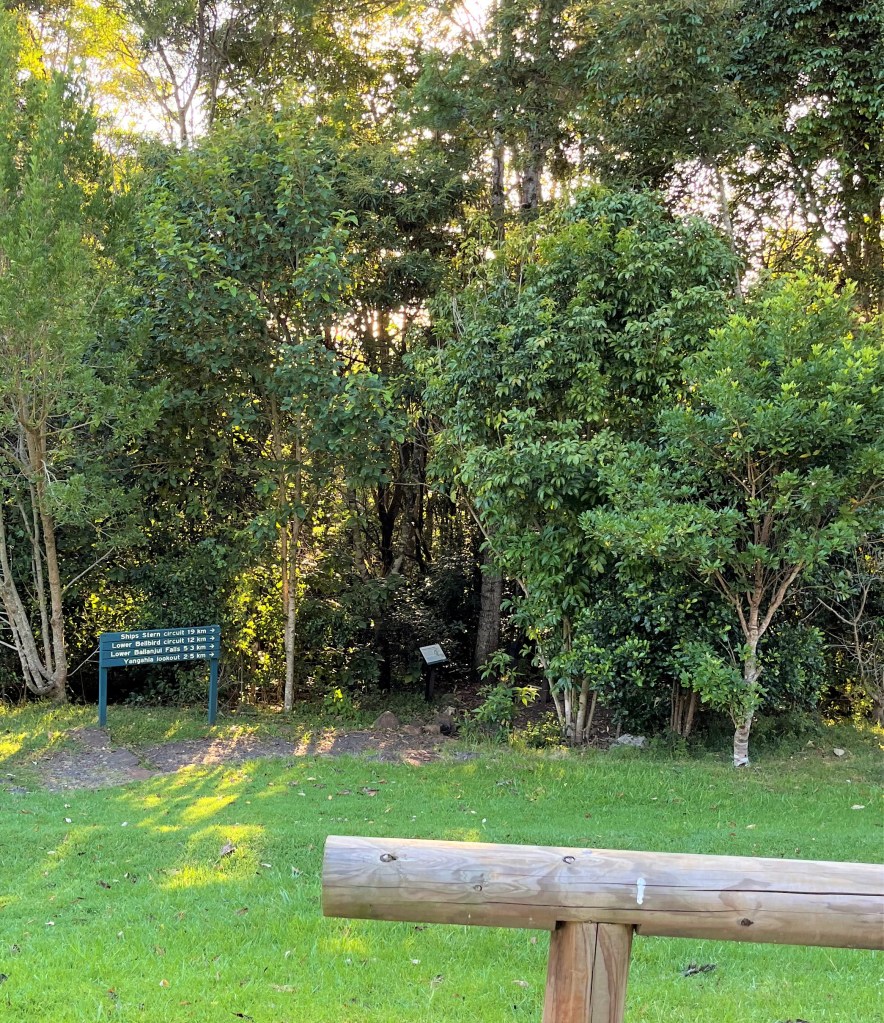
Let’s talk URBAN HIKING. Yep. URBAN HIKING

What is Urban Hiking?

Urban hiking is walking in a city – usually on a route you haven’t explored before – taking new paths, up hills, down stairs, through parks and reserves, following signs, seeing new things. Sounds pretty good huh?!

Urban hiking is easy to plan and execute. You can use maps, or simply start walking and see where the hike takes you. If you’re staying at a hotel, ask the front desk. Locals are very happy to point you in the right direction.

What Do You Need?

Urban hiking is a bit different to trail hiking.

  1. No Backpack. I do wear exercise tights with pockets so I can carry a mobile, glasses and ever present lip salve. If I’m feeling like a long urban hike I’ll dust off the bum bag (fanny pack). Food and water I buy as I need it.
  2. No Hiking Boots. I wear a hybrid or trail sneaker. I find that asphalt walking can be a bit harder on my knees and hips, so I like the additional padding a trail shoe provides. My latest find was at North Face, Vectiv Infinite Trail Shoes. Super padded and comfy. Another tried and true option is New Balance Fresh Foam Hierro v6. Both are great for urban hiking.
  3. Keep the Hat! I still wear a hat and sunscreen. I’m a child of the 70’s and we weren’t very sun smart back then. Skin protection is EVERYTHING. I use a full brim hat rather than a baseball cap.
  4. Time of Day. Is important for an urban hike. A city has so many personalities that change according to the time of day. I prefer early morning, but have also hiked later in the day for a change of pace. Don’t worry too much about distance, but look for interesting destinations, happenings, landmarks or people. This will create a great urban hiking experience.

Urban Hike #1 – Sydney CBD

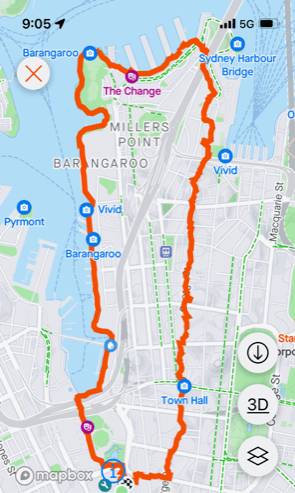
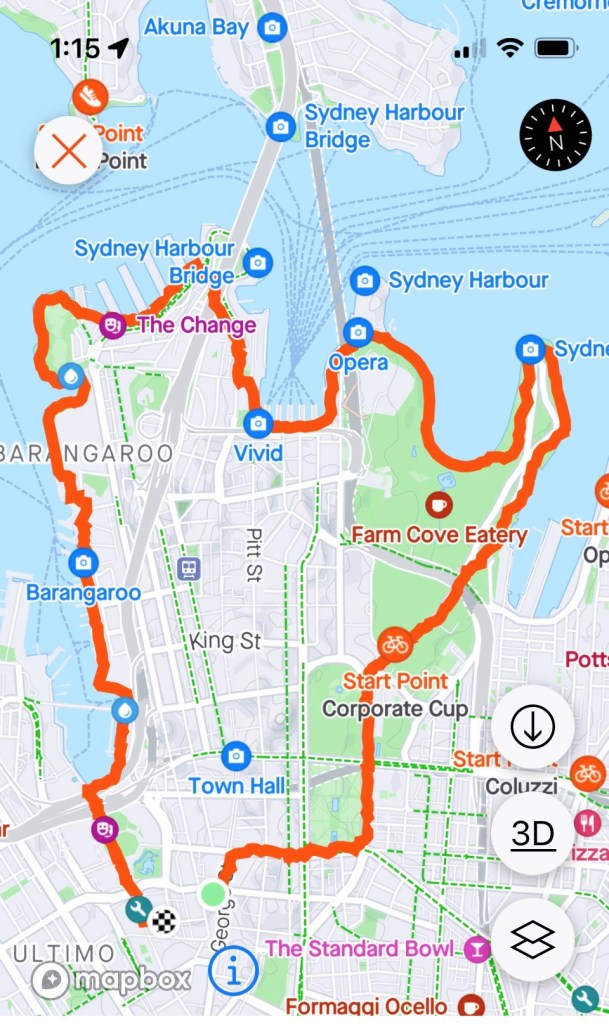
I was in Sydney for work and needed to stretch my legs. I mapped out a cheeky wee 8km urban hike which took in Darling Harbour, Barangaroo, Walsh Bay, the Harbour Bridge, The Rocks and the CBD.

Darling Harbour

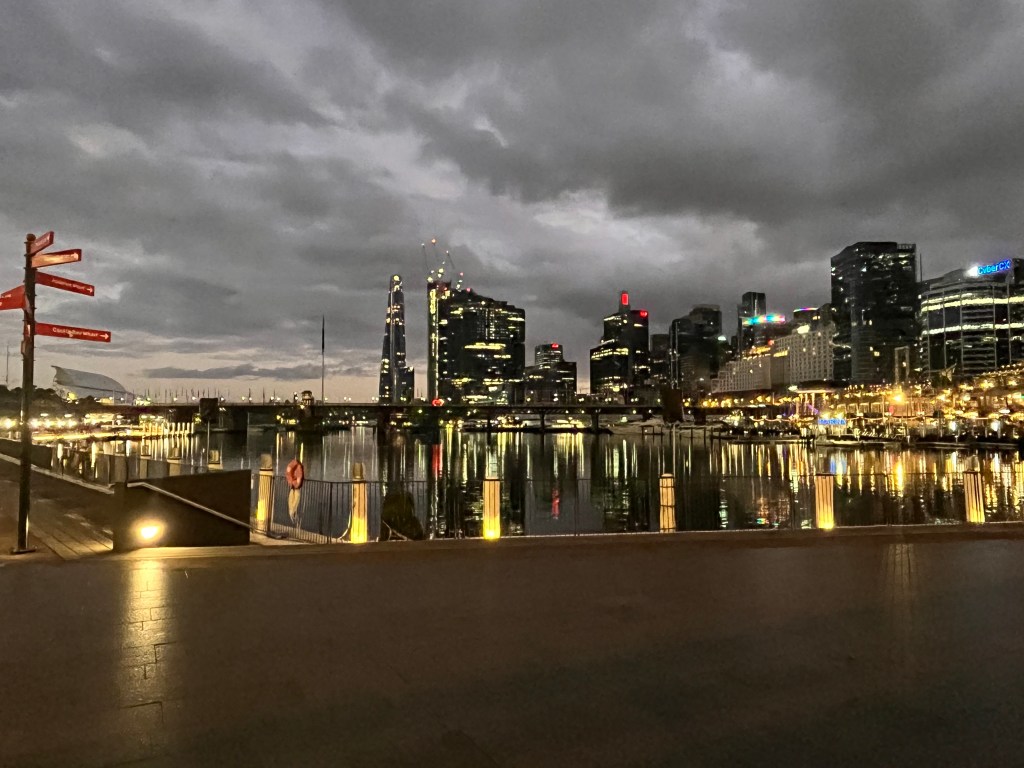
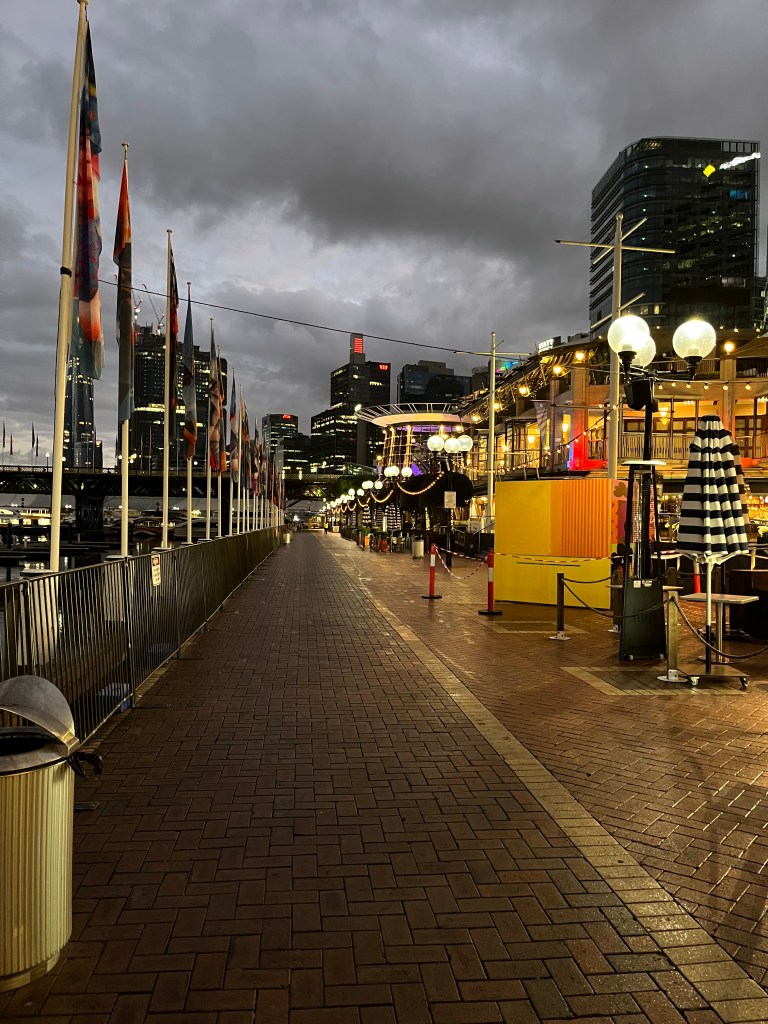
Always a favourite destination for either revitalisation or rest, Darling Harbour sits just west of the Sydney CBD. It’s home to restaurants, ships, parks, art trails, ferries, you name it. It was home to the maritime industry through the 1800’s, Sydney’s first gasworks and during the 1980’s underwent a decade long gentrification project.

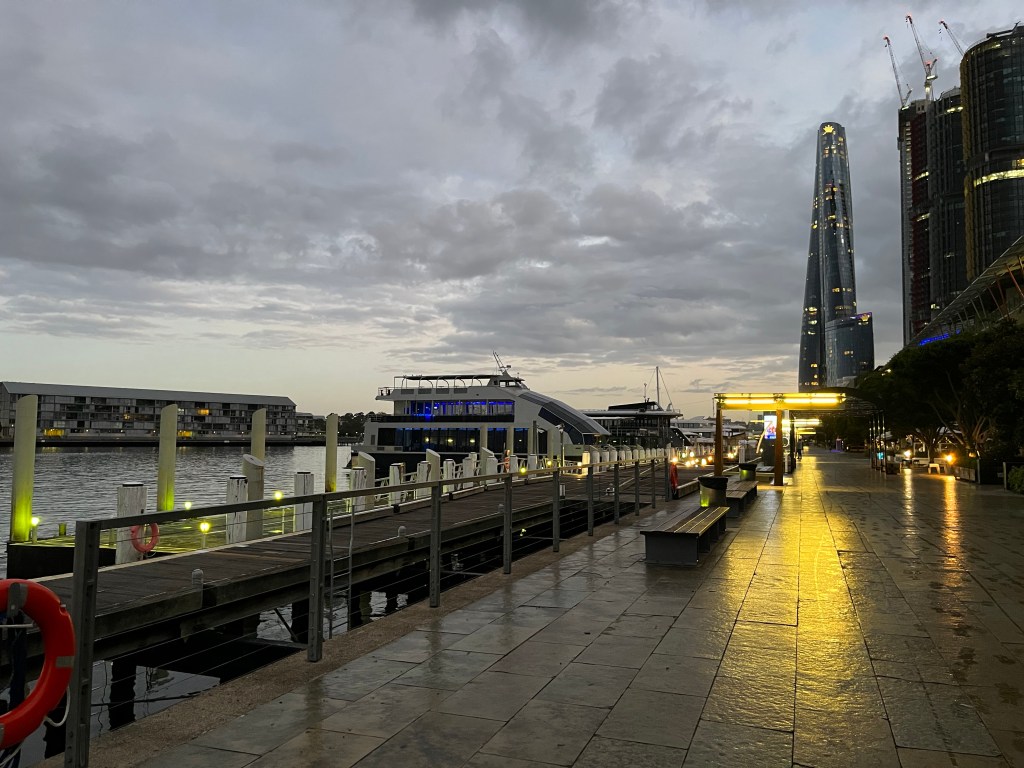
For about 3km I walked along the reclaimed wharf, past ferries and a very still harbour. At this time of morning it’s you, some keen exercisers and a whole heap of tradies coming down to work on the construction sites scattered around. It’s still a working harbour but very pedestrian friendly.

Barangaroo Reserve

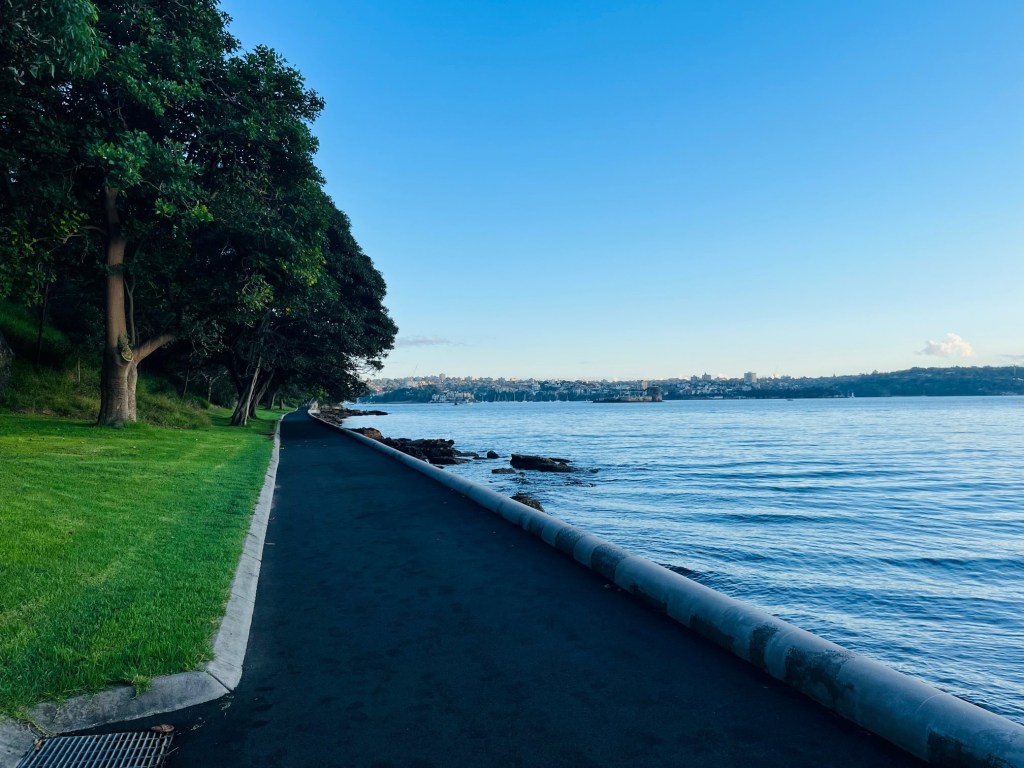
Barangaroo is part of Gadigal country and is named after a powerful female Cammeraygal leader of the Eora nation. Barangaroo Reserve is a landmark waterfront destination, made up of hotels, entertainment precincts, reserves and water. It’s marked by over 75,000 native trees and bushes as well as very distinct square sandstone blocks lining the foreshore. It provides incredible views onto the harbour and passing aquatic traffic. It’s a very visually powerful space to walk though at dawn.

Millers Point, Walsh Bay, Dawes Point

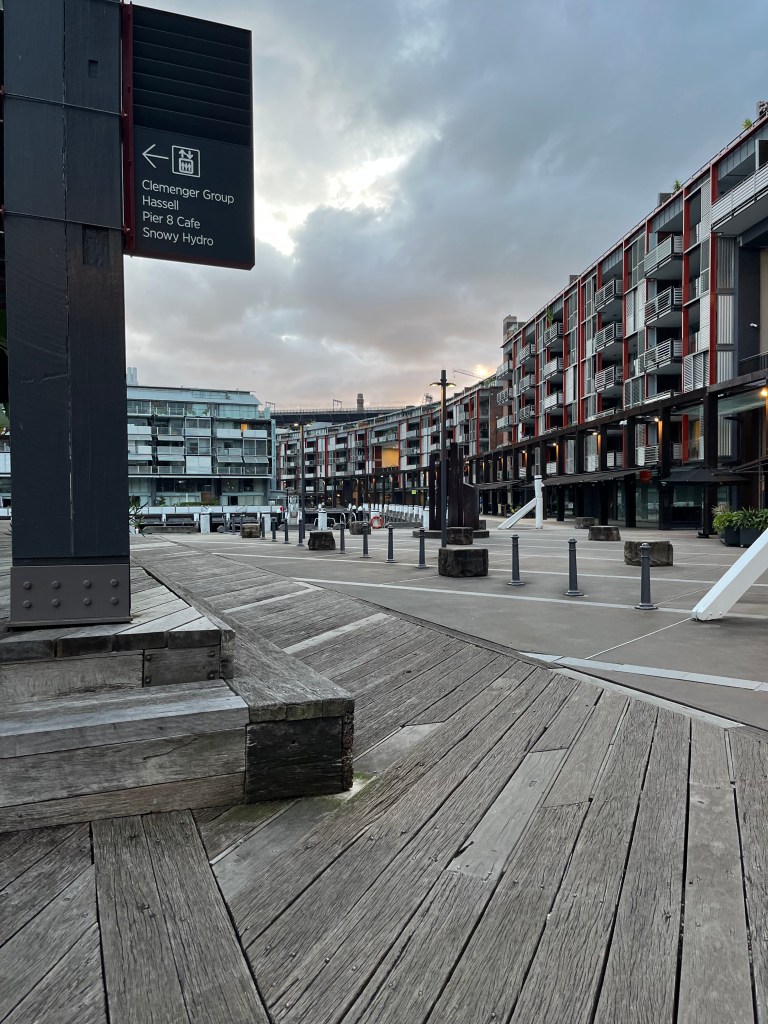
At about the 3.5km mark (just around the point you can see in the pic above), you will exit Barangaroo Reserve and enter Millers Point, then Walsh Bay. You could simply follow the road, but I try to stay away from roads wherever possible. With a little bit of trial and error, I found I could walk through the refurbished wharves in Walsh Bay, now home to cafes, residences and a cultural precinct. AND – you get to walk underneath the Sydney Harbour Bridge…!

The Rocks

Coming out of Dawes and Walsh Bay, the vibe is very historic and utilitarian. This used to be a working area, and the streetscape reflects that. One of the fun parts of this walk is actually walking right under the Sydney Harbour Bridge!

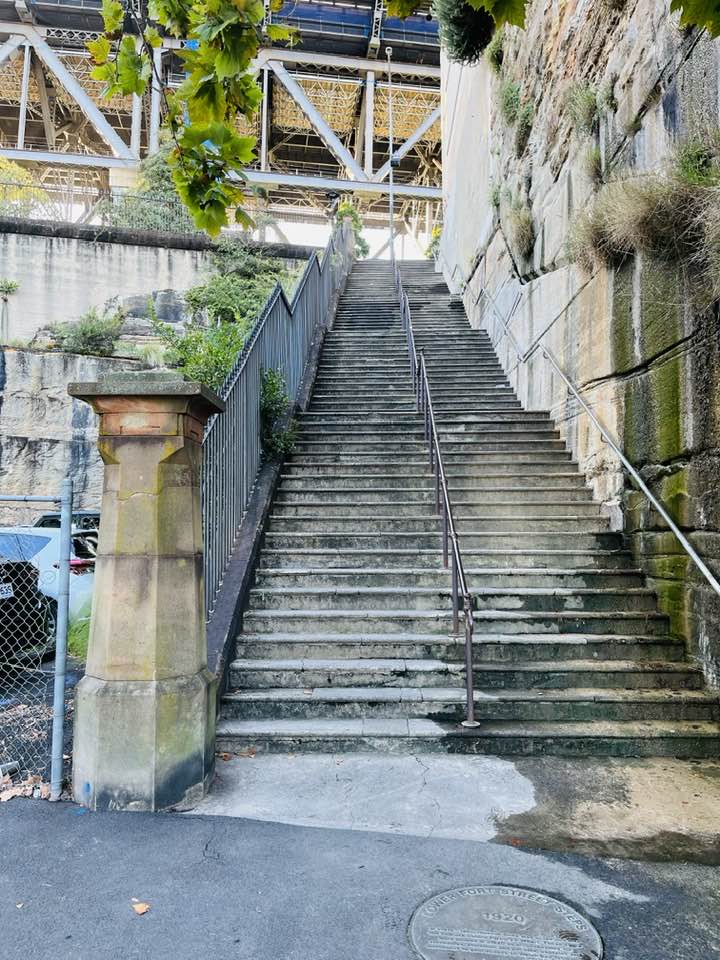
This would have to be one of my recommended destinations in Sydney. Nestled into the side of the sandstone headland supporting the Harbour Bridge, this tiny neighbourhood is a maze of historic laneways, colonial terrace houses, old pubs and a working harbourfront, dating back to 1788.

The Rocks is also home to a passenger ship terminal, The Museum of Contemporary Art and over 50 heritage listed buildings. Your urban hike might slow down a bit as you walk through this fantastic slice of Sydney history, or might even go on pause for a quick coffee break.

George St & Sydney CBD

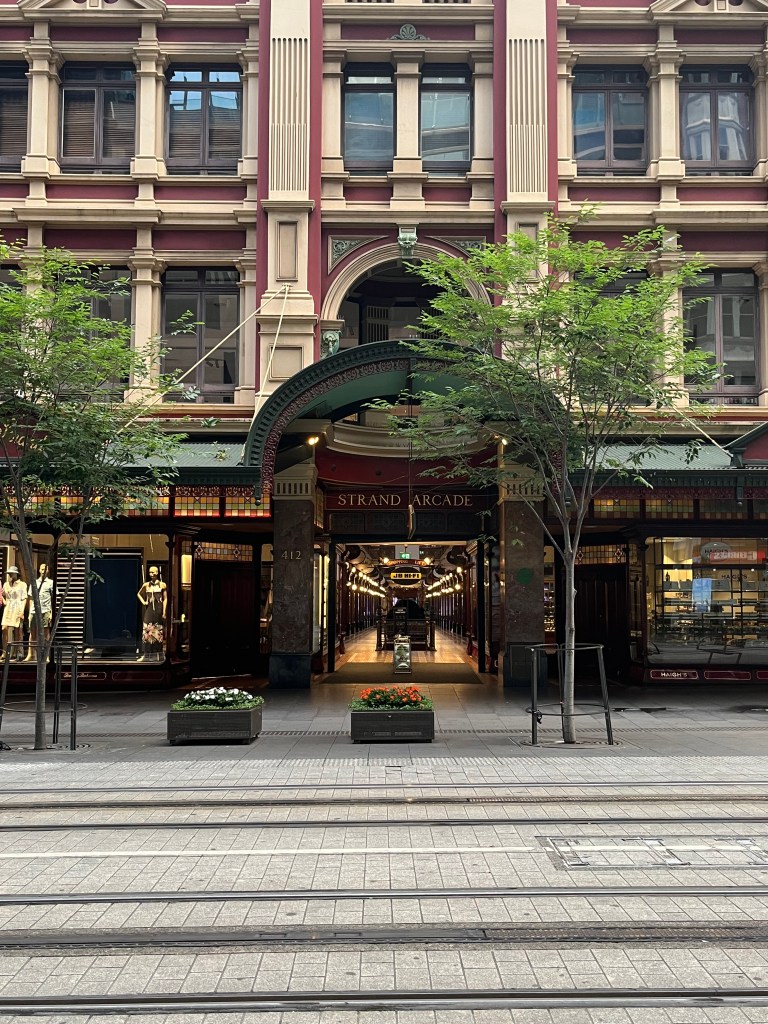
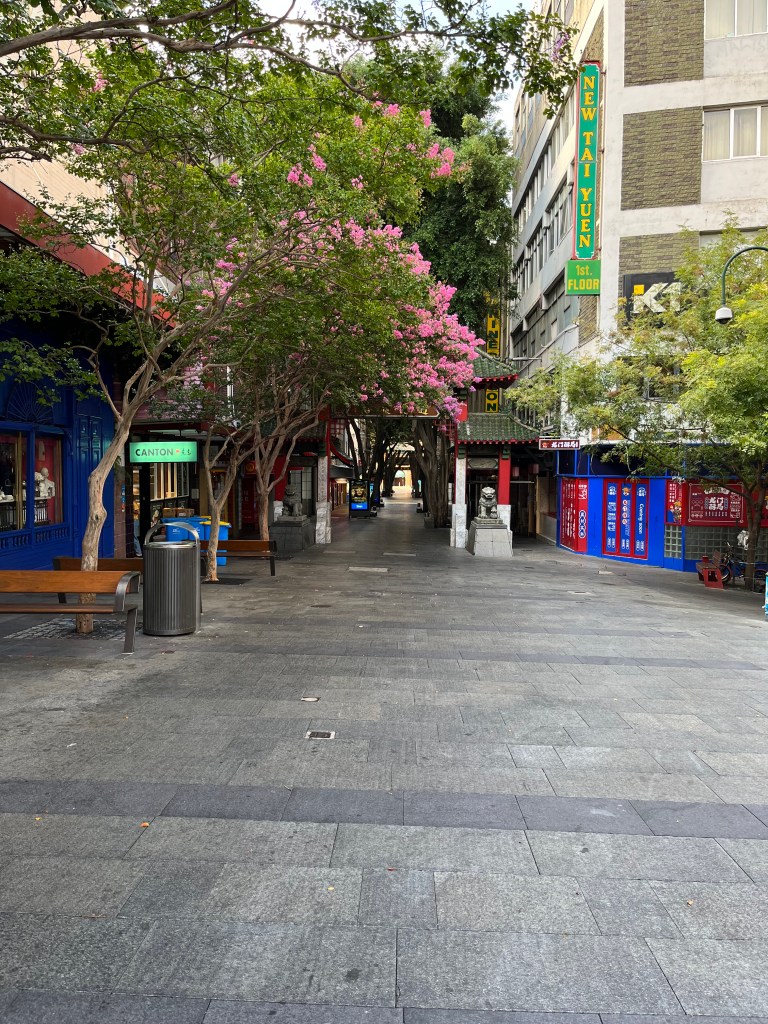
Once through The Rocks it’s a brisk troy up the middle of Sydney CBD via George St. Running for 3km from Circular Quay to Chinatown, it was Sydney’s original high street, and is still home to a number of the city’s most prestigious buildings and precincts. I walked George St around 7.30am and it was still relatively quiet, with only the first office workers trotting to work. By 11am, George St is awash with humanity. It’s mainly a pedestrian and light rail thoroughfare, so very easy to walk.

Compulsory Stop – QVB Time

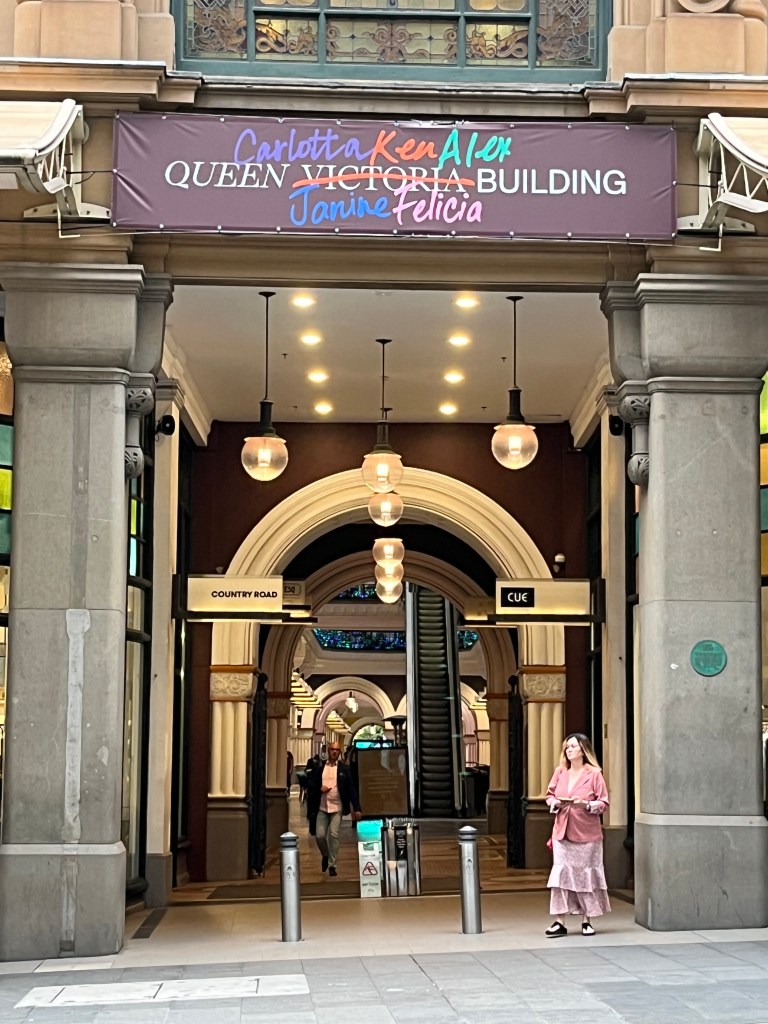
It was about 7km into my urban hike when I felt the need for sustenance. Another great destination in Sydney CBD presented itself – the Queen Victoria Building (or QVB in Aussie vernacular).

QVB is a five-level heritage listed building which is now home to premium retailers such as Bally, Camilla, Coach, Furla, Jimmy Choo, Longines, Georg Jensen, Dior – it’s a shopping destination! It’s also home to a range of eateries, and my breakfast destination.

My visit to Sydney coincided with 2023 Pride Week, so the city was packed with pride related activities, events and decorations. Hence the temporary re-naming of QVB.

Stopping somewhere on your urban hike provides two benefits:

  1. Sustenance, in both solid and liquid form; and
  2. An opportunity to people what, to get a sense of the flow in the area.

I had a quick but delicious breakfast and coffee at Manon Brassier, and watched a film crew outside the café as they hustled and bustled very busily filming an ‘as yet unnamed’ movie adjacent to the Queen Victoria statue. By now Sydney was well and truly awake with workers, shoppers, tradies and all the madness of a large CBD.

Last Leg

It was a final 2km up George St to Chinatown, past the Town Hall to my hotel and the start of my working day.

Sydney has a wide range of walking trails/tracks/areas for visitors to explore. I also love walking around the Opera House, the botanic gardens, the harbour, Woolloomooloo (yep, that’s a real place), the Domain, and there’s a great 10km circuit that takes in most of these places.

Take the time to explore your city – or take advantage of travel and explore a new city. You’ll be surprised at what you find.

See you next time out on the urban trails 🙂

PJ.

Going to Gondwana – Our Hike into the Distant Past!

Hello and welcome to my LikeToHike blog. I’m PJ and I write about the hikes I take, giving you insights, photos, commentary, tips and tools so you can enjoy hiking and embrace the experience.
Today’s blog is pretty special – we are heading into the Gondwana Rainforest!

Gondwana Rainforest is a cluster of 50 separate reserves stretching from Newcastle in the south to Brisbane in the north. Gondwana was World Heritage listed in 1986, and contains the remnants of the great rainforests which once covered the entire continent of Australia.

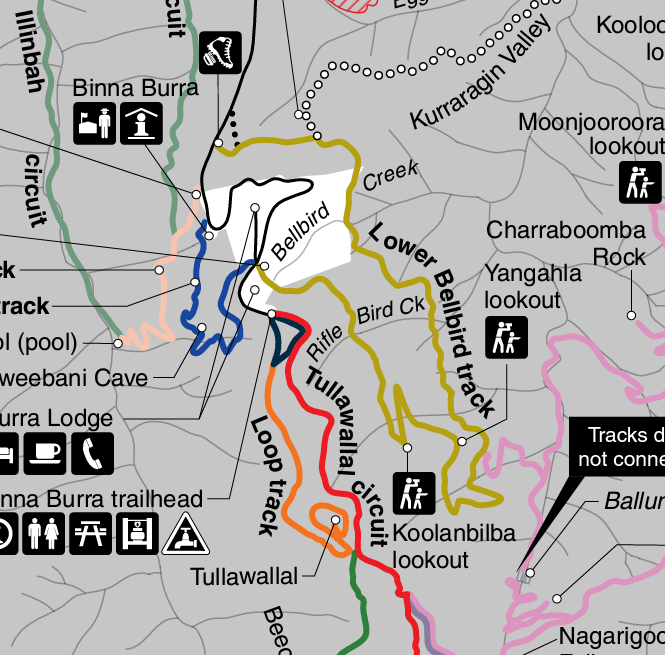
Gondwana is known for vertical stone cliffs, volcanic craters, inspiring waterfalls and a range of ancient flora and fauna. Included in the Gondwana footprint is Lamington National Park, and within that, Binna Burra. One of the many trails at Binna Burra is the Lower Bellbird Track – which is my blog for today…

Welcome to Lower Bellbird Trail

CAUTION

Binna Burra is SW of Gold Coast and close to the Qld/NSW border. The road up to Binna Burra was washed out about a year ago in heavy rains. The trip up takes over an hour to travel 55km as sections of the road are down to single lane and controlled by traffic lights. Allow enough time to get up and down the mountain.

We chose the Lower Bellbird Trail because 1) the name is lovely, 2) I prefer hiking circuits so you’re on new ground the whole way and 3) we wanted a trail that was over 10km long. We are in training for Kumano Kodo, so need to get some miles on the boots.

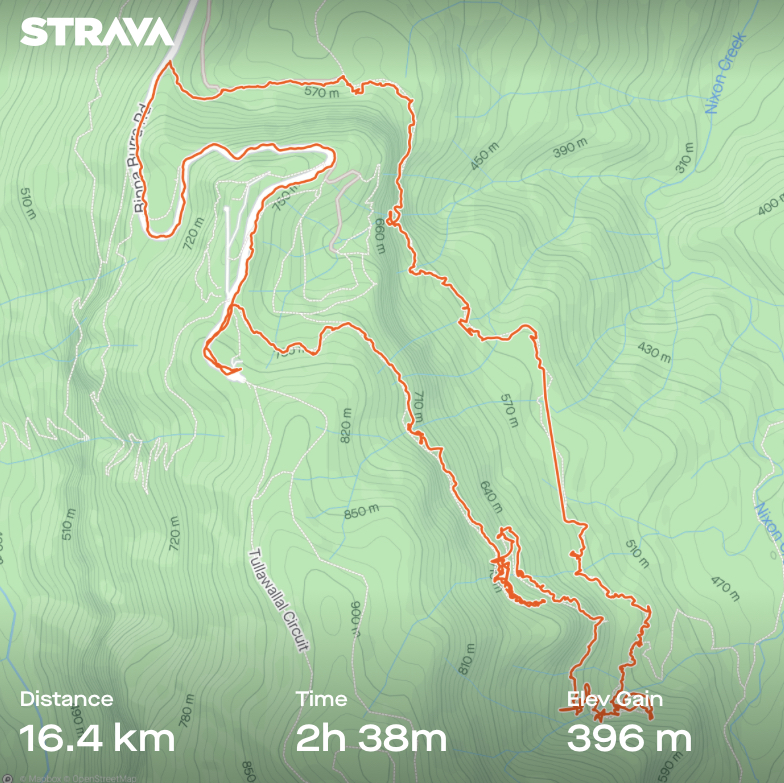
We hiked Lower Bellbird anti-clockwise, starting at the southern entry point, and looping south, then turning north, and finishing at the northern exit point.

TIP

It’s important to note that Lower Bellbird Trail doesn’t fully loop. Otherwise it would be called Lower Bellbird Circuit!
You will finish at a different place to where you started. We finished further down the mountain, and then walked back up the road to our car, which was at the southern entry point carpark. There are carparks near the southern and northern entry/exit points to Bellbird, but regardless where you park, you will still need to walk on the road to start or finish Bellbird.

Let’s Go!

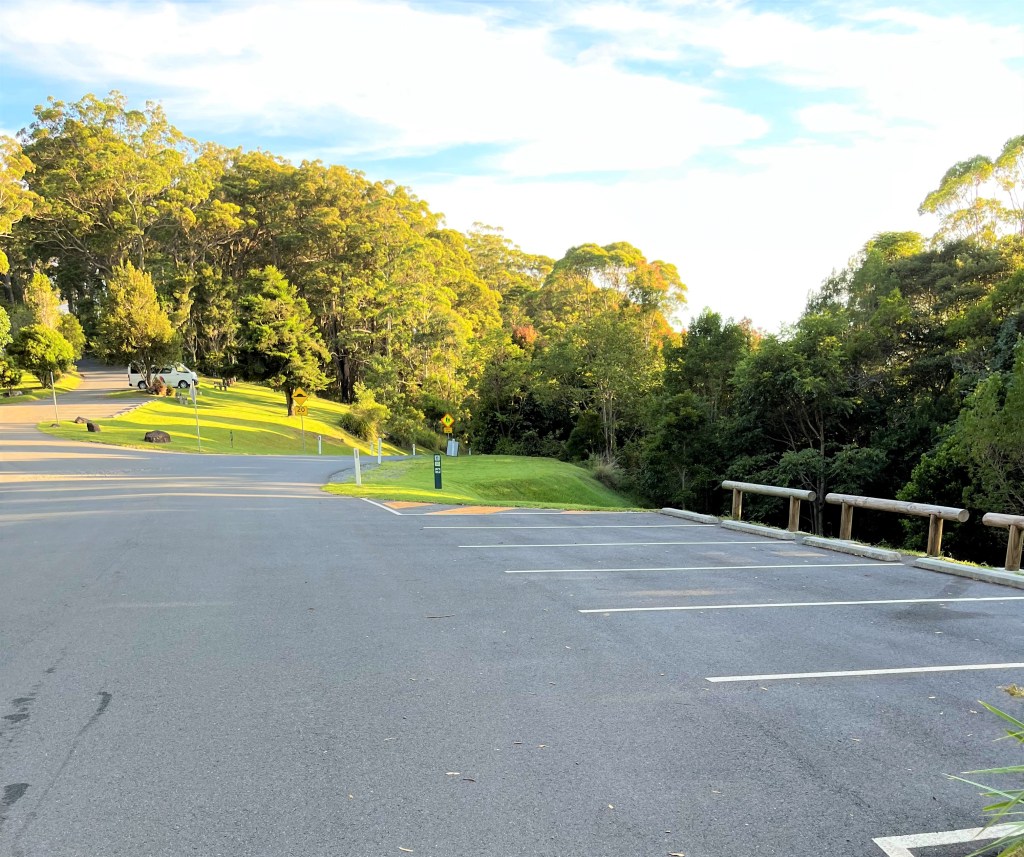
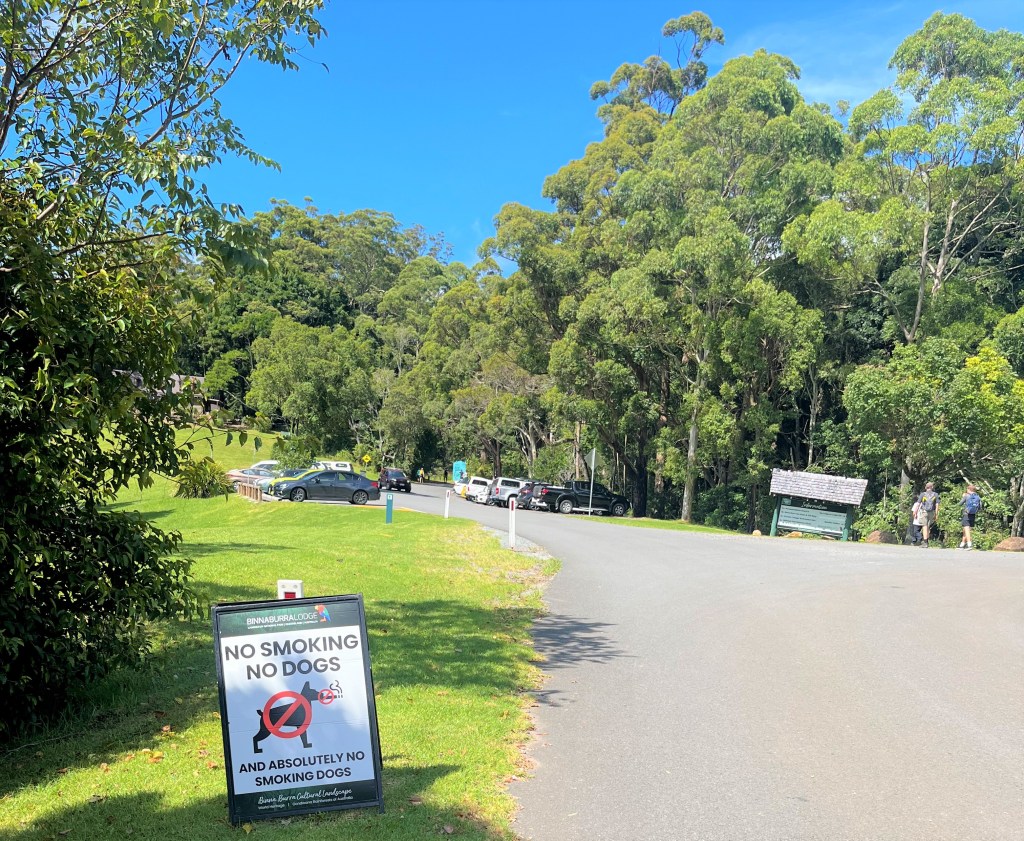
The Lower Bellbird Trail is well marked and easy to find. We started at 6am, and as you can see, no cars. By 9.30am when we returned, different story. Parking is limited so if you want a good park, start early.

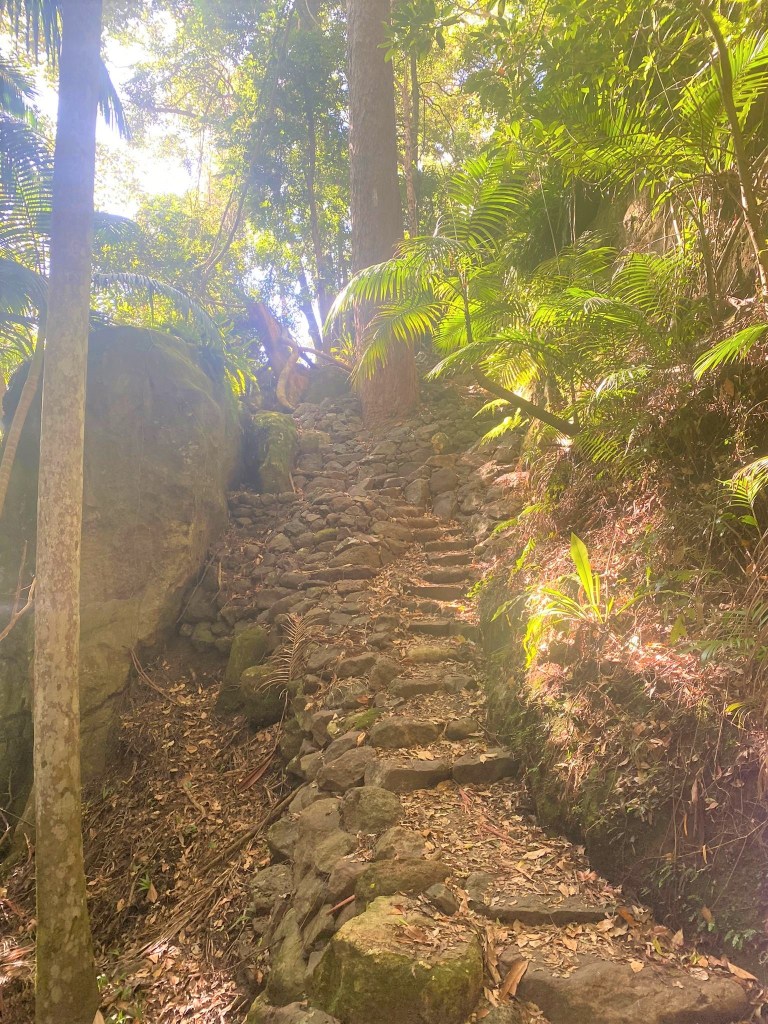
Binna Burra Lodge and the surrounding areas were developed in the 1930’s. Many of the hiking trails were built around the same time. Along some of the older trails you will see stones set into the side of the trail. I find these stones immensely reassuring, because if the stones are there, that means I’m in the right place!

stones = right trail

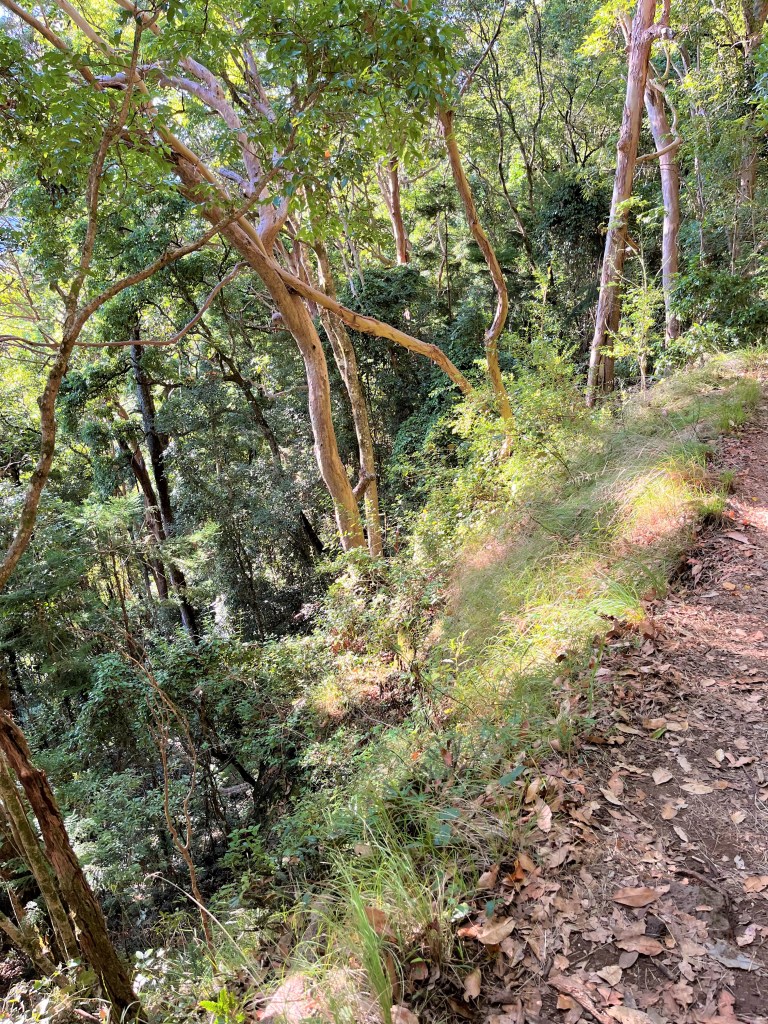
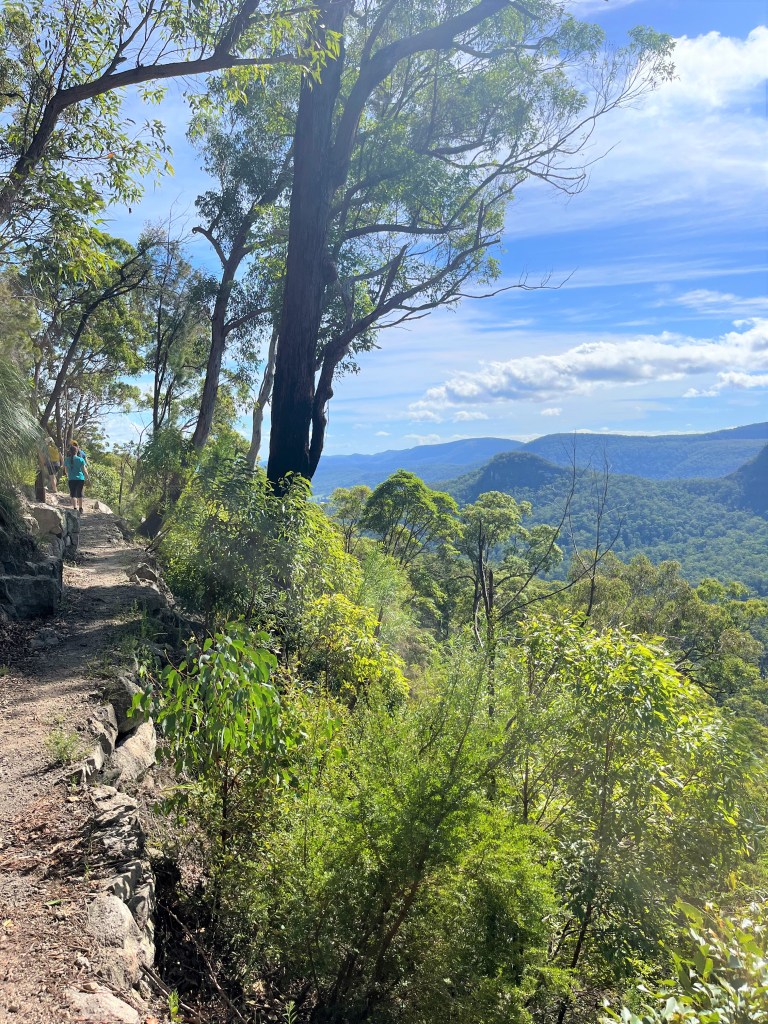
The first 2.8km of Lower Bellbird leads you down a gentle slope, under a beautiful forest canopy. It doesn’t take long to realise you’re in for a very special hike. The forest is dense and cool, and the bird calls are an assault on the senses. It wasn’t long before we got our first glimpse of the views. The trail was taking us long the side of a cliff face, not exposed but certainly high and that afforded us a view from the top of the world.

Lookout Spots – AMAZING!

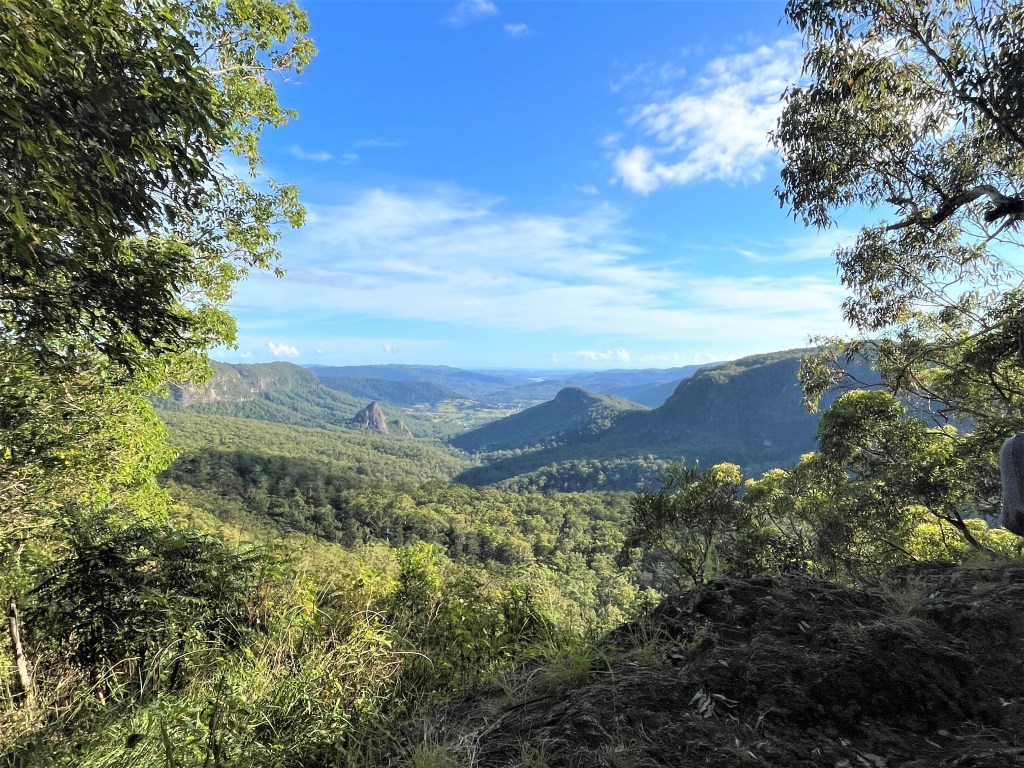
There are two lookout spots on the Lower Bellbird, Koolanbilba and Yangahla. Both are on the trail, so are worth a breather and a look. The signage at the Koolanbilba lookout confused me a little as it didn’t reference Bellbird at all, but you can’t get lost, there’s only one way to walk! The view is nothing short of amazing. There is a map at the lookout which explains what you’re looking at, all the way to the Gold Coast in the far distance.

TIP

The Lower Bellbird Trail is what I would call a medium challenge trail. It’s quite narrow and in parts there are natural obstacles like steep stairs, fallen branches, uneven surfaces, rather large spiderwebs (!) and my nemesis, cliff faces. It’s not aerobically challenging, but skill, experience and mettle challenging. I suspect because it starts and finishes at different points, it’s not as well hiked as other Binna Burra trail options so less well worn, but if you’ve hiked before and/or you’re agile, no worries mate!

Rock Formations – AMAZING!

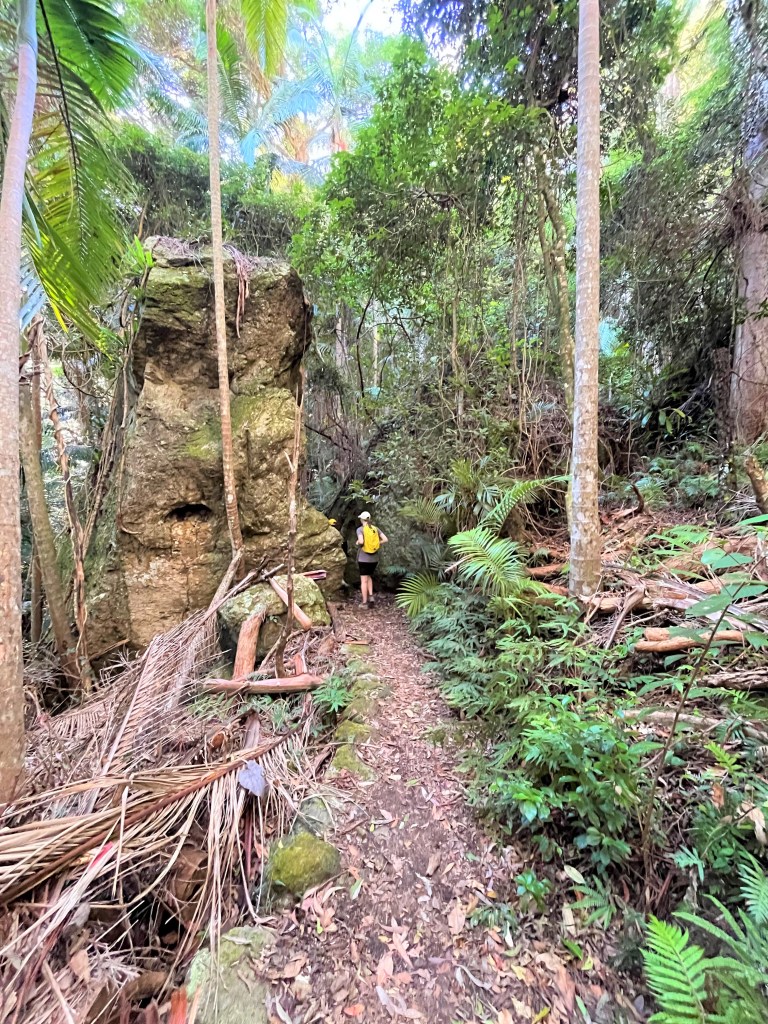
As I mentioned earlier, one of the features of the Gondwana Rainforest is the incredible rock formations. We walked past them, through them, down them, alongside them and under them. I am in awe of the men and women who created these trails almost 100 years ago with the simplest of tools and equipment – no Google or GPS…

Morning Tea Anyone?

If I hike for more than about 10km, I like to stop for a break. Usually when hiking a circuit, the break is at the top (or bottom) which gives you a chance to either catch your breath, or steel yourself for what’s to come. By around the 8.5km we had been walking gently downhill for about 90 minutes – which was lovely, but what goes down has to go back up!

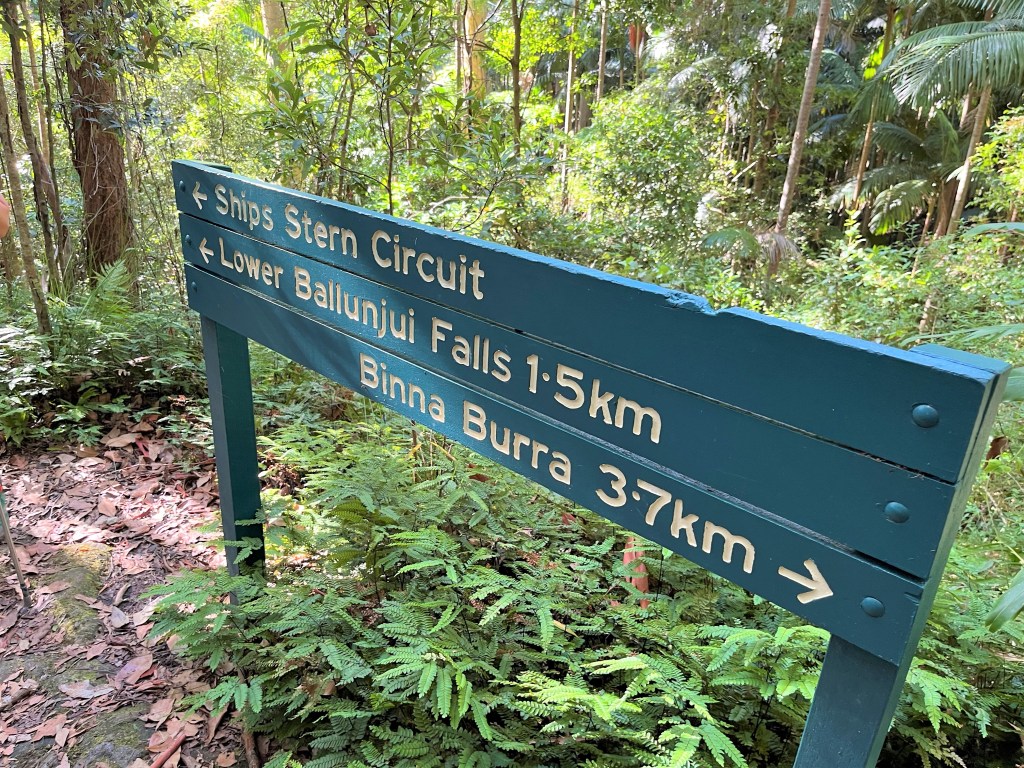
We arrived at the split between Ships Stern Trail and the Lower Bellbird Trail. Our trail was taking us up, so we stopped for a short break of apples, scroggin, iced coffee and marshmallows. (don’t ask, they were in the scroggin!)

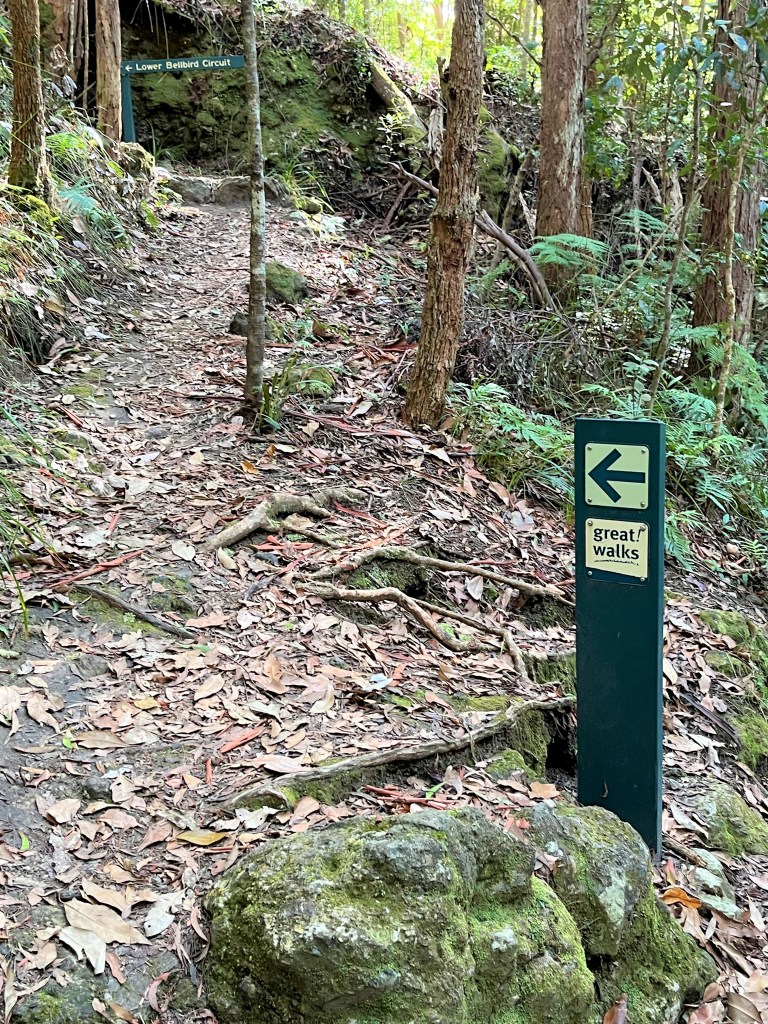
The signage around Binna Burra is pretty clear and our trail was well marked. You will start your hike upward around the 8.8km mark, but don’t’ worry, the first upward section is quite gentle.

Scarred Landscape

Australia is known globally for a few things. Kangaroos, drop bears, flies, BBQ’s and hot summers. Along with hot summers comes bush fires. The 2019-20 Black Summer bushfires were some of the worst recorded across Australia. In September 2019, a fast-moving bushfire swept through Binna Burra and burned homes, buildings, lodges and infrastructure to the ground. It also caused unusually significant damage to the surrounding rainforest. Every Australian knows the smell of a bushfire and the visceral fear it can create. Blackened tree trunks identifies a bushfire area and can remain as evidence for many years.

Stone Cliffs – AMAZING!

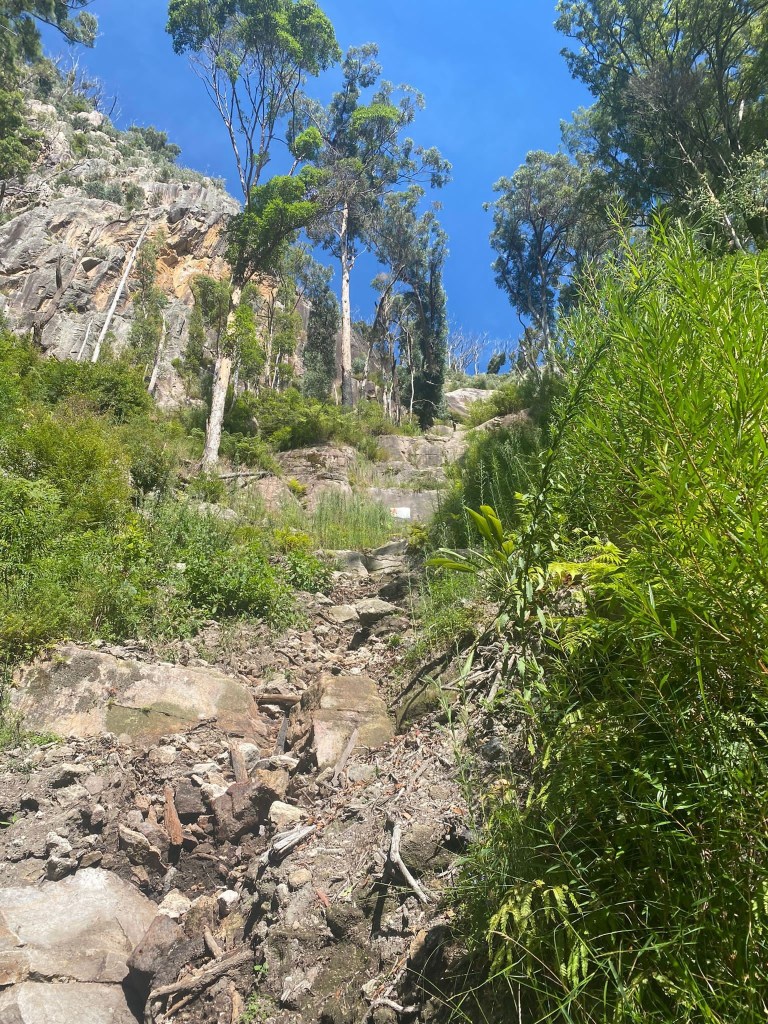
After walking up a gentle incline through a lovely carpet of dry leaves and another cool rainforest canopy for about 3km, we came across a very imposing set of stone cliffs. The cartographer in me was eyeing up the stone cliffs with some trepidation as I couldn’t see how we were going to traverse our way up and out. What I didn’t know was the trail hugged its way around the stone cliffs to the north, and then turned left into the forest.

The cliffs have regular rock falls, so signage asks you not to stop as you move through two key sections. The feel of walking this section of the trail was very imposing as our human frailty was very much in evidence when compared to eons of rock formations.

Dairy Farm in a Rainforest??

Around the 13km mark, we came out into the most picturesque clearing…in face my niece SB likened it to the Twilight Meadow, and you can see what she means. All we needed was sparkly skin and we would be in a movie set!

I read somewhere that part of the Lower Bellbird used to be a dairy farm, and this clearing definitely had a relaxed bovine vibe to it. We could have plonked here all day and just revelled in the ambience.

PS – it was at this point we saw the first hikers walking the other way. Up to this point, we hadn’t passed anyone!

Back to Reality

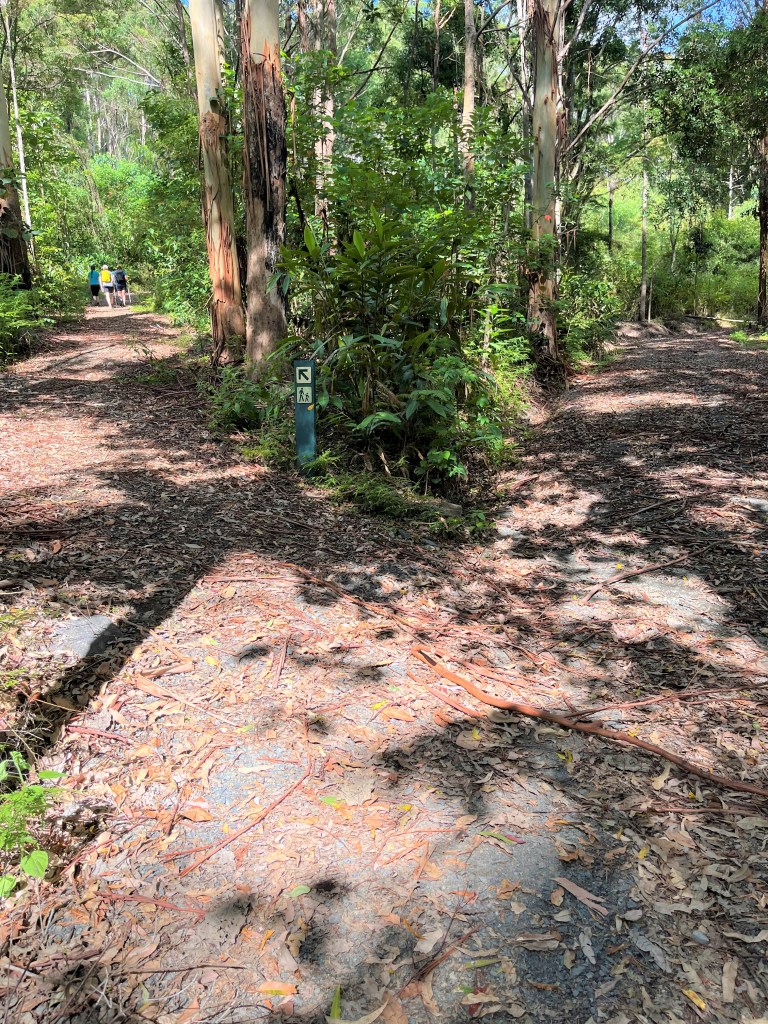
The last section of the trail is a gravel access road going up from the Twilight Meadow to Binna Burra Rd. It’s only about 1km from the meadow back to reality. There is a slightly confusing fork in the gravel road, with an arrow to the left, and the gravel road continuing straight ahead. We studied our print map and decided that both led back to the road, so we took the recommended left turn.

Rubber to the Road

Oh my.

We weren’t anticipating the uphill hike back to the carpark.

We exited Lower Bellbird at the first “x marks the spot”. We had to walk back to the carpark, which is the second “x marks the spot”. The difference? 2.5km. Up. Or as I described it to my hiking buddies “just a bit further!”

However, the views from the road our over Lamington were fantastic , and we could just see where we finished Lower Bellbird, circled in blue. Thankfully it wasn’t a hugely aerobic hike, otherwise the last leg up the road would have been painful.

TIP

I would recommend you plan for this last section. Either allow for it at the start, or as we did, at the end. Unless you have a driver on call, you will be walking 2.5km on the road at some stage as part of your Lower Bellbird hike.

So, What Did We Think?

I give this trail two thumbs up. So do my hiking buddies TB(sister), SB and MB (nieces). It’s a visually stunning way to spend 3 hours – even the road section views are awesome.

We saw such a range of Australian forest history, walking in a rainforest that has been in existence for thousands of years *mindblown*

We were serenaded with a cascade of forest sounds. We heard whipbirds, green catbirds (very unnerving, they sound like babies crying), cicadas, bullfrogs, kookaburras – and a whole lot more we couldn’t identify but enjoyed nonetheless.

We had the trail to OURSELVES! We didn’t see hikers until we were in the Twilight meadow. That never happens. It was our own little bit of rainforest fabulousness. Forest bathing uninterrupted. yay.

FINAL TIP

It’s great to support local businesses when you hike. We try to buy a coffee, a snack, a map, a hat, and spend our dollars as we hike. If you go to Binna Burra on a Sunday, stop in afterward at the Beechmont Farmers Market (3rd Sunday of the month). hey offer a range of local products and services. I can recommend the Beech Mountain Distillery stand, they do a mean Lemon Myrtle Gin!

Wrapping Up

So there you have it. Binna Burra in a nutshell. Take the time to drive up to Binna Burra and explore the trails. You won’t be disappointed.

See you next time out on the trails.

PJ

PS – remember last time I was talking about one of the benefits of hiking being good muscle tone? Well, I managed to face plant on the footpath walking the dogs last week, and gave myself a spectacular black eye.

I also banged my hand, knee and shoulder but guess what – NO BROKEN BONES 🙂

Told ya – hiking works.

Why Hiking Saved my Sanity – and the 5 Hiking Benefits You Need to Know!

Hello and welcome to my LikeToHike blog. I’m PJ and I write about the hikes I take, giving you insight, photos, commentary, tips and tools so you can enjoy hiking and embrace the experience.
So, I bet you’re wondering, how did I start hiking, and more importantly, why do I keep doing it?

Well, the second part of that question is easier to answer than the first part, but let’s see how we go.

CAUTION

In this blog I’ll be talking a bit about my own hiking journey and life, some of of the personal things I discovered along the way and doing some “sharing”…..which I’m sure you won’t mind…if you aren’t feeling the vibe, skip and I’ll see you next time!

How Did I Start Hiking?

I used to be a runner. Not a lithe, lean, easy runner but a hot, sweaty, ungainly one. I thought that running was the only way to keep fit and healthy. And I did enjoy it. Somewhat. Apart from the chafing, sore knees, sore hips, constant bra issues and blisters.

What really ticked the boxes was being outside, feeling the seasons, moving through different landscapes, having different terrain underfoot, seeing different people and things.

As I transitioned from my third decade into my fourth, I decided there had to be a better way to keep fit and enjoy the outdoors. So, I just slowed it down. I went from running (jogging!) to walking. Albeit fast walking. I found that I had more time to see, feel and experience what was happening around me.

It gave me time to reflect, to ruminate, to problem solve, to de-stress and to mentally and emotionally breathe.

TIP

When you start walking/hiking, some of the apps and tools available make a big difference to your experience. I have used sites like AllTrails and TrailHiking, and apps like Strava and Relive to research and then track my hikes. It makes it feel “real” and in a way, validates what you are doing. If you want to go all in, most apps have a community you can connect with and exchange trails, hikes and performance data.

In the middle of my fourth decade I was travelling for work. A lot. Walking was my excuse to explore new cities and towns, to find the walking trails, the rivers, the beaches, the forests and the bush. Every time I packed my suitcase, I threw in my sneakers and my walking gear. So, now I was a walker. Note quite a hiker. Yet.

Clockwise – Canungra, Brisbane & Sawtell (Australia), Havelock North (NZ) and Berlin (Germany)

Hello Hiking!

About eight years ago, a work colleague and I had the bright idea of putting a four-person team in for the Gold Coast Kokoda Challenge, which is an endurance event held in the Gold Coast hinterland.

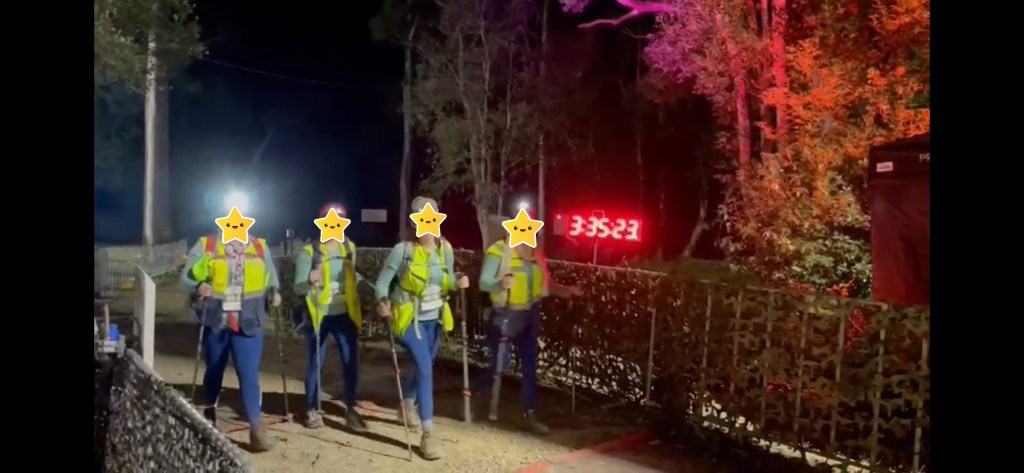
Yes, it was about fundraising and developing professional and personal relationships, but it was also about committing to training and pushing, both mentally and physically. We trained as a team for six months – every weekend and sometimes during the week, all through a Queensland summer, then hiked 48km non-stop in July, starting at 11am and finishing at 3am the next day.

And it was FANTASTIC!

However, if you want to try hiking for the first time, maybe aim for something a little less hard core. But then again….there’s a lot to be said for jumping in boots and all…

So, Why Do I Keep Hiking?

When I went from my fourth decade into my fifth, some things happened. I got fat. Not super fat, but about 20kg worth. Some was diet and lifestyle, but most of it was age and stage. I was still walking, but hormones were dictating the direction, not me.

I did realise that if I wanted things to change, it was up to me to create the environment, the conditions and the outcomes.

So, what were the things in my world that brought me pleasure, and what were the things I really didn’t like? What did I want in my life? What were my non-negotiables?

The good news? Husband, child and the two dogs made the cut. So did hiking.

The bad news? The unwanted weight didn’t make the cut. Neither did the job I didn’t like, the commute I hated, the stress, the gaslighters and the crappy food.

At the end of 2021 I made a commitment and embarked on the “year of me”. As this isn’t a self transformation blog I’ll park it there, but by the end of 2022 my goals were met – and hiking played a big part.

Back to the top five benefits of hiking that YOU NEED TO KNOW!

1. Self Esteeem

Nope, the first benefit isn’t weight loss. It’s actually about you. Your confidence, your self esteem. We live in a fast paced world, driven by social media and impossible standards which presume to tell us all the things we aren’t doing well. Or correctly. Or at the right time. Or the right way.

Hiking makes you feel good about you. You’re in charge of the hike. It’s all about where you want to walk, when you want to walk, how fast, how long, with whom and why. You’re in charge of everything. This provides an incredible push of confidence. Embrace the new experiences….

2. Shinrin-Yoku

My favourite pastime. Forest bathing. A phrase coined in Japan about 40 years ago to describe the process of taking in the forest atmosphere to combat tech burnout and reconnect with the natural environment. I love embracing the calm and quiet in the bush, listening to the sounds and just being. Everywhere I hike has a soundtrack, and I love tuning in.

The best part? You don’t need to hike 20km to enjoy the benefits of shinrin-yoku. Try the park down the road. Sit. Listen. Enjoy.

Forest Bathing in a park in Melbourne, Australia

3. Stress Reduction

Told you, weight loss probably won’t make the top 5…

A common by-product of our busy lives is stress. In Australia right now, we have cost of living and mortgage stress as inflation creeps and a recession may be on the horizon. Job security, job performance, family, relationships, being perfect. Its a tough ask.

Hiking gives you a reason to park all that for a short while. Boots. Backpack. Hike. Rinse and repeat. Concentrating on a hike means your brain has less time to worry endlessly about the above. When I hike I’m focussed on my feet, the trail, the trees, the map, my poles, hydrating, saying hello to people and generally what’s happening around me. I unplug from all the “things”.

Less stress. It works.

Springbrook National Park, Queensland

4. Muscles and Bones

It’s a fact of life that as we get older, muscles and bones age also. Strength, density and tone become more important, especially for women. Toned muscles support bones. How many times have you heard about that nana who tripped and broke a wrist? Or that auntie who rolled an ankle? Good muscle tone might not prevent the fall, but it will help minimise the damage.

Hiking is an activity that encourages good muscle development and maintenance. Uneven terrain, hills, slopes, valleys, steps, rocks – they engage and encourage muscle tone in legs, arms, back, feet and core. All the good places.

5. Sense of Community

Rounding out my top 5 benefits of hiking is a sense of community. A sense of belonging to something bigger than you.

Hiking is a popular pastime and offers some incredible events and opportunities on a global scale. You can hike Everest, slog the Kokoda Challenge, shinrin-yoku the Nakasendo Way or commit to the Camino Trail – there’s a hike for you and a fantastic network of like-minded individuals who will be cheering you on. If you haven’t participated in a hiking event, I can highly recommend it., Having a shared purpose and common experience is something very special.

Hiking gives you entry into a community of people who not only accept you and your goals, but actively encourage and support your endeavours. Pretty cool huh?!

Wrapping It Up

So there you have it.

My top 5 benefits of hiking that you need to know. Keep in mind, this is my top 5, and have come from my hiking journey of discovery. Everyone has a different journey with different experiences and milestones – which is the fun of it.

See you next time out on the trails.

PJ.

PS – weight loss is definitely a benefit – but it’s a result of hiking – not the reason 🙂

CONQUERING THE TE MATA GIANT – ONE SCARY STEP AT A TIME

Hello and welcome to my LikeToHike blog. I’m PJ and I write about the hikes I take, giving you insight, photos, commentary, tips and tools so you can enjoy hiking and embrace the experience.

Today we are tackling one of the more ‘interesting‘ hikes I’ve done, located in the North Island of New Zealand. It’s not a long hike but wow, it was challenging – and not in the way you would think.

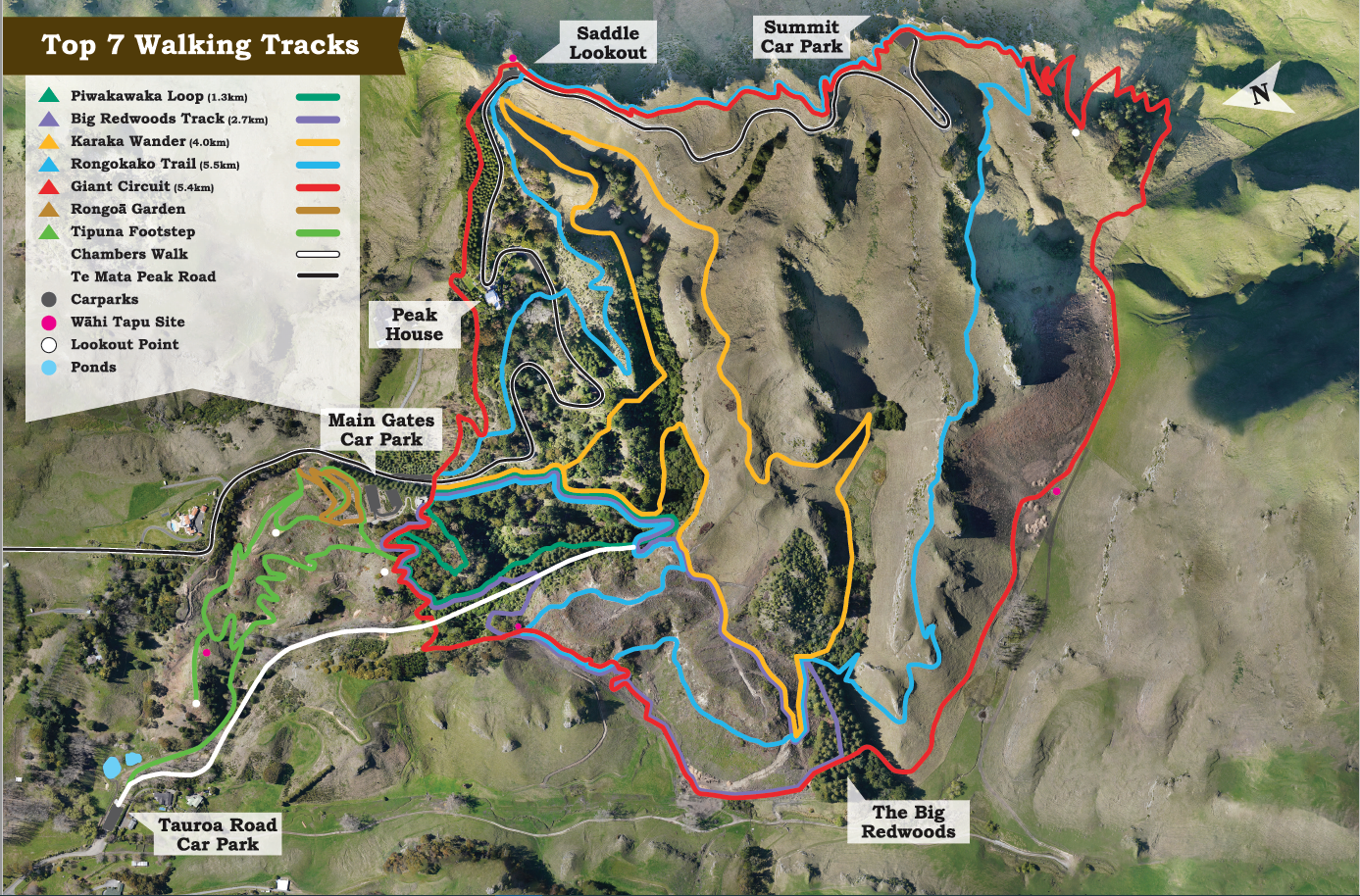
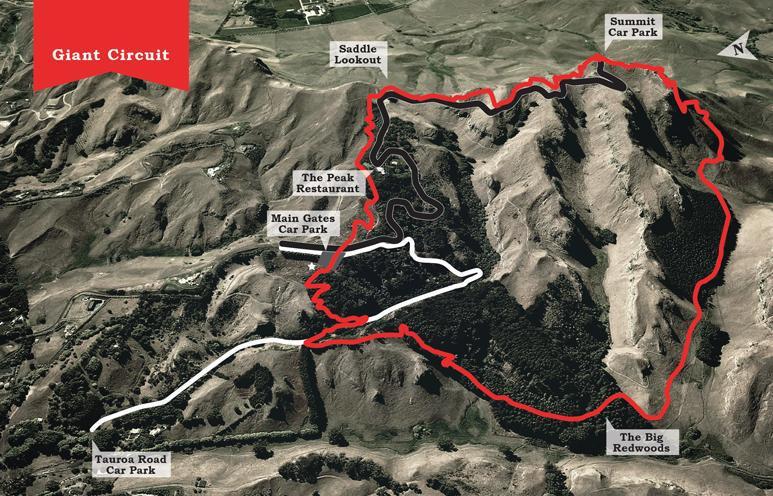
Welcome to the Giant Circuit on Te Mata Park, located in the beautiful Hawkes Bay. This is a 5.5km trail that will have you smiling, smug, surprised, suffering, swearwording and satisfied all within a two hour timeframe.

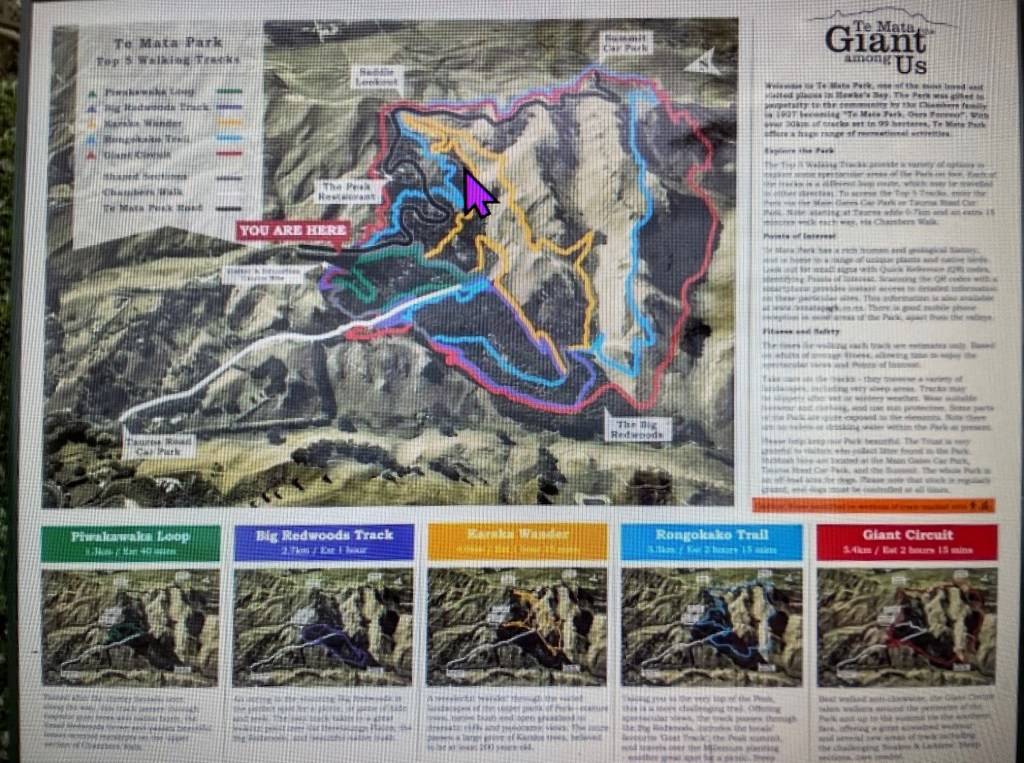
Before you grab your backpack and boots, have a look at the Te Mata Park website at http://www.tematapark.co.nz. There are a lot of resources including maps of the trails through the park and some handy information.

Upon Arrival

First things first. To access the trails in Te Mata Park, make your way up Te Mata Peak Rd from the charming cafe village of Havelock North. The road is twisty and narrow, so take your time. You’re looking for the Main Gates Carpark.

Like many popular hiking spots on weekends, just follow the stream of cars and outdoor enthusiasts. There are some great info boards up at the carpark to assist you with planning your hikes.

Map at Main Entrance

CAUTION

I hate to be a Debbie Downer, but this carpark area is very well used, not only by hikers but day trippers and people just out for a cruise. As a result, petty theft from cards tends to be a frequent occurrence. Take the usual precautions and don’t leave valuables in sight in your car when you depart. This rule applies to every hiking carpark you frequent.

Starting The Giant Circuit

I was lucky enough to have a hiking companion with me for the Giant Circuit., which is always nice when exploring new trails. It was also a godsend as I got really stuck on a section of the Circuit with a “frozen legs my god its steep” moment. But more of that later…

I hiked this trail with my sister – TB. She’s a great hiking partner as we are about the same age (give or take), fitness level and generally the same enthusiasm for hiking.

Technically you can hike the Giant Circuit either way, but it’s recommended to hike counter clockwise. We hiked in the afternoon in early autumn which is a fantastic time to be in New Zealand and outdoors – a balmy 16 degrees, no humidity (!) and a slight breeze.

Te Mata Peak makes the most of its natural surrounds and has a strong Ngati Kuhungunu importance. Ngati Kuhungunu is the local iwi (tribe) traditionally centred in the Hawkes Bay region and also Wairarapa which runs south of the Bay. It’s important to acknowledge the land, the culture and the history and embrace the overall experience as you hike Te Mata. Being surrounded by such rich history makes a hike that much more enjoyable.

Easing Into It

Several of the trails run concurrently and then split at certain points in the park. The trails are clearly marked with their respective colour and you’ll see the red market for the Giant Circuit as you hike. Another fun fact is that the whole of the park is an ‘off leash’ area for dogs. Which is unusual. So don’t be surprised if you’re greeted by a groodle or surprised by a staffy…

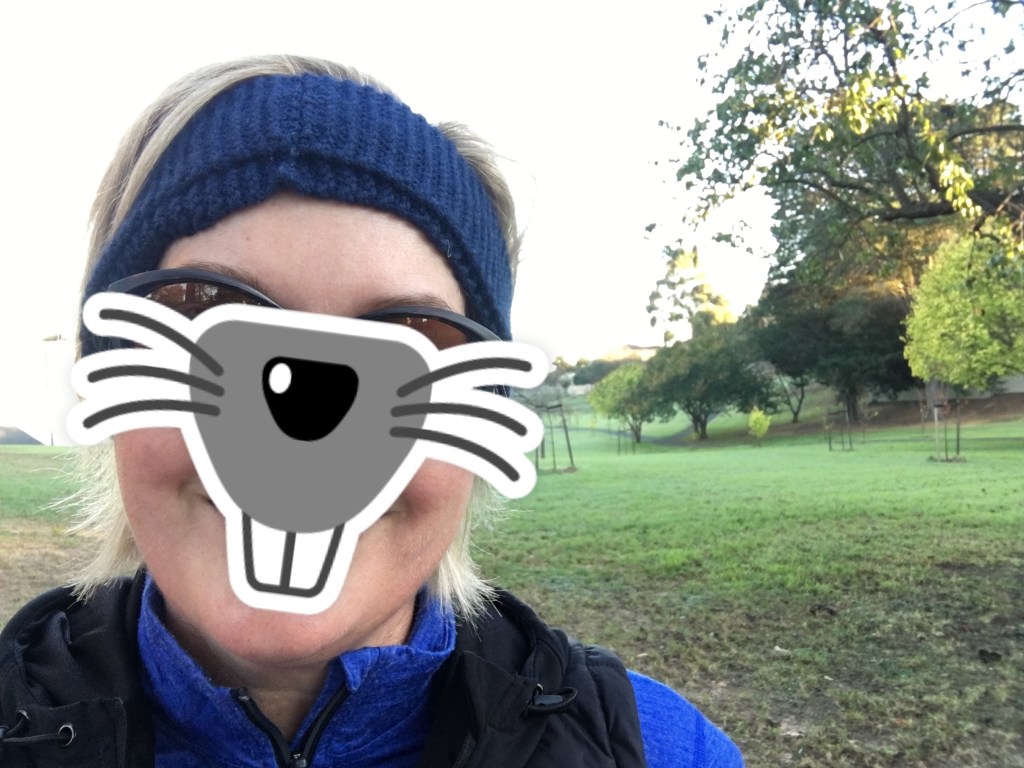
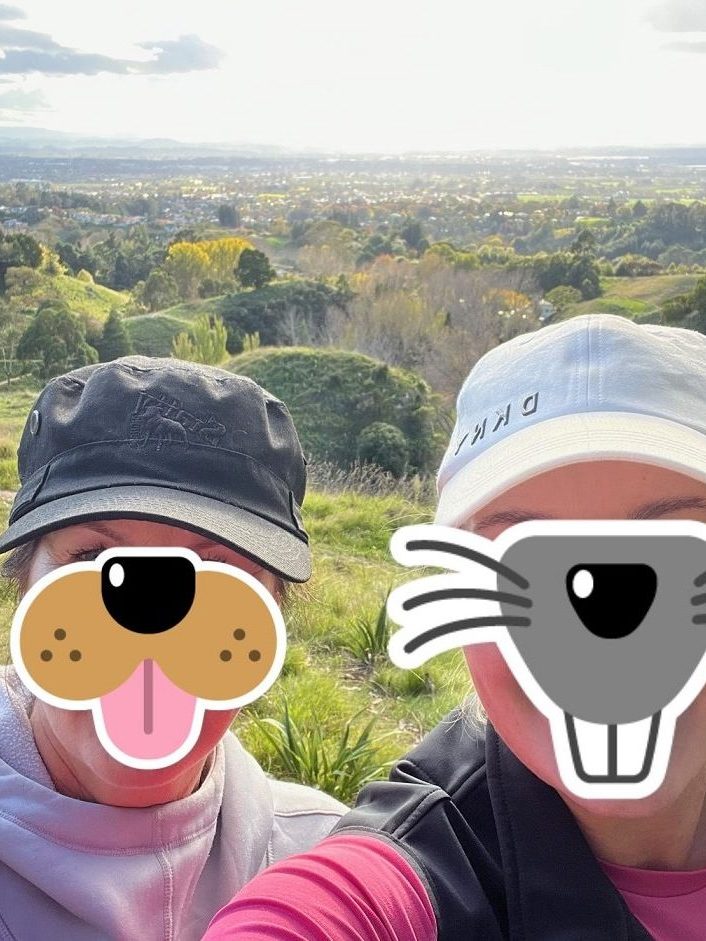
Who are those masked hikers?!

TB and I set off counter clockwise and the first section of the trail takes you gently down into a gully, past some great vantage points for views over Havelock North and Hastings.

The shorter trails are all in this initial section which is a densely wooded gully, with lots of lovely twists and turns, and loops back to the carpark. You can start on one colour, intersect with another and take a new direction. They myriad of trail colours on the main map brings a sense of anticipation of what may unfold.

TIP

Take advantage of short trails and circuits to introduce hiking to your family, your kids, friends or colleagues. Short hikes of 2km or less are not so intimidating and give hikers the chance to try new equipment, clothing or shoes with minimal risk. My son loved bush walks when he was young – it gave him the opportunity to express his sense of adventure and be “in charge” of our destination.

The Big Redwoods (Te Hau Valley)

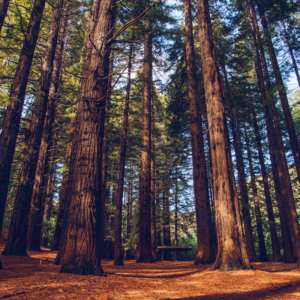
About 1.6km into your hike, welcome to the Big Redwoods copse.

The redwoods were planted almost 100 years ago and make for an ethereal section of the Circuit. They provide natural shade and you’ll see some cute huts and lean-tos made by kids playing in the area. The Te Mata Park website mentions the Redwood copse being used for weddings, events and even plays! When you enter it, the vibe is rather incredible.

If you continue walking in a general southerly direction toward the opposite side of the redwood copse and keep your eyes peeled, you’ll spot the Giant Circuit red marker. You will feel its taking you away from the park and into farmland, and you’d be somewhat correct. Part of Te Mata Park is farmland. Complete with sheep. And fences. And more sheep.

The Gully

So far, the Giant Circuit was a gentle, pleasant hike. TB and I were walking, chatting and enjoying the outdoors. Our pace was pretty quick as the terrain was mostly either downhill or flat.

The beauty of walking in New Zealand is the incredible terrain scupted by eons of volcanic activity. A bird’s eye view of Te Mata Park shows the land pushed together like ruffled fabric, resulting in rugged peaks and valleys. Think Lord of the Rings! Hiking in these areas means you’re either on the top of a peak, or walking along the floor of a valley, or traversing between the two.

Had studied my maps more closely, I would have realised where the gully was heading. And possibly turned around…

TIP

I always take a photo of the information panel when I arrive at a hike. Regardless of mobile coverage, I then have a photo of the map which I can blow up and scrutinise at my leisure. I also take a print copy of the trail map. Call me old fashioned but a printout is a great backup.

‘Snakes and Ladders’

You will arrive at the base of the Snakes and Ladders about 4.5km into the hike. Now I’m not sure of the origin of the name, I remember reading somewhere that the park ranger who created the track named it – and TBH – you need a ladder to get up the blimmin thing! It actually starts off quite gently, and after all, the hillside was scattered with sheep, how hard could it be?

It’s about now I will apologise. I didn’t take many photos from here, I was concentrating more on the track, my feet and balancing….then recovering!

It’s a steep, sharp switchback climb up the side of the largest peak in the Park. This track takes you up the southern face to the Summit, where the views are unrivalled.

Here’s where things got a bit hairy. I’m not amazing with heights. You know that prickly, hot, clammy feeling you get in your hands and feet? Yep, that’s me.

As the track narrowed from a comfortable width down to one that was only about 25cm wide, I knew I was going to struggle. Thankfully it didn’t phase TB at all. One of us kept her cool…

So, I didn’t look back/down, and used the vegetation to balance my climb. I think I zoomed up this section in a time to rival an Olympic runner. I just wanted it over and done with.

TIP

If you find yourself on a section of a hike that you’re not comfortable with, take a moment to centre yourself and make a decision to focus forward. If you don’t like super steep climbs and feel nervous, focus upward, and lean into the track. I use strong vegetation as a tool to balance. Not to pull myself up, but as reassurance that I’m grounded and stable. KEEP MOVING!! The hill isn’t going to get any smaller and you magically won’t float to the top. Every step forward is an achievement and when you’re done – breathe…

Summit and Saddle Lookout

The view from the Summit almost made Snakes and Ladders worth it. If you google Te Mata, most of the imagery is from this vantage point. This is why hikers and trekkers LOVE New Zealand. It was quite windy on the day TB and I hiked, so be prepared for some gusts as you walk along the Summit toward the Saddle. There is also a carpark at the Summit, so don’t be surprised when you heave yourself over the last couple of rocks, you are greeted by five curious tourists watching your efforts. The view from the Saddle Lookout is again – spectacular. You’re on the homeward section now, so spend a moment, have a sip of water and drink in the vista. *boomtish*

CAUTION

The section of track from the Summit to the Saddle Lookout runs adjacent to the road. Don’t be tempted to walk on the road (as many day-trippers do). You’ll be competing for space with a constant flow of cars going both ways. Enjoy walking on the track and continue with your Giant Circuit hike.

Interesting to see that the road really hasn’t changed in 100 years….

A Quick Peek at Peak House

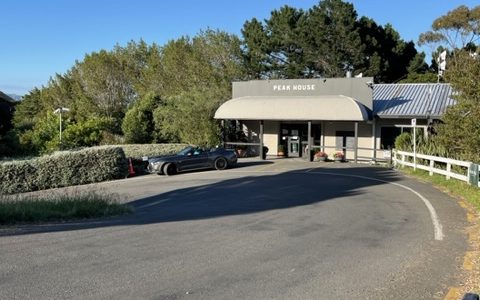
The final section from Saddle Lookout to the Main Gate Car Park takes you through a lovely wooded area and past Peak House. Built as a destination venue in the late 1960’s, Peak House now offers coffee, meals and in the afternoons, a great bar and live music. As you can imagine, the views from their balcony make that glass of Clearview Reserve Chardonnay taste divine.

Nope, I didn’t stop but maybe next time…

After two hours of walking, climbing, sheer panic and recovery, TB and I arrived back at the car.

This is a great circuit to hike, not for the fainthearted (or those a little bit unsure of cliff faces) however the sense of achievement is worth the push.

Pat yourself on the back, you’ve just completed a fantastic hike, enjoyed the outdoors, perhaps tried some new gear for the first time. You’ve definitely done your steps for the day and embraced the experience.

Love and thanks to my bestest hiking buddy TB – and see you next time out on the trails.

PJ.

THE HIKE TO GET YOUR LEGS PUMPING & HEART THUMPING

Hello and welcome to my LikeToHike blog. I’m PJ and I write about the hikes I take, giving you insights, photos, commentary, tips and tools so you can enjoy hiking and fully embrace the experience.
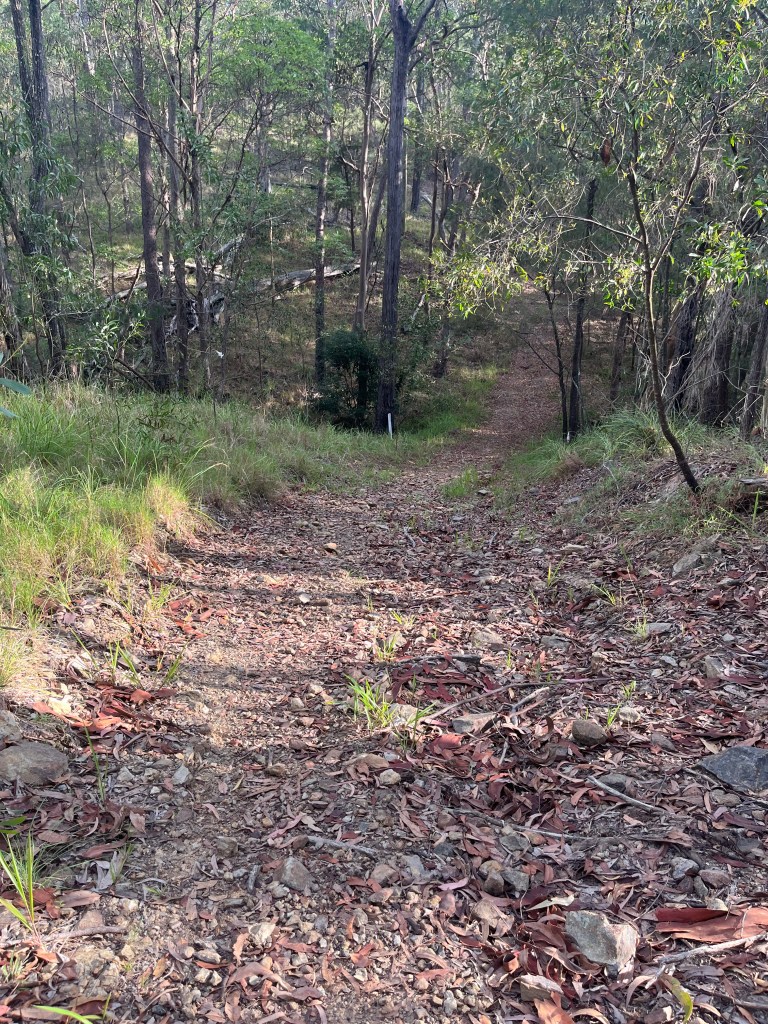
Today I’m going to write about a cheeky wee 6km hike in the Nerang National Park on the Gold Coast, Queensland. The Nerang National Park is home to a great range of trails, and is popular with hikers, runners, bikers, families, training groups and everyone in between.

This 6km circuit is one I do regularly, simply because its a great, snappy cardio workout with four dry creek gullies, a short sharp climb and a gradual descent back down to the finish. You can knock this hike off in under 90 minutes depending on your fitness, and you get to experience some lovely scenery.

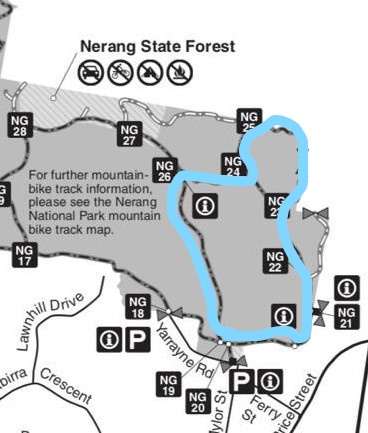
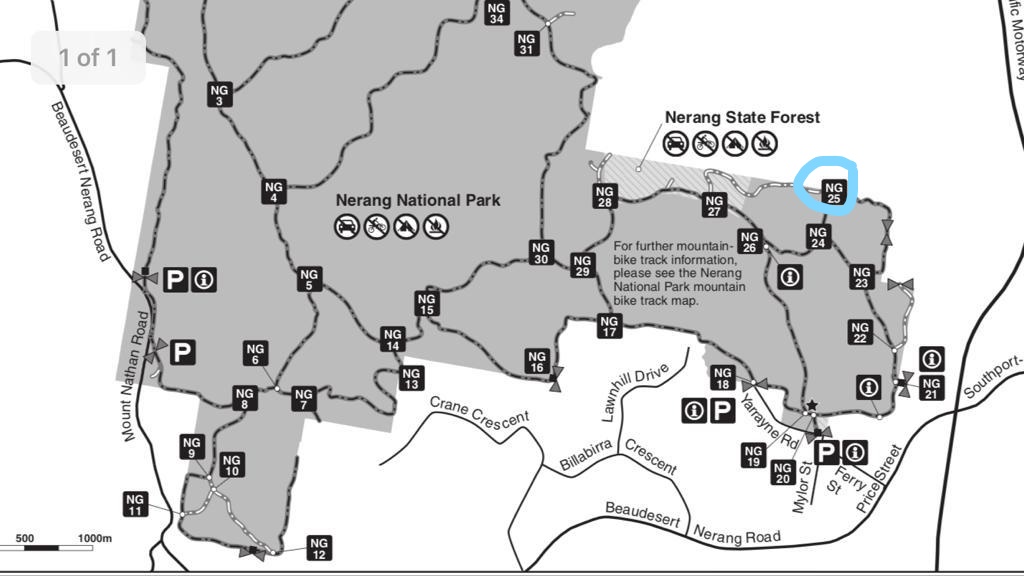
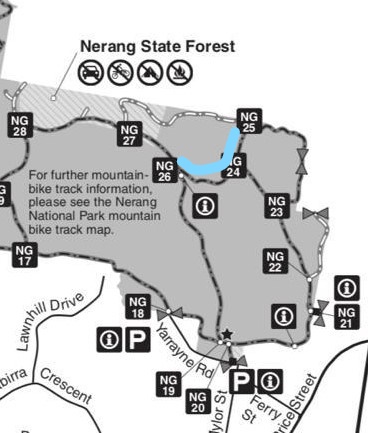
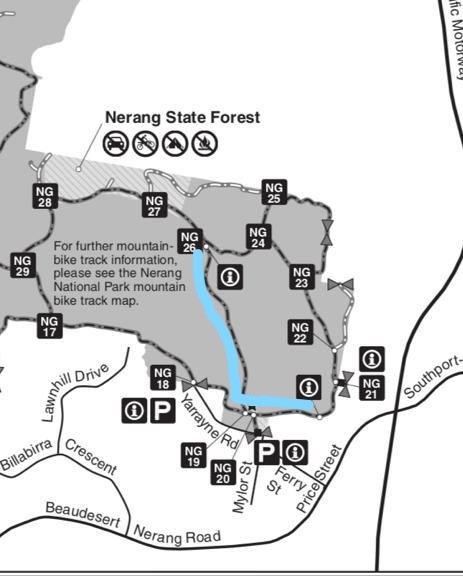
There are some map resources on the Queensland State Government website here, and below is the official map of the area. It’s not the best for hiking detail, but gives an overall picture with my lovely blue overlay. My pic on the right shows where the hike is in relation to the map.

Let’s get into it!

Upon Arrival

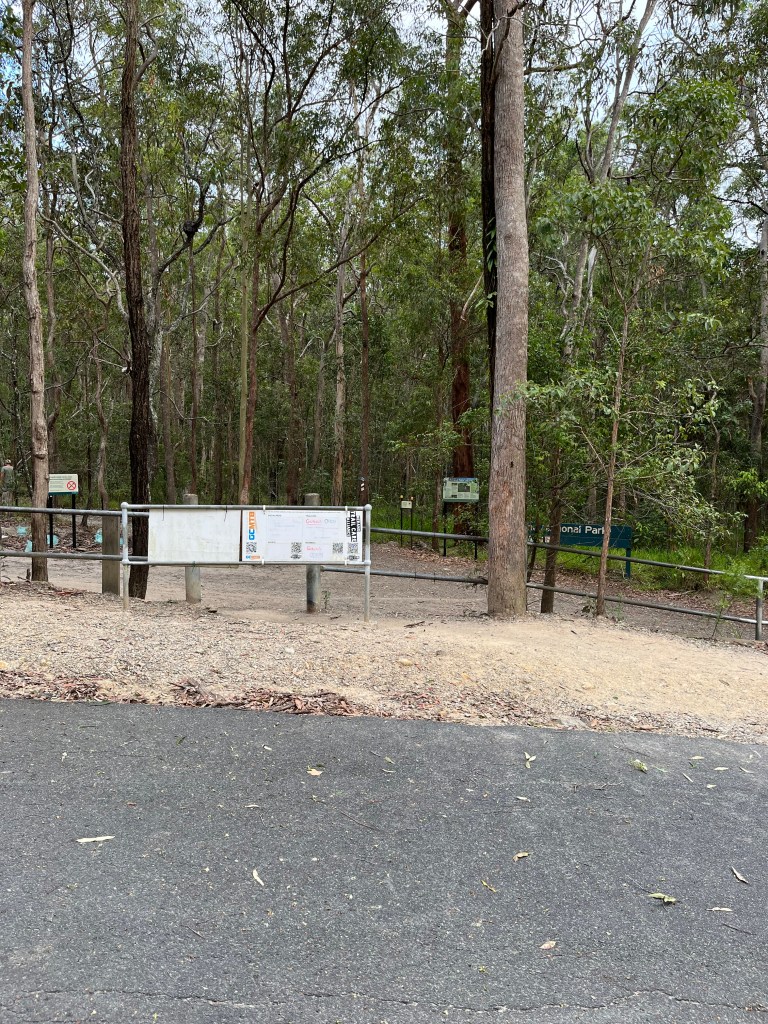
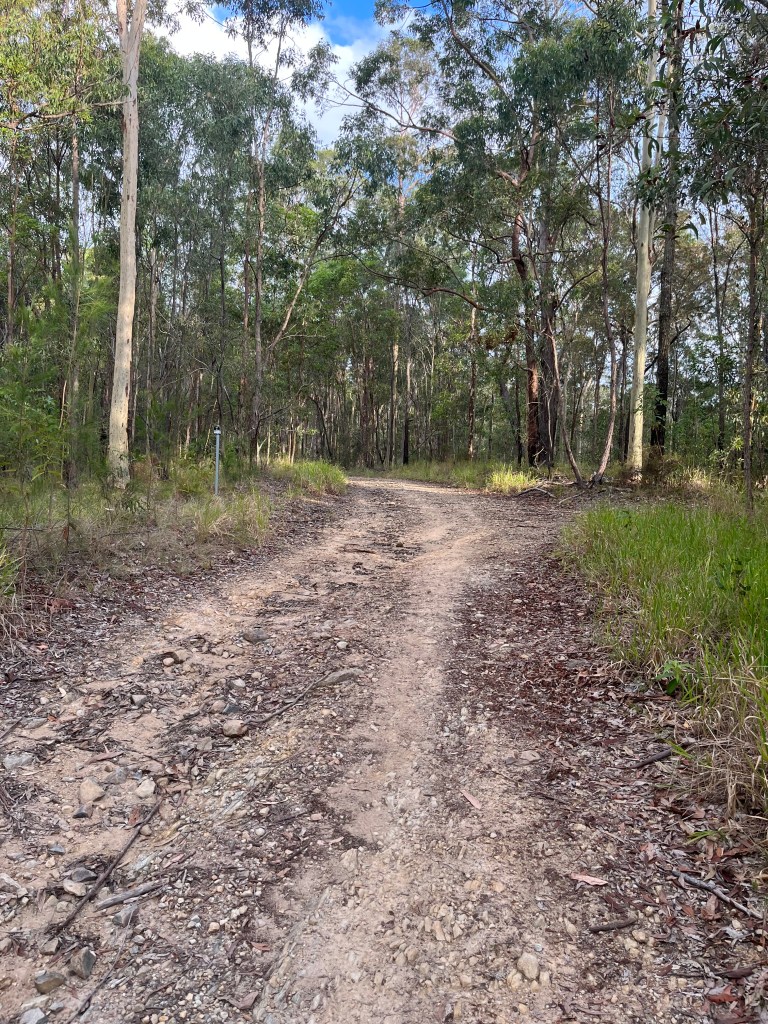
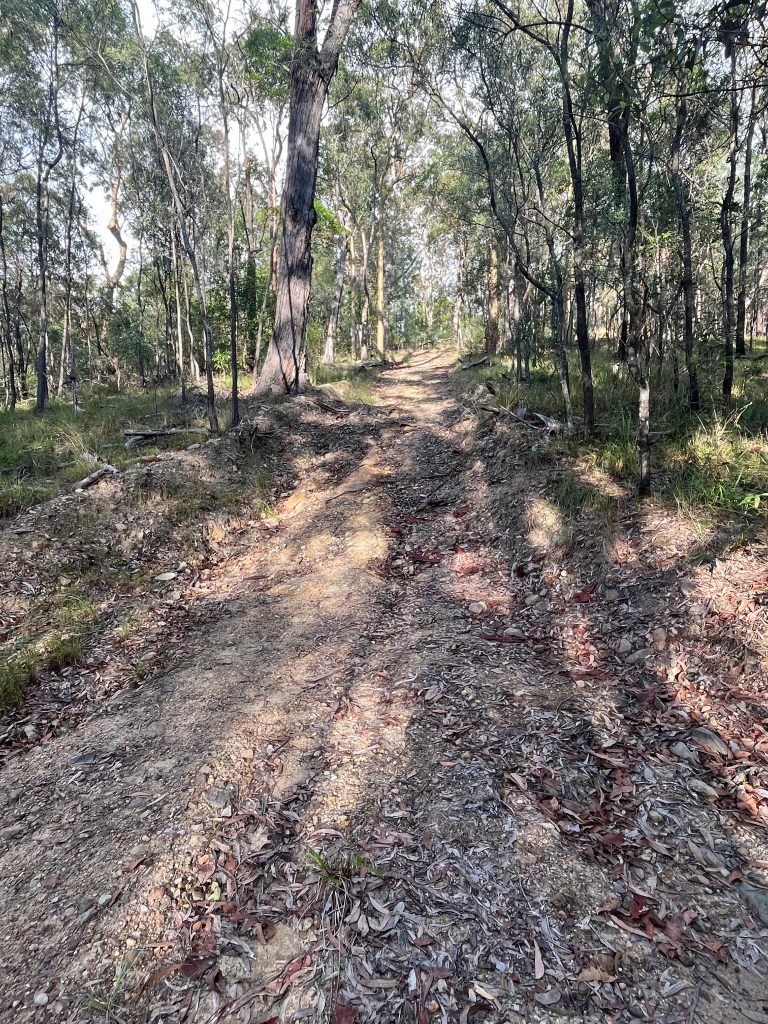
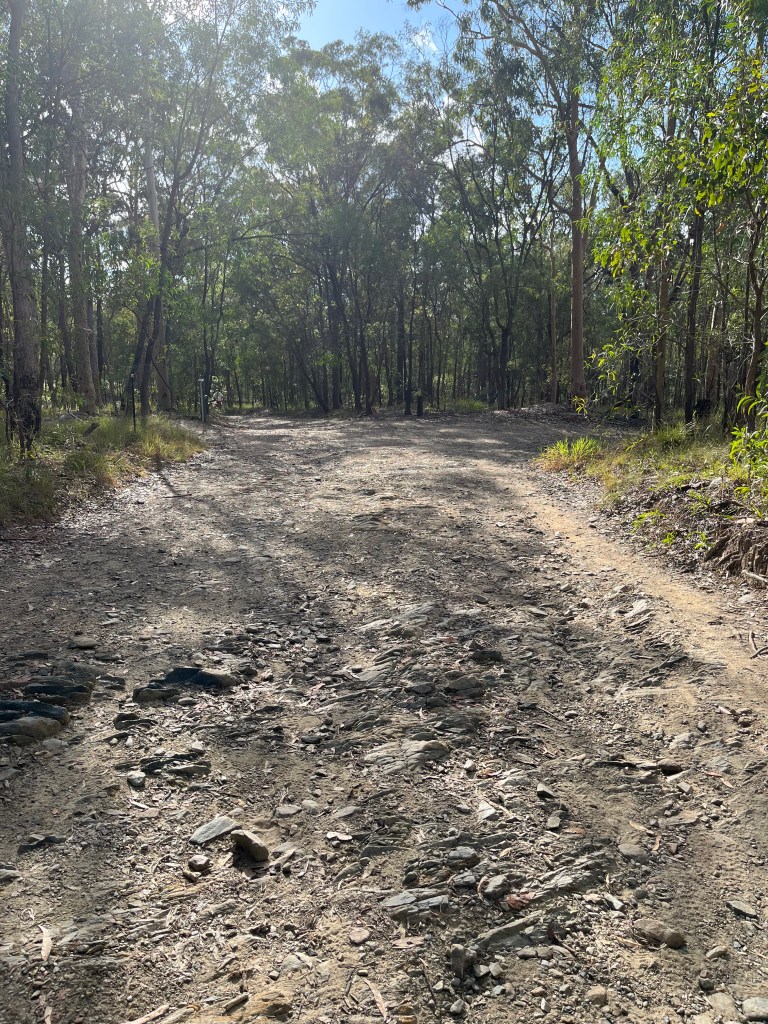
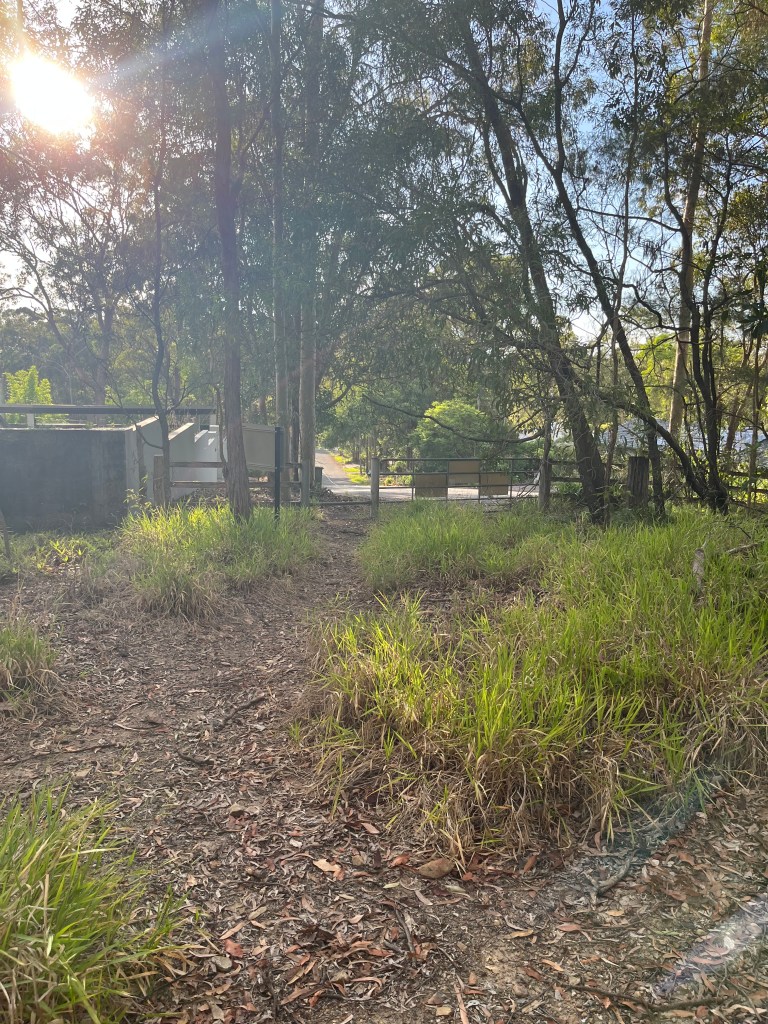
The Nerang National Park is very easily accessible from Hope St, Nerang. Parking is plentiful outside the velodrome, which signals the access point into the park. On the weekend, just follow the stream of hikers and bikers – you can’t miss the entry. If you’re lucky enough to be hiking during the week, here’s a couple of pics of the hiking entrance.

Starting Your Hike

I walked counter clockwise. I find that most hikers naturally turn left, so I turned right…

First thing you’ll notice is the tree cover. Thankfully there is an abundance of high trees in this section of the park, and sun protection is needed hiking in Queensland. I started around 6am – and it was already 26 degrees with relative humidity at 88%. Thank you trees!

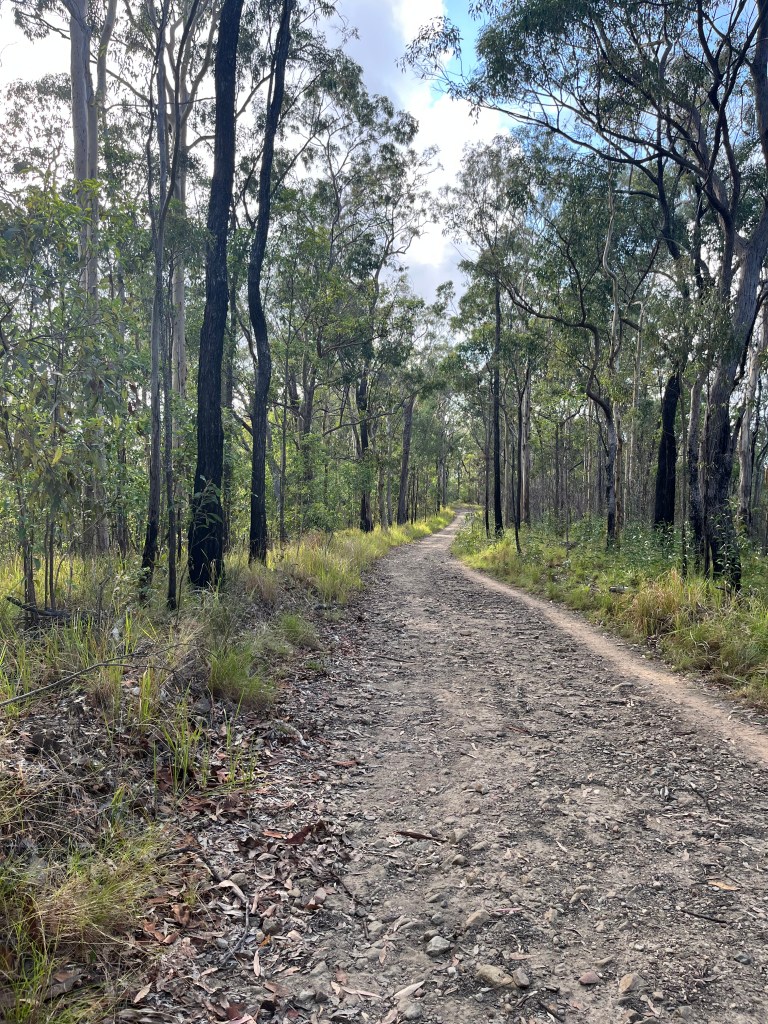
Second thing you’ll notice is the trail is quite rocky. This section of the National Park is perched on shale, so basically compacted silt and clay stone. It can be hard going on the soles of your feet, so hiking footwear would be the best option. My first hike here many moons ago was in sneakers, my feet were sore for about a week afterwards.

Navigating the Section Names

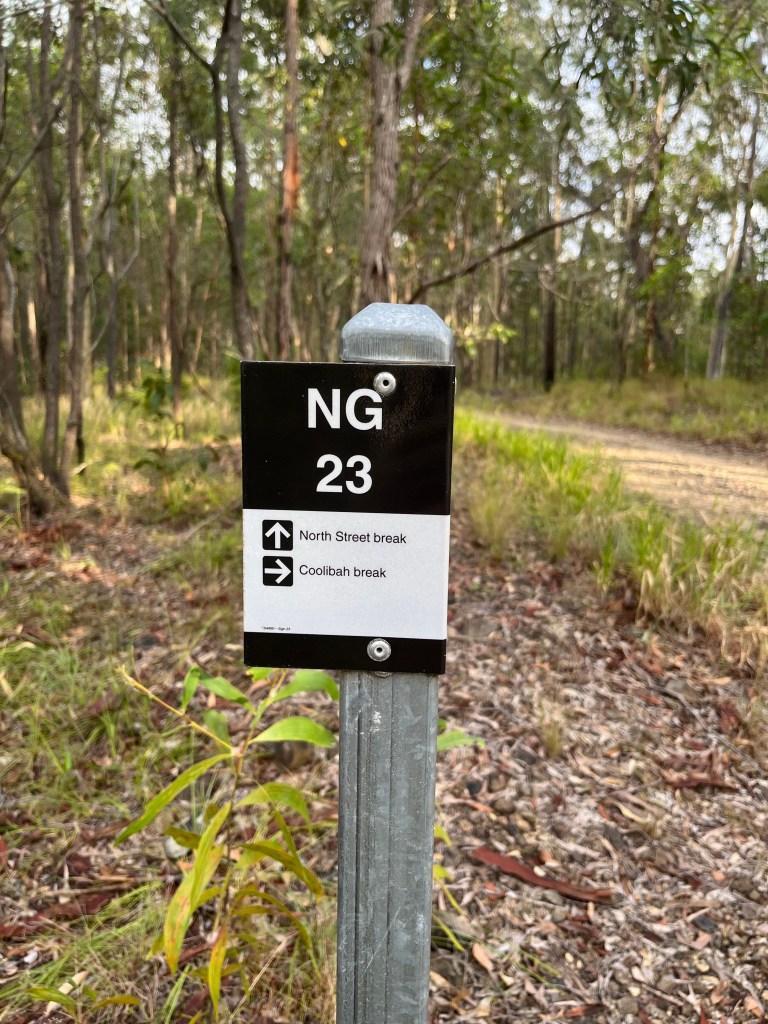
The trails in Nerang National Park have both names and numbers. The numbers are prefixed by NG – and you can see them on the trail map I loaded above. There will be small plates attached to poles as you walk along the trails detailing the NG and the name of the trail.

So, navigation is pretty easy using maps and the trail signs. The other good part about Nerang National Park and this 6km trail is it runs adjacent to the park border, so you’re in line of sight of roads and some houses. For the new hikers (yay – welcome!) I think this provides a bit of security and peace of mind – we won’t take you into the wilds just yet…

You will also see some of the mountain bike tracks which criss-cross the main hiking trails. Here’s an example of the signage you’ll see around the trails.

CAUTION

Don’t walk on the biking tracks. They’re not for hikers, they’re for bikers, and they clock some serious speed! I’ve found the bikers extremely polite and respectful of me when I’m hiking, so I extend the same courtesy. Nerang National Park is an area designed for hiking and biking so let’s play nicely together.

Turn Right and Enjoy Coolibah Break

After a brisk trot up NG22 for about 1.6km, you’ll be making a right hand turn at the NG23 marker. This is the Coolibah Break. Coolibah has four dry creek bed crossings, so prepare yourself for 1.5km of leg pumping and heart thumping! I like this track for two reasons. 1 – you get to explore, which is what hiking is all about and 2 – you get some serious exercise.

CAUTION

Don’t walk the Coolibah Break after heavy rain. Dry creek beds have a habit of filling up quickly, and the creeks can rise to over 2.5m in the blink of an eye. We have a saying in Queensland – if it’s flooded, forget it.

Turn Left and Enjoy Castle Hill

You’ve conquered the ups and downs of Coolibah Break and have arrived, around the 3km mark, at a T junction. This is Castle Hill, or NG25 on the map. Today we are going left and heading back toward the main trail.

You will meet mountain bikers on this section, they’re coming back up the main trail to start their crazy descents. This section of the trail is sandy underfoot , and in the shade so quite a pretty part of the walk. Slow down, enjoy the birds, the cicadas and the vibe.

TIP

I hike with a camel pak for fluids. I find I can’t juggle a water bottle from my pack – it’s on – it’s off – it’s on again – I drop the water bottle in the sand – argh. Remember to hydrate regularly, before you get thirsty. I take plenty of small sips when I’m walking downhill or on the flats. I also add electrolytes if I think I’ll need them on longer hikes.

Back on the Main Track

Congrats, you’ve completed the Coolibah Break! You will notice that the track widens and at NG24, Castle Hill continues to the right. We’re going a little deeper into the park, not much but enough to see some lovely vistas to the north and south. Before we turn for home, we do have one more hill climb, but you’ve got this. Your legs are warmed up, you’re in the groove and you power up the hill.

Castle Hill section, including the hill climb up to NG26!

TIP

I find going down a hill far harder than walking up. I think it has a bit to do with balance, and a bit to do with confidence. Lean slightly forward when hiking down a steep hill. This reduces the risk of jarring and sliding, especially on gravel. So, stick your butt out, tilt forward from the waist and own that descent.

Information Junction and Turn Left

Finally the top. This is NG26, and is home to an information panel, hence my name for it. It’s the only info panel out in the trail areas, so a good place to commit to memory.

TIP

I always take a photo of the information panel when I arrive at a hike start point. Regardless of mobile coverage, I then have a photo which I can blow up and study at my leisure. I also take a print copy of the trail I plan to walk. Call me old fashioned, but if you’re hiking, you need maps!

Information Junction is also the marker for the final 2km of the 48/96 Kokoda Challenge, an endurance event held each July in the Gold Coast hinterland. I’ve done Kokoda 48 twice, so this location is burned in my brain as the “we’re almost home” point.

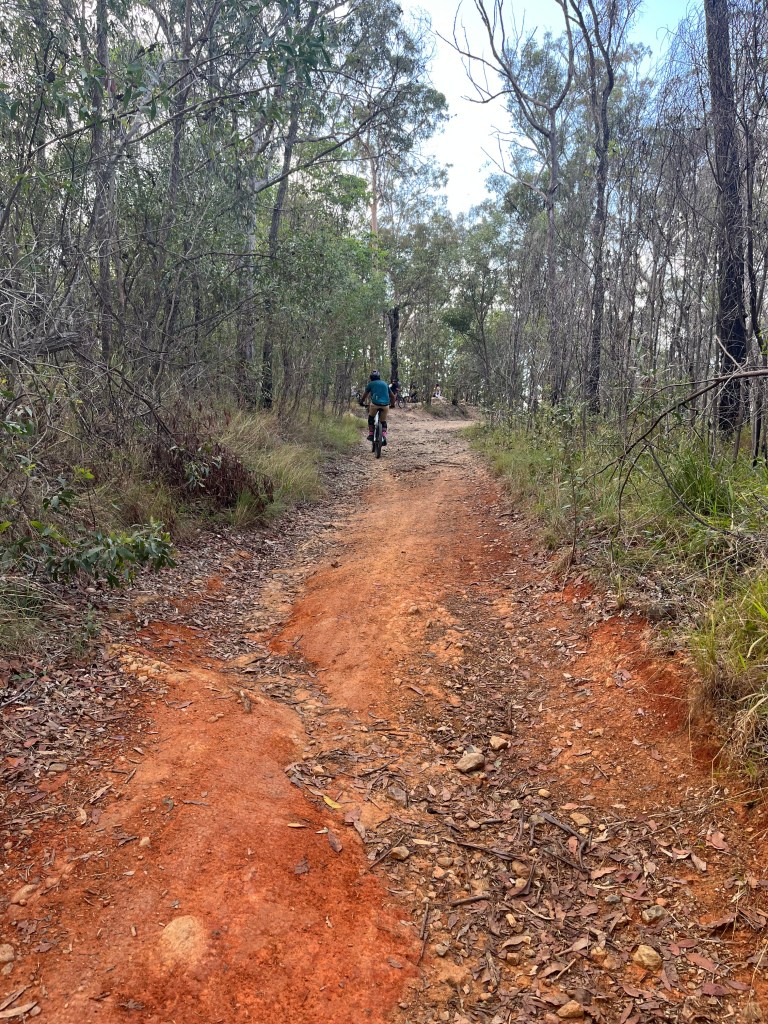
Turn left and we are now on the descent back to the car. You have a strong visual red clay section which goes slightly uphill, then it’s a leisurely 2km back to the parking area. This section is called Centre Road. I’m not the expert but I understand that many of these main tracks are also emergency service access roads. The Gold Coast does have occasional bushfires in the dry periods so access to the forest is critical to manage fires and backburns.

You can see that bikers are going gangbusters to the left of the track. When walking on these larger tracks you’ll be sharing with other hikers and runners, and also bikers as they come back up to throw themselves down another bike track. I usually stick to the bike groove in the track as it’s a smoother descent and more stable underfoot.

CAUTION

Be alert as the bike trails cross the main track and bikers can come out at speed. They are quite noisy so you can hear them coming and 99.8% are incredibly considerate, but if you hike with ear buds, you may be at a disadvantage….and the 0.2% have no mercy….

To Pole or Not To Pole

I was trying out my new Macpac telescopic walking poles when I took these pics. I’ve started hiking prep for Kumano Kodo (future blog – keep an eye out), and I want to take poles but they need to be travel appropriate. I also managed to colour coordinator with my boots – well done me!

I wasn’t a fan of poles when I started hiking. I figured it was hard enough juggling boots, backpack, water, coat, hat, gloves, snacks, lip salve…why complicate life with two more bits of equipment?

I then did the Kokoda Challenge for the first time. Without poles.

I now get it. Walking poles are a great extension of your body. Great for balance, for fatigue management, to haul hiking buddies up that final hill and to bat away the spider webs you walk into. I’ve walked with one and two poles and find that two poles creates a good walking rhythm for me. One pole just felt lopsided.

So, what’s the verdict on the Macpac telescopics? I got them for a great price on clearance so that’s a plus. They are easy to extend and retract. Another plus. I’m undecided on the knobs and grips, so I’ll need a couple more hikes to break them in.

TIP

Shop around for gear if you’re new to hiking or buying for the first time. Decide how many times you’re going to use it, and what your budget is. I don’t quibble over key items like boots and a backpack. I like what I like and need to have the quality gear that works. If you’re buying extra gear to use sometimes, like poles, then be a bit more flexible as the prices can range from $50 to $500 a pole – yikes!

Heading Home

The last kilometre of Centre Road will bring you back alongside a bitumen cycling track and a metal pipe fence. Keep to the large trail, there are a number of smaller tracks, we will explore those another day.

Watch out for bikers completing their downhill run at the exit gate – it’s fun watching them skid to a stop with literally inches to spare!

Pat yourself on the back, you’ve just completed a fantastic 6km hike, enjoyed the outdoors, perhaps tried some new gear for the first time.

Congratulations on embracing the experience, and see you next time out on the trails.

PJ.