Shikoku Series – The Best of Both Worlds, Why We Use Hiking Companies for Self-Guided Hikes

There is a particular kind of freedom that comes with walking from one place to another under your own steam. You carry what you need for the day, follow the trail, stop when something catches your eye and eventually arrive somewhere completely new. Nobody is hurrying you along. Nobody is telling you when to take a break. And if you decide that a scenic lookout, a tiny cafe or a slightly questionable detour deserves your attention, you can change the plan.

This is exactly what I love about self -guided hiking.

But – and it’s quite a big but – multi-day hiking also comes with a sizeable pile of logistics. There are routes to research, accommodation to book, luggage to move, transfers to organise, maps to understand, food to source and contingency plans to consider. Add another country, another language and a trail that wanders through small villages and remote areas, and suddenly the planning can become a bigger expedition than the hike itself.

This is where a hiking company earns its keep.

Supported, But Still Self-Guided

For our Kumano Kodo hike in 2023, we booked through the Australian company RAW Travel. For our upcoming Shikoku adventure, we are using Auswalk.

Both trips give us what I think is the sweet spot of multi-day hiking – the structure and support of an organised trip, with the freedom and independence of walking it ourselves.

We are not joining a tour group or following a guide carrying a little flag. We make our own way each day. We decide when to start, how quickly (or slowly) to walk, where to stop and how long to stay there. We can talk all day, walk in silence, take too many photos, investigate a side trail or stop for snacks and breaks whenever the mood strikes. In other words, we get to create our own fun.

At the same time, somebody with local knowledge has already done the heavy lifting behind the scenes. The itinerary is mapped out, the accommodation is booked, the luggage transfers are arranged, and on-the-ground support is available if something goes wrong.

That combination is a winner.

The Joy of Luggage-Free Hiking

One of the biggest benefits is walking without hauling your entire holiday on your back. Our main luggage is transferred between accommodations, so we only carry what we need for the day (and occasionally an overnight). Water, lunch, essential gear, some safety essentials and whatever else has survived my ongoing campaign to reduce backpack weight!

You are still a hiker. Your legs certainly know they have been hiking. But you are not carrying clothes, a tent, cooking equipment, toiletries and every other possession over every hill and through every forest. For us, luggage-free hiking makes the trip more enjoyable and more sustainable over consecutive days. It means less strain on the body, more energy to appreciate where we are and a considerably better chance that TAB and I will still be on speaking terms at the end of the hike!

The Boring Bits are Already Done

I enjoy planning a hiking holiday. I love researching destinations, looking at maps and imagining what each day will bring. What I enjoy less is trying to piece together multiple overnight options, luggage issues, connections and backup options in places I don’t know. A hiking company takes care of those moving parts. They design daily stages that are broadly achievable, select accommodation that works with you and the route and provide the practical info to get from A to B.

That local knowledge is particularly valuable on trails such as the Kumano Kodo and the Shikoku routes, where walking days can involve rural areas, limited public transport, and accommodation off the beaten track.

It removes a great deal of uncertainty without removing the adventure.

Support off the Beaten Track

Self-guided doesn’t have to mean completely on your own. Knowing there is someone to contact if we are lost, miss a connection, encounter a trail issue or need to change plans provides a reassuring safety net. Hopefully, we won’t need it. But on a long walk in another country, it’s comforting to know that support exists beyond a frantic internet search and Google Translate at 10pm on a Monday night.

This was part of what made our Kumano Kodo experience with RAW Travel feel so manageable. We had the independence we wanted, but we were not starting each day without a plan or backup. We anticipate the same balance with Auswalk for Shikoku.

Are There Drawbacks?

Of course. The biggest is cost.

Booking through a hiking company will usually be more expensive than arranging everything yourself. We are paying for their expertise, route planning, booking administration, luggage transfers, trip information, and on-ground support. If you enjoy detailed planning, speak the local language, and have plenty of time to research and confirm every stage, then you can absolutely organise your hiking trip yourself.

There is also slightly less flexibility before and during the trip. Accommodation is booked in advance, luggage needs to be ready at certain times, and you generally need to finish each day at the booked location. You can’t just wake up and decide to stay another night or completely change direction.

And while luggage transfers are the gift of the gods, they do require a little discipline. One piece and 20kg max means that. One piece and no more than 20kg. You also need to prepare physically, understand the next day’s route, carry the right gear, monitor the weather and make sensible decisions. Supported isn’t the same as chauffeured.

Why it Works For Us

TAB and I both work fulltime. We have limited annual leave and a range of family commitments (husbands, children, fur babies, etc). We have a strong preference for spending our holiday hiking rather than untangling logistics. Using a hiking company gives us confidence before we leave and support while we are away. It means the major pieces are in place, but the experience still belongs to us.

We will still walk every kilometre ourselves. We will still need to read the maps, navigate local transport, manage the hills, cope with the weather and find our way. We will still make the decisions, create the laughs and collect the stories.

We just won’t be dragging a suitcase up a mountain or trying to book tonight’s lodgings online from the side of the trail. For us, supported hiking is the best of both worlds. The freedom to have our own adventure, with just enough organisation in the background to allow us to enjoy it.

And honestly, if someone else is willing to make sure my clean clothes arrive before I do, I’m very happy to call that money well spent.

See you out on the trails

PJ 🙂

Shikoku Series: The Three BIG Gear Changes!

One of the biggest lessons I’ve learned from multi day hiking isn’t about fitness, climbing hills or how many kilometres you can cover in a day.

It’s about your gear.

For our Shikoku hike in October, I’m making three significant changes: my backpack, my boots, and my hiking poles. These are pieces of equipment that will affect every kilometre we walk, so getting them right matters.

My Backpack: Smaller and Lighter

My Macpac 32L backpack did exactly what I needed it to do on Kumano Kodo, but it also gave me plenty of room to carry things I didn’t actually need. And if there’s space in a backpack, I will apparently find something to put in it…

For Shikoku, I’m downsizing to a 20L pack. It’s smaller, lighter and should force me to be far more disciplined about what earns a place inside it. I’m not giving up the features that matter. It still has good back ventilation (which is absolutely not negotiable when you’re hiking for hours) as well as space for a water bladder and tubing, as well as enough room for all the safety and comfort essentials.

It just doesn’t have room for half my house.

The goal isn’t to have the lightest pack on the trail. It’s to have a comfortable, practical pack that carries everything I genuinely need, and nothing I don’t.

My Boots: A Scary and Different Change

My boots are probably the biggest change. Rather than sticking with a traditional hiking boot, I’m moving towards a lighter trail-hiking style while still keeping the ankle support of a boot. They have much more cushioning through the sole (handy when you have Morton’s Neuroma symptoms in one foot) and, importantly, more room in the toe box.

That extra space becomes incredibly valuable after hours on the trail. Feet swell, toes move forward on descents, and even a small pressure point can become a big problem after several days of walking.

Changing boots is very nerve-racking. My old boots are trusted friends. I know how they behave in the wet, where they might rub and how they feel after 8 hours on your feet. A new pair has to earn that same trust, so there’s absolutely no chance I’m waiting until a mountain trail in rural Japan to find out whether these ones are right.

My Poles: Smaller Can be Better

My new hiking poles aren’t necessarily much lighter than my current pair, but they pack down to a much smaller size. That might seem like a minor change, but when you’re travelling internationally and trying to keep your luggage compact, it makes a real difference.

They still need to provide the strength and stability I rely on, particularly on steep climbs, rocky descents and slippery trails, but they’ll be much easier to transport and store when they’re not in use.

Years ago, I thought hiking poles were for people much older than me. It turns out, those people were just smarter than me.

These days, I don’t hike without them.

Testing, Testing and More Testing

None of this gear gets an automatic ticket to Shikoku. The backpack, boots and poles will all be tested repeatedly during our training hikes before October. Not just one comfortable walk either. They need to prove themselves over longer distances, on hills, across different terrain and during back to back sessions.

I need to know:

  • whether the backpack remains comfortable after hours of walking;
  • whether 20L genuinely provides enough room;
  • how the boots feel once my feet are tired and swollen;
  • whether the cushioning holds up over longer hikes;
  • whether the toe box provides enough space on descents; and
  • whether the poles are easy to assemble, adjust, use and pack away.

Training hikes aren’t only about training my body. They’re where I test the entire system.

Because “brand new” doesn’t necessarily mean “better”, and Shikoku isn’t the place to discover that something doesn’t work.

Three changes. Plenty of testing. And hopefully, a lighter, more comfortable and much smarter setup for every step through Shikoku.

See you out on the trails.

PJ 🙂

Why We Chose Shikoku – Our Next Japanese Adventure

“You’re going back to Japan….AGAIN??” We’ve heard it more than once since booking our next hiking adventure. The answer is simple. Yes. Happily. And if someone offered us free business flights tomorrow, we’d probably already be packing.

Because sometimes you don’t go back to a place because you’ve run out of new destinations. You go back because it gave you something you can’t quite find anywhere else.

It All Started with the Kumano Kodo

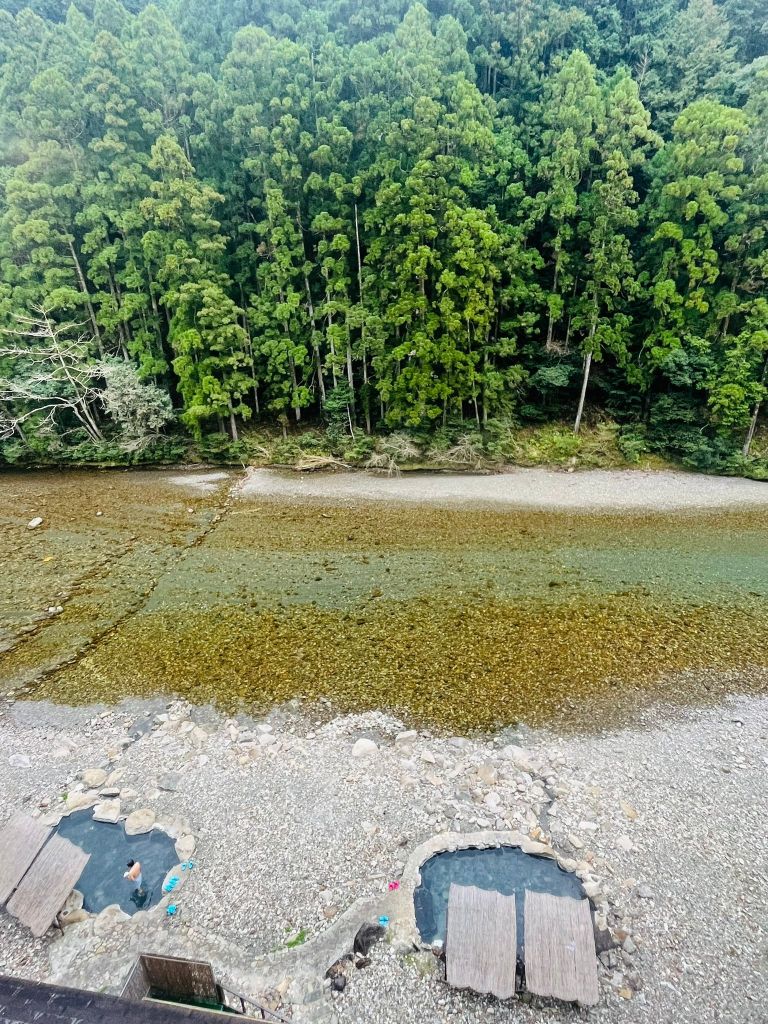
Back in 2023, TB and I spent nine incredible days walking sections of the Kumano Kodo on a self-guided hike. To say it exceeded our expectations would be an understatement. The ancient forests, tiny mountain villages, peaceful shrines, steaming onsens, incredible food and the genuine kindness of our hosts combined to create one of the most memorable travel experiences either of us has ever had.

It wasn’t just a holiday, it genuinely changed the way I looked at hiking.

I’d always enjoyed getting outdoors, but Kumano Kodo showed me that walking wasn’t simply about getting from A to B, it was about slowing down, noticing things, embracing discomfort, connecting with history and finding joy in the simple rhythm of putting one foot in front of the other.

By the time we flew home, we knew one thing for certain. We’d be back.

The Search Began…

Finding our next adventure wasn’t as simple as booking another Kumano Kodo trip. We wanted something new. Naturally, we started researching.

The Nakasendo Way

Nakasendo was probably our first serious contender. It links Tokyo and Kyoto through historic post towns, beautiful villages and centuries of history. It looked spectacular. But the more we researched, the more we realised it wasn’t quite the experience we were chasing. Many sections pass through open farmland and sweeping plains. Beautiful? Absolutely. But after experiencing the dense cedar forests, misty mountain paths and secluded villages of Kumano Kodo, we realised we were craving another immersive forest experience.

We wanted towering trees, we wanted moss-covered trails (not the stones tho -they were slippery suckers!). We wanted to finish the day soaking in an onsen after disappearing into the mountains.

Nakasendo is firmly on our list, but not this time.

Michinoku Coastal Trail

Next came the Michinoku Coastal Trail. Again, it looked incredible. Rugged coastlines, fishing villages, and dramatic ocean views. But then we both laughed. We live on the Gold Coast in Queensland, Australia. As stunning as the Japanese coastline is, we realised that if we were travelling overseas to hike, we wanted something completely different from what we see every day. The coast wasn’t calling us, the mountains were.

Nikko National Park

Nikko was another possibility. Beautiful forests, World Heritage temples, mountain scenery. It ticked a lot of boxes. The only problem? It’s really a two to three-day hiking experience. For us, travelling internationally is a significant investment, so we wanted something we could immerse ourselves in for longer. If we were making the trip to Japan again, we wanted a proper multi-day adventure.

Then We Discovered Shikoku

And suddenly everything clicked.

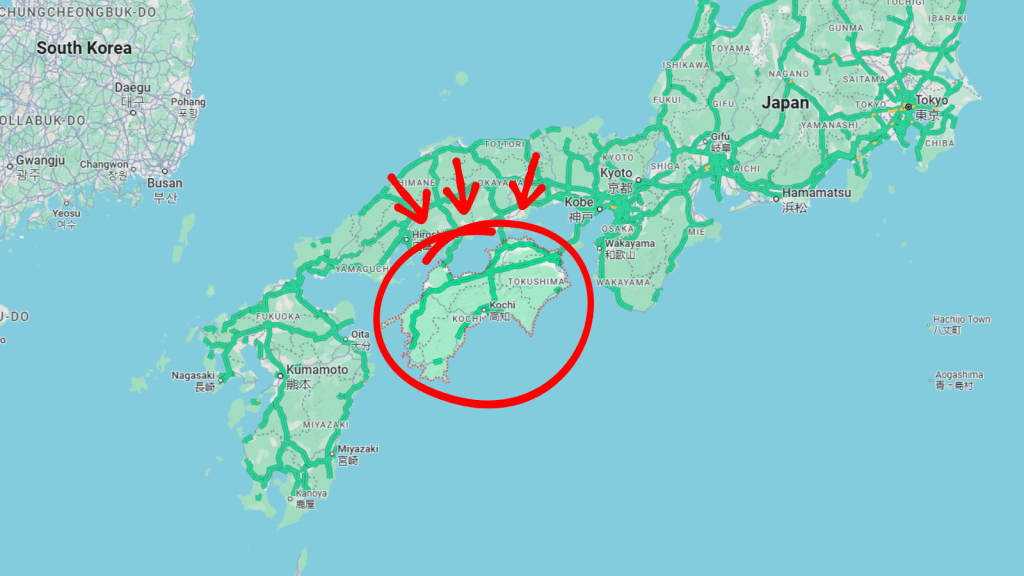
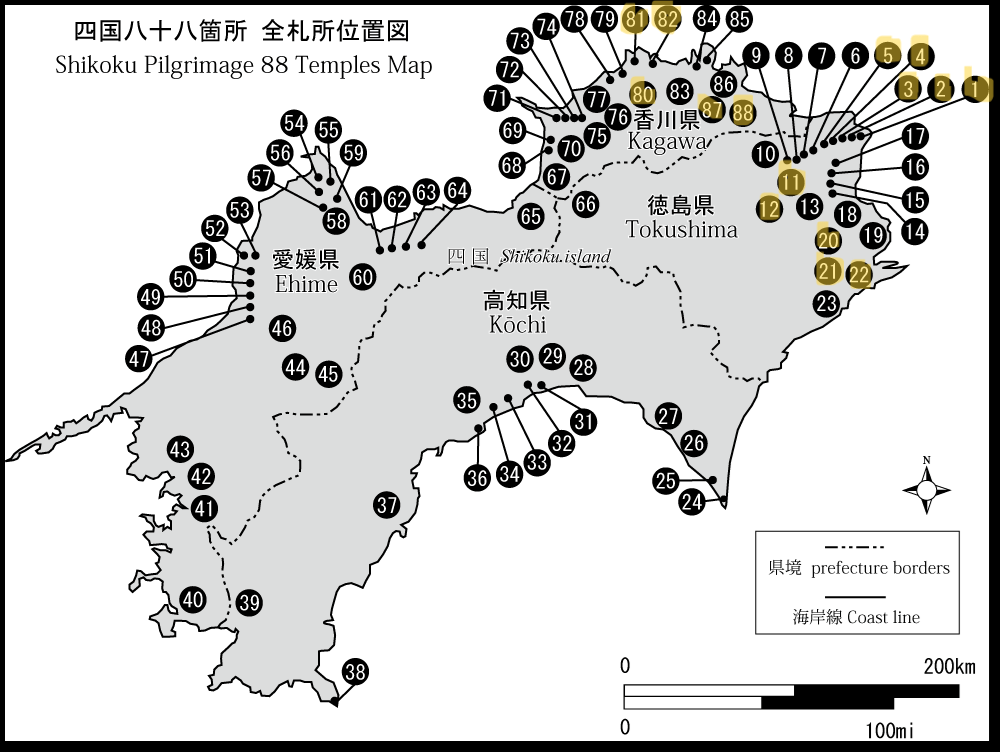
Shikoku is famous for its 88 Temple Pilgrimage, a remarkable circular route of around 1,200km connecting 88 Buddhist temples across the island. Pilgrims have been walking it for over 1,000 years. Some complete the entire circuit in 6-8 weeks. Some travel by bike. Some by bus. Some over multiple years. And many, like us, simply choose a section or three.

And that’s what appealed to us – we didn’t have to commit to the entire pilgrimage to experience its magic. The trail naturally lends itself to shorter adventures, allowing walkers to select sections that suit their time, fitness and interests while still experiencing the culture and spirit of the pilgrimage.

For TB and me, that flexibility made Shikoku the perfect choice.

Why Japan Again?

People often ask why we didn’t choose somewhere completely different – the Cotswold Way, Camino…or Canada??

The answer is simple. Because we both loved Japan. The hiking is exceptional. The food is amazing. The history is fascinating, and the culture is welcoming, respectful and endlessly interesting.

There’s something incredibly comforting about finishing a long day on the trail with a hot meal, a soak in an onsen and a quiet evening at a traditional ryokan. Japan also makes sense practically. From Australia, it’s a relatively easy international trip of around 10 hours, with minimal time zone changes, so we can enjoy an incredible hiking holiday without taking long blocks of leave or being jetlagged for a week. With around 10 days available, it strikes the perfect balance between adventure and reality.

And guess what? We have other adventures in England, Spain and the Dolomites lined up for future visits!

Our Shikoku Adventure Awaits

So, in a few short months, TB and I will spend 9 days walking selected sections of the Shikoku Pilgrimage. There’ll be forests, mountain climbs, temple visits, tiny villages, and probably some sore legs. Hopefully plenty of onsens. Almost certainly far too much delicious Japanese food.

Most importantly, we’re looking forward to slowing down again. Because that’s what hiking in Japan seems to do so well. It reminds you that sometimes the best journeys aren’t about seeing as much as possible, they’re about seeing a little more deeply.

And honestly, we can’t wait to see where the Shikoku trail takes us.

PJ 🙂

Building a Multi-Day Hike Training Plan That Fits Real Life

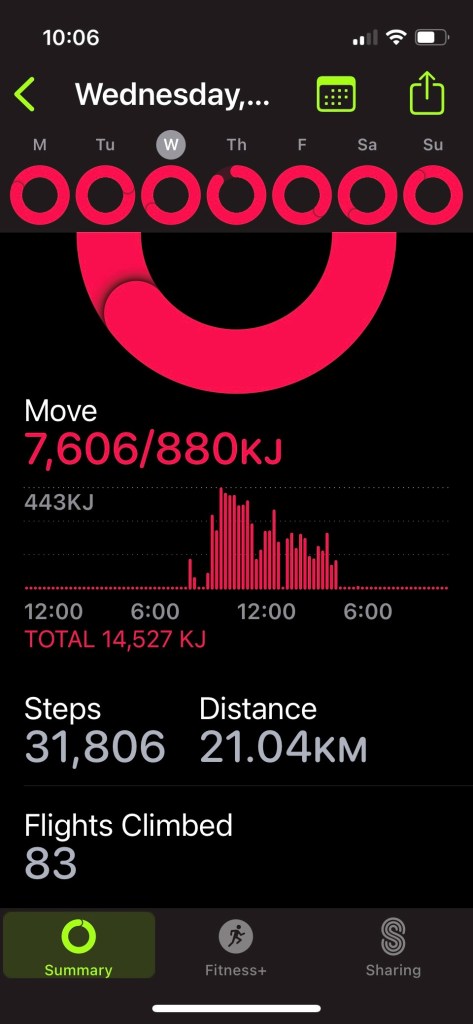
When people hear that TB and I are hiking around Shikoku in Japan this October, the first question is usually “how are you training for that?” The answer surprises them a little.

I’m not spending every weekend climbing mountains or running marathons. Instead, I’ve built a routine that fits around work, family, the doggos and life in general. Because I’ve learned that the best training plan isn’t the most impressive one, it’s the one you will actually stick to.

Shikoku 2026 is a multi-day hike, which means success isn’t about smashing out one huge day. It’s about being able to get up the next morning…and do it all again. Day after day. So, my focus has been on building endurance, strength and consistency.

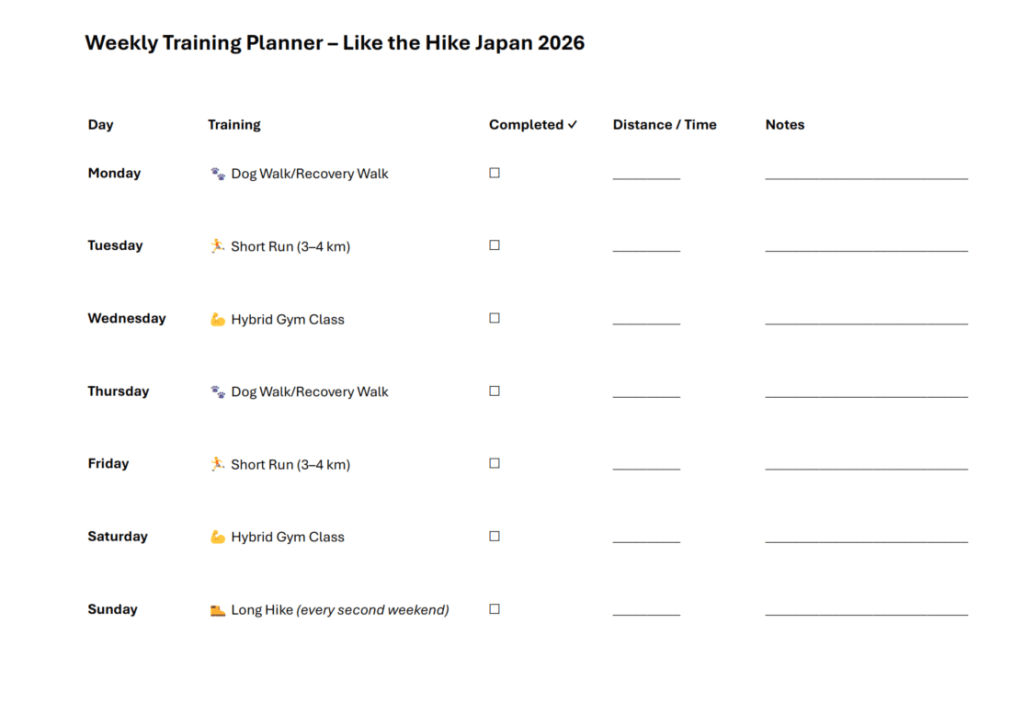
The Weekly Plan

My training isn’t complicated, but every session has a purpose.

1. Short Runs (3-4km)

A couple of shorter runs each week help build cardio fitness without taking up hours of my day. They’re long enough to get the heart rate up and keep the legs moving, but short enough to fit in before or after work. They’re also great for maintaining a base level of fitness between the bigger sessions.

Just to be clear, my ‘run’ pace is barely past a really fast walk pace, please don’t think I’m trying to beat a Gout Gout record!!

2. Hybrid Gym Classes

I belong to a local gym that offers a range of group classes, with slightly scary names like CC45, Body Pump, Core Fusion, WOW, and Team HIIT. What they all have in common is 45 minutes of strength training combined with cardio. For hiking, strong legs are important, but so are your core, back, shoulders and balance. Carrying a pack for multiple days (even if it’s only 5kg) places demands on your whole body, not just your feet and legs.

3. Long Hikes Every Second Weekend

Every second weekend is reserved for the most important session, a long hike of 10 km or more.

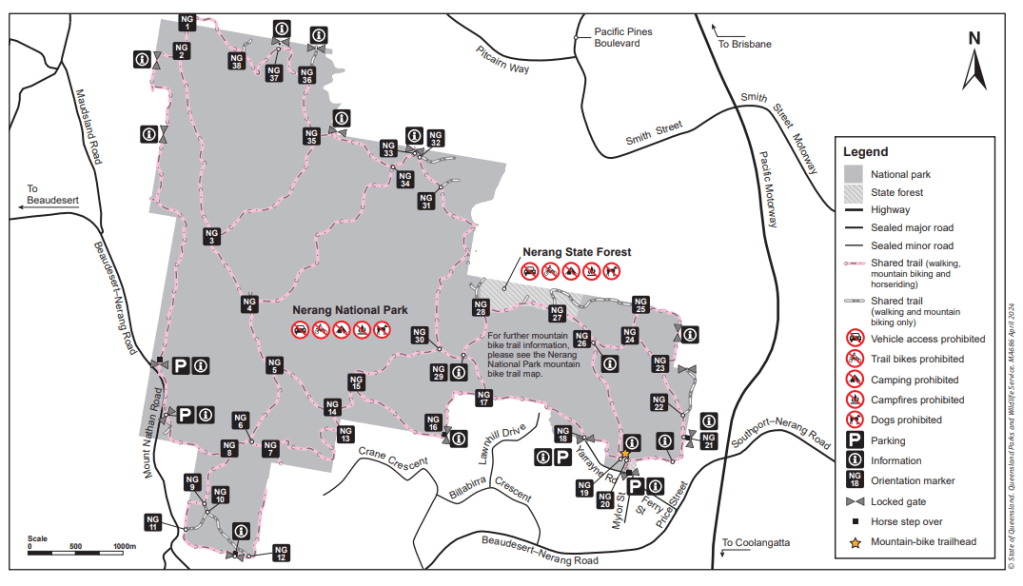
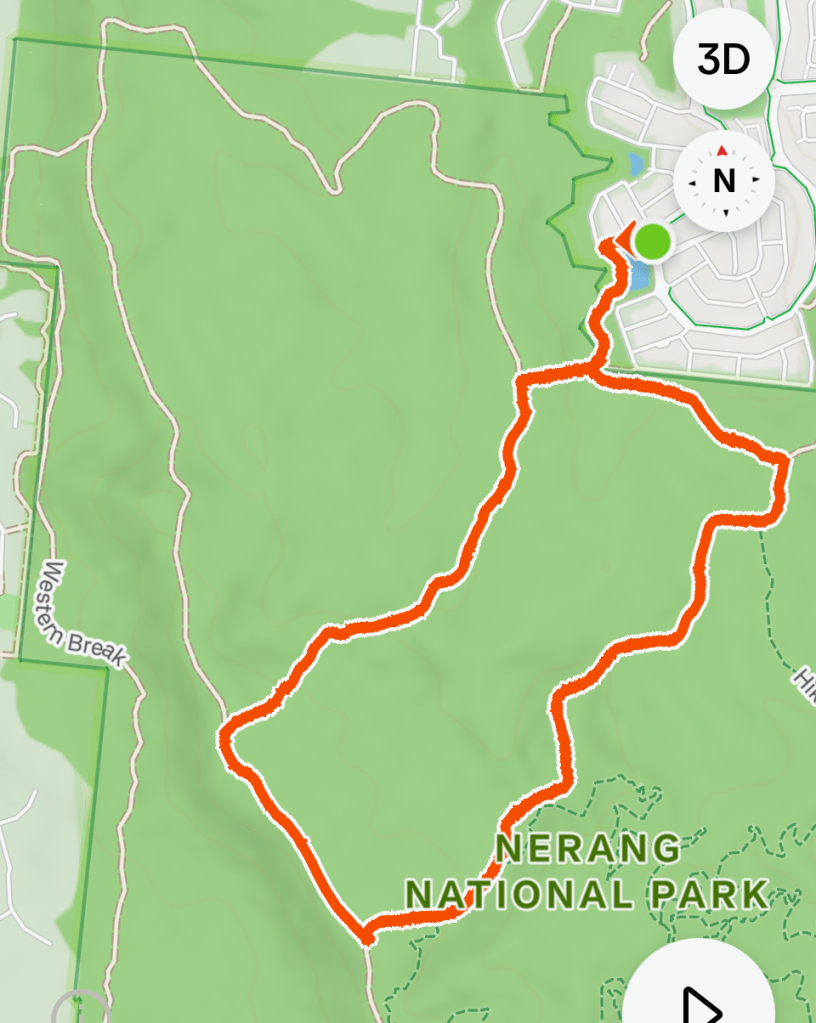
These hikes aren’t about speed. They’re about spending time on our feet (yep, TB is along, too!), learning what works, testing gear, wearing the backpack, experimenting with nutrition, and getting comfortable with being uncomfortable. We are mostly training in Nerang National Park for two reasons. 1) It’s close, so it works into a busy weekend, and 2) you’re either climbing up a hill or scrambling down one, so excellent conditioning.

It’s easy to find a 10+km section and get the distance done before lunch. Last weekend was a cheeky wee 8km intro hike, doing one of the loops in the NW corner.

4. Walking the Dogs

The final piece of the puzzle is probably the easiest and most enjoyable.

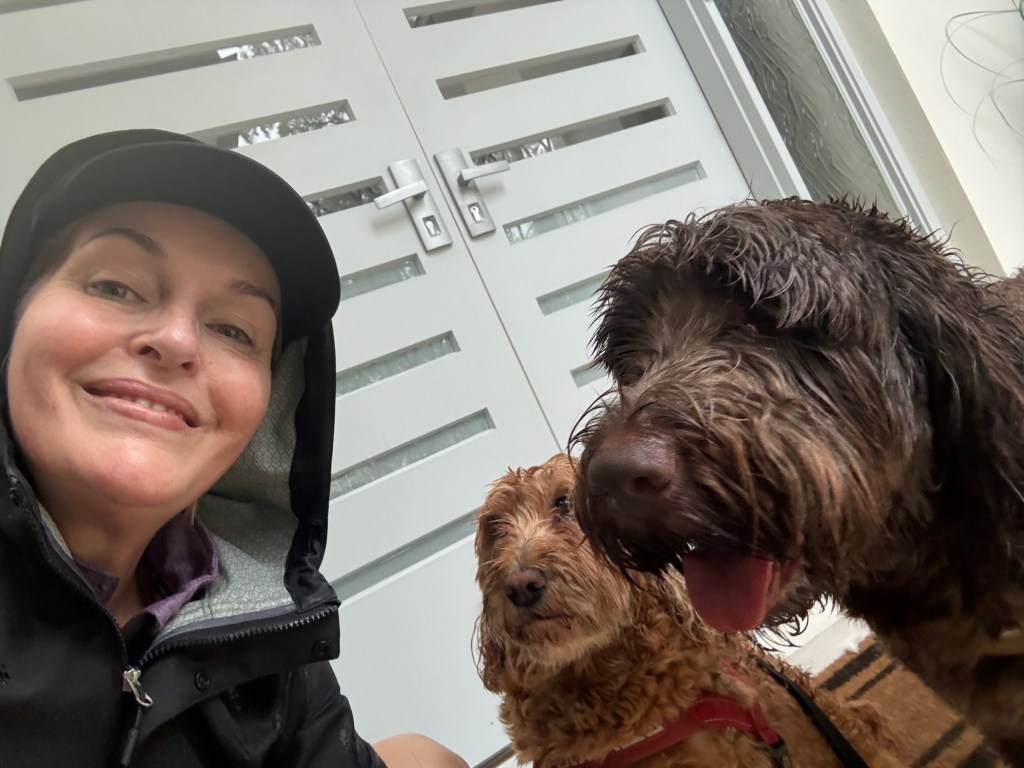
Regular walks with Moby and Maisie add extra kilometres without feeling like training. They keep me moving on recovery days, help loosen up tired legs and make sure I’m consistently active throughout the week.

Plus, the doggos seem to think every walk is an adventure, which is a pretty good attitude to have 🙂 (well, not so much Maisie on that rainy morning!)

It’s Not About Being Perfect

There’ll be weeks when work gets busy. There’ll be days when I miss a run, miss a gym class or swap things around. And that’s OK.

I’ve deliberately built flexibility into the plan because missing one session won’t derail weeks and weeks of preparation. What matters is getting back into the routine the next day.

Consistency beats perfection every single time.

Training for the Journey

The Shikoku pilgrimage isn’t just a physical challenge for TB and me. It’s also about slowing down. embracing simplicity, spending time with my sister and enjoying the journey. In many ways, the training reflects that.

The most fabulous training plan in the world won’t guarantee success on the trail. But turning up consistently, week after week, will give us the best chance of enjoying every step of our Shikoku adventure. And that’s exactly what this journey is all about.

See you out on the trails!

PJ 🙂

Our Next Adventure Begins!

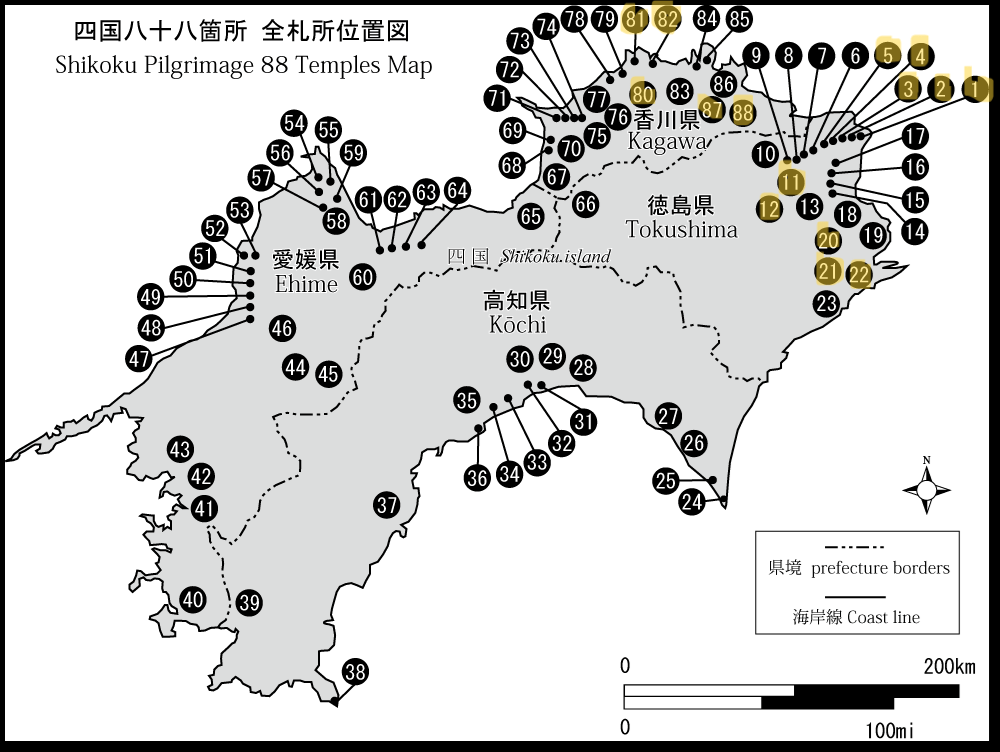
Well, we’ve done it. My sister TB and I have officially booked our next hiking adventure. In October 2026, we’ll be heading to Japan to walk sections of the famous Shikoku Pilgrimage, an incredible trail that winds its way around Shikoku Island, connecting 88 temples through mountains, forests, coastal villages and bustling towns. It’s a journey steeped in history, culture and spirituality, and one that’s been on our radar for some time.

We’re hiking the yellow coloured sections!

Now that the flights are booked and the countdown has begun, it feels real. And that’s where this new blog series comes in.

Why “Like the Hike”?

Over the coming months, I want to share the lead-up to our adventure, not because I’m an expert hiker, but because I’m not. I’m just an ordinary person with a fulltime job, a husband, two slightly spoiled dogs, a calendar that always seems fuller than I’d like, and a goal that’s just audacious enough to be exciting.

I don’t spend every weekend climbing mountains.

I don’t own every piece of the latest hiking gear.

I don’t have unlimited time to train.

Like most people, I have to fit adventure around real life. And maybe that’s why I love to write this blog.

Come Along for the Journey

This won’t be a polished travel guide or a “how to” from someone who’s conquered every famous trail. Instead, it will be an honest look at preparation, planning, training, gear decisions, the inevitable overthinking about what to pack, and, hopefully, a few laughs along the way.

I’ll be sharing things like why we chose Shikoku, how I’m training around work and everyday life, the gear I’m upgrading, and the gear that’s staying home, how we’re planning to travel carry on only (!), food, accommodation, and budget, the mistakes we’ll probably make even before leaving home and eventually, what it actually feels like to walk the trail itself.

If you’re planning your own adventure, I hope some of it helps. If you’re simply curious, I hope you enjoy coming along for the ride.

And if you’ve ever looked at a hiking trail and thought, “I’d love to do that one day”, maybe this series will show you that you don’t have to be an extraordinary trail athlete to enjoy an extraordinary adventure.

You just have to take the first step.

So…welcome!

We’ve got 11 weeks until we depart (eeeek!). Lots to prepare, lots to learn and a long walk waiting for us in Japan. The next blog will break down our training plan to make sure we are trail fit, along with stress-testing our gear (and our bodies!).

Until then, see you out on the trails.

PJ.